How Do You Care For and Store Headphones So They Last? Moisture, Cable Coiling and Eartip Replacement (with KEYSION 30A and Storage Cases)
The short answer
This is for anyone who owns IEMs or over-ear headphones and has started to notice a muffled tone, or a channel that cuts out now and then. Headphones rarely fail all at once. Three small things do the damage: moisture sitting inside the housing, a cable that keeps bending at the same spot, and eartips that have gone hard from skin oil. Control those three and the same pair usually lasts a few years longer.
Why do eartips go dull over time?
Silicone and memory foam both soak up sebum and sweat. Silicone looks clean, but a thin oil film builds up on the inside wall; the seal loosens, bass leaks away, and you hear it as lost low end. Memory foam is worse: rebound slows down, the tip stops reaching deep into the canal, and isolation drops with it. Once foam has gone firm, washing will not bring it back. Replace it.
| Part | Typical replacement window | What this means for you |
|---|---|---|
| Silicone eartips | 3-6 months | Daily commuting puts you at 3 months; light use can stretch to 6 |
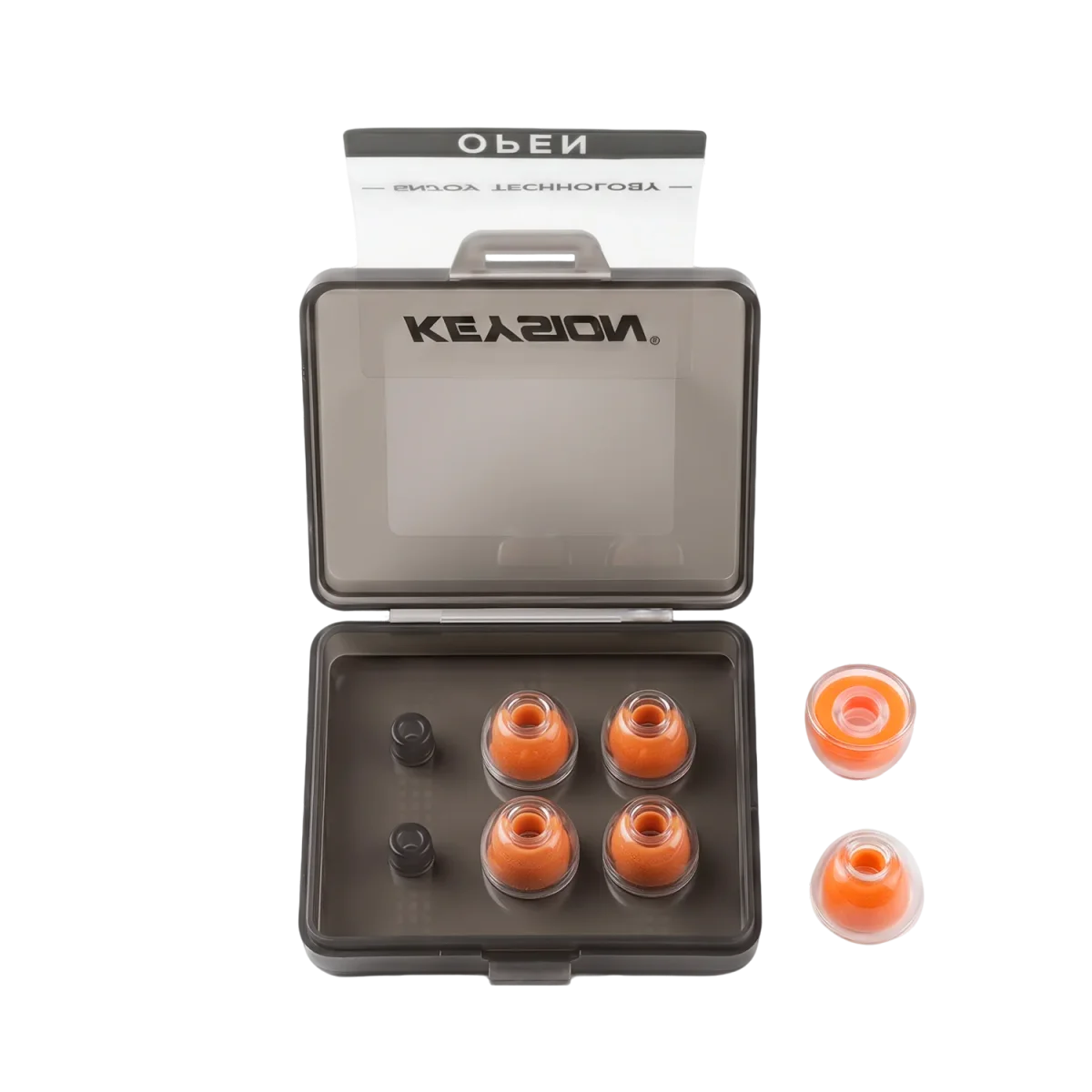
| Memory foam tips (e.g. KEYSION 30A) | 1-3 months | Foam holds oil for good; replace once it feels hard or rebounds slowly |
| Ear pads (protein leather or velour) | 1-2 years | Waiting for the surface to flake means the seal and tuning already changed |
| Upgrade cable | When dropouts appear | One channel cutting out, or crackle when you turn the plug, points at the cable first |
Those ranges come from published advice by several repair shops and accessory makers, and they disagree with each other; some put memory foam at 3-6 months. A physical check beats a calendar. Squeeze the tip and watch how fast it springs back, then hold it to a light and inspect the inner wall.
If your tips no longer seal, read how fit and seal change the sound and how to choose an eartip material before buying another set.
Moisture does more harm than dust
Your ear canal is damp, and the housing usually holds a film of vapour when you pull the earbuds out. Dropping them straight into a case traps that vapour, and over a few months the metal mesh and solder joints start to oxidise. Sweaty workouts and rainy commutes are the worst cases.
The routine is unglamorous. Let them sit in open air for ten to fifteen minutes, or wipe the nozzle with a dry cloth, then put them away. Keep a small silica gel packet in the case and swap it once a month. Skip the hairdryer; heat ages cable jackets and adhesives. And do not drop damp earbuds back into a charging case.
Cables break where you keep bending them
Most upgrade-cable failures sit at the plug barrel or near the Y-splitter, and both already carry stress. Wrapping the cable around your player, coiling it into a tight loop, or cinching it with a thin rubber band makes one short section flex over and over.
Do three things: coil loose, do not cinch, and keep the first few centimetres out of the bending. Hold your palm open, form loops roughly 10-12 cm across, leave the section beside the plug straight, and fix the bundle with a soft hook-and-loop strap. When you unplug, grip the metal barrel instead of pulling on the wire.
How should you wash eartips?
Take the tips off, rinse them in lukewarm water with a drop of mild soap, work the inside with your fingertips, and rinse until the water runs clear. Lay them on a paper towel to air-dry for four to six hours; foam takes longer. Alcohol and strong detergents shorten the life of silicone and foam alike, so keep them out of the weekly routine. A tip that still smells stale after washing, or foam that stays compressed, is finished. The 30A memory foam tips run on the same schedule.
Magnetic case or plain pouch?
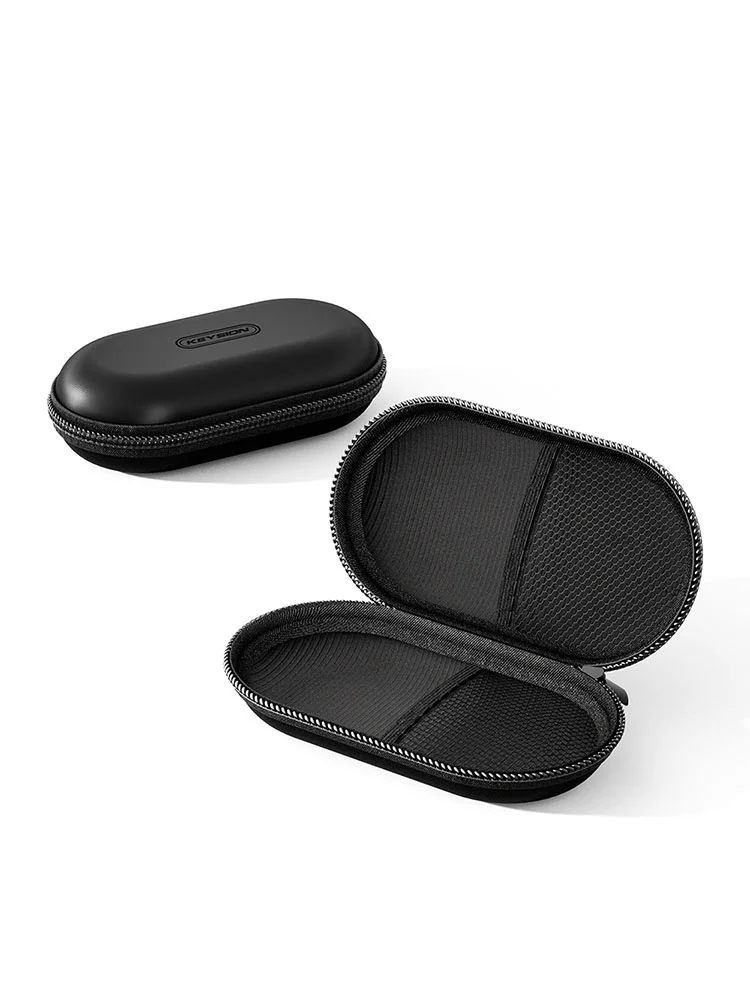
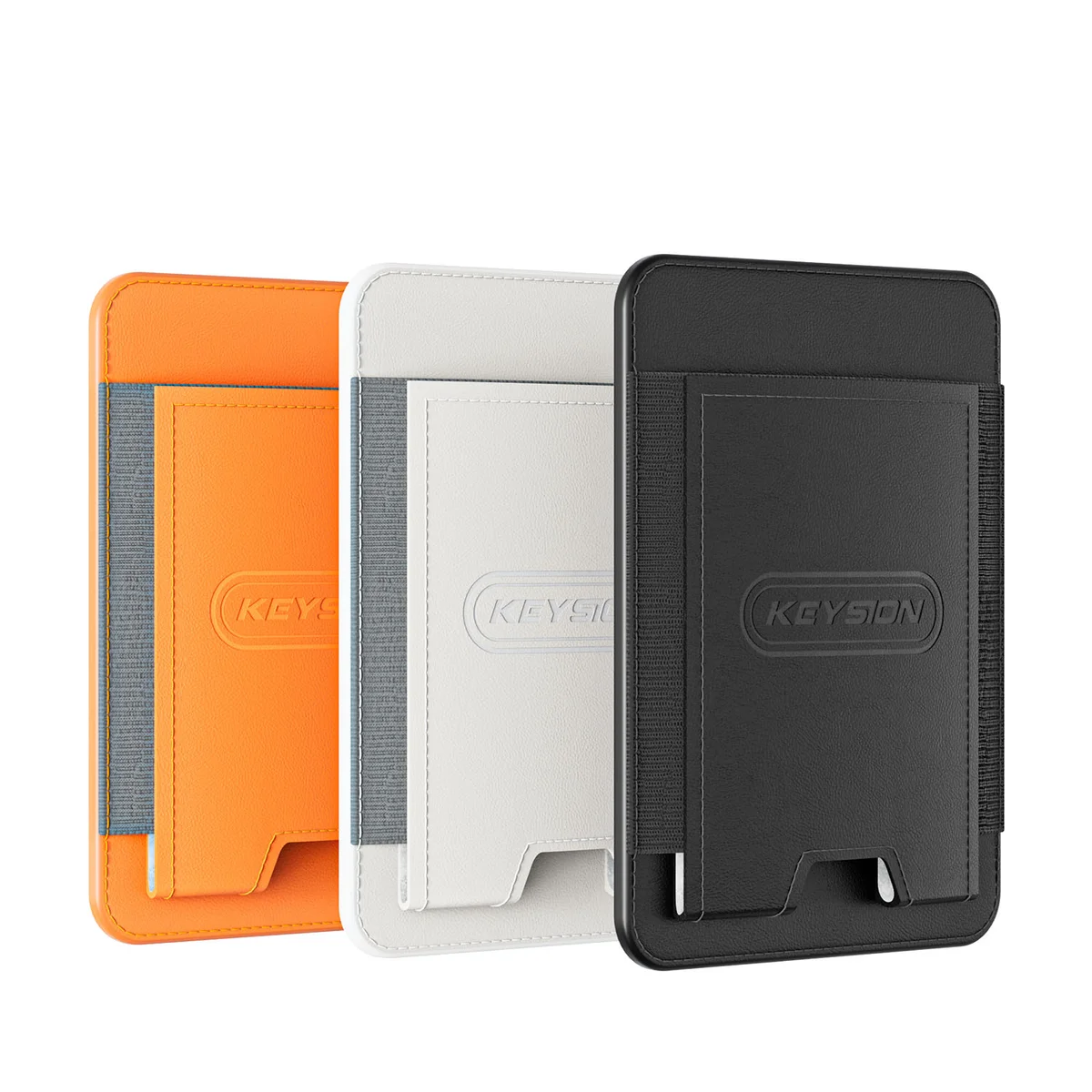
KEYSION sells two matching cases. The KS-Bag01 is PU leather with magnets, so it sticks to the back of a phone; at CNY 39 (USD 6) it suits commuting with a dongle DAC or a spare pair riding along with your handset. The KS-Bag02 is a plain PU leather pouch at CNY 16 (USD 2), thinner and easier to drop into a bag. Neither is waterproof, so dry the earbuds first on a wet day, and never store them damp.
Where you can relax
Listen two or three times a week at home and you can stretch the schedule: silicone tips at six months, foam at three, with nothing bad happening. Live somewhere humid or train daily, and halving those numbers costs less than replacing a pair of earphones. This applies to IEMs and over-ear models, and to dongle DACs and cables as well. What care cannot fix is a driver that rattles, or a channel that stays quieter than the other; that is a hardware fault, so use the warranty.
About the author
Written by the KEYSION editorial team. The replacement windows above come from published maintenance guidance by headphone accessory makers and manufacturers, including ACS Custom and Sony support documents, and they were checked against real-world use of the KEYSION 30A memory foam tips and the KS-Bag01/KS-Bag02 cases. Treat the numbers as ranges and let the condition of your own pair decide.
Sources: ACS Custom guidance on storing and drying IEMs, Sony wired headphone maintenance tips.
FAQ
How often should I replace silicone eartips?
Daily use puts you at about three months; a few sessions a week can stretch to six. Judge by feel rather than the calendar, since hard tips, odour after washing, or a worse seal all mean replace now.
Can memory foam eartips be washed?
Yes, in lukewarm water with a drop of mild soap, squeezed gently and air-dried. Repeated washing speeds up the loss of rebound, so retire a tip once it stays compressed. Alcohol and strong cleaners are not worth using.
Can a broken headphone cable be repaired?
A break at the plug barrel or the splitter usually means a new cable, because a re-solder often fails again. If the plug crackles when you rotate it, or one channel drops out, try another cable first to rule out the socket on your player.
Where should I keep headphones when I am not using them?
Somewhere dry, dark and low on dust, with a silica gel packet in the case changed monthly. Avoid the bathroom, direct sun and radiators, and let sweaty earbuds air for ten minutes before they go back in.
What should I do if moisture got in during rain or a workout?
Air them in a ventilated spot for ten to fifteen minutes, wipe the nozzle with a dry cloth, then store them. Do not use a hairdryer, and do not put damp earbuds back in a charging case.