
Guides
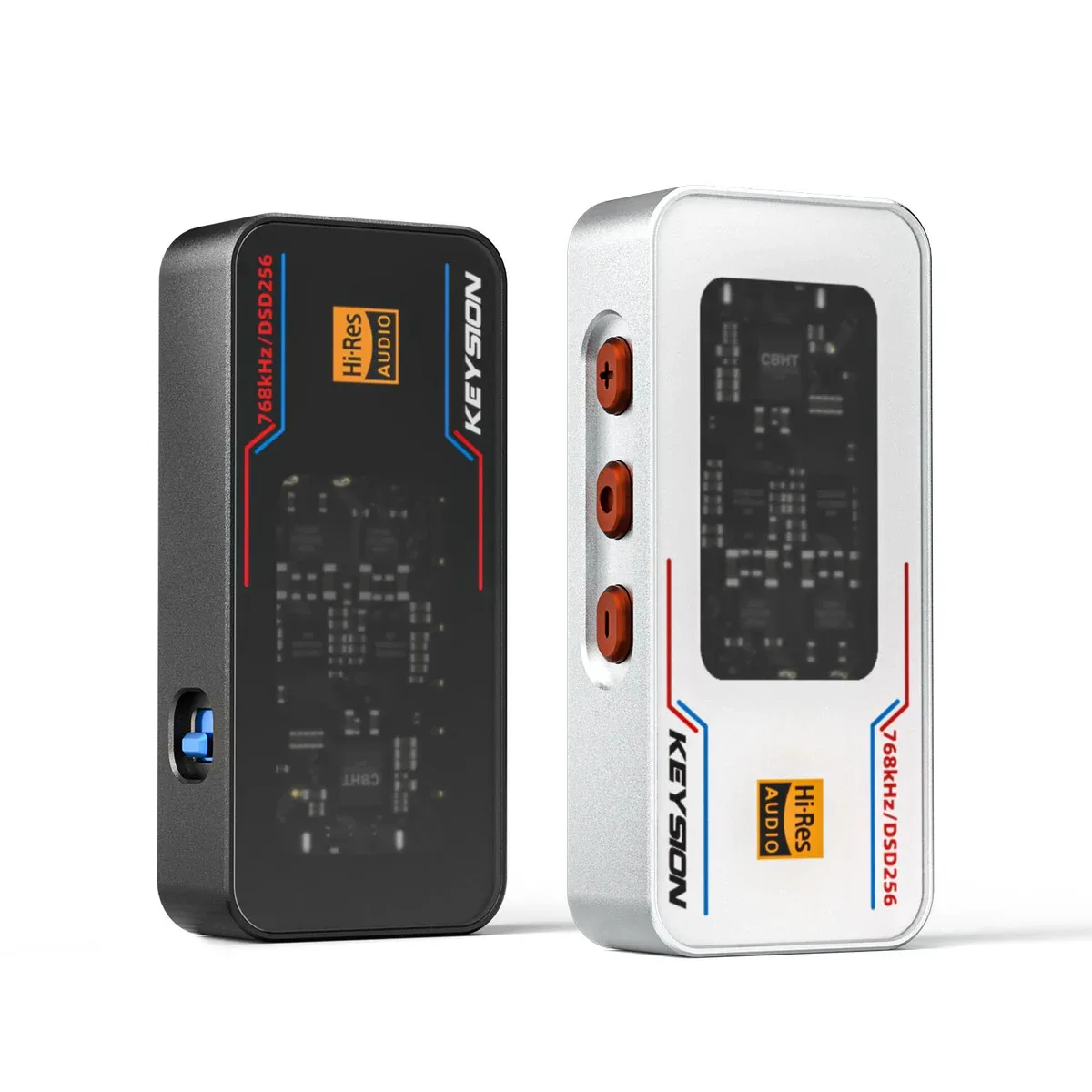
High vs Low Gain on a Headphone Amp: When to Flip the Switch
High gain isn't 'better quality' — it's more amplification, which also amplifies the noise floor. Only flip to high gain when a headphone is hard to drive and won't reach comfortable volume on low gain. This guide covers the principle, the trade-offs, and how to decide.
Dynamic, Balanced Armature, Planar, Electrostatic: Which Headphone Driver Is Right for You?
Dynamic drivers are balanced, easy to drive and forgiving; balanced armatures add detail but can sound thin; planars have great bass texture but need power; electrostatics push detail highest yet need a dedicated amp. This guide compares each type's principle, pros and cons, and pairing.
FLAC, DSD and Bluetooth Codecs: What Actually Changes What You Hear
FLAC/DSD handle local file fidelity; SBC/AAC/aptX/LDAC handle wireless transmission. Every Bluetooth link is lossy – even 990kbps LDAC. Most people can't hear 320kbps vs lossless.
How Much Power Do Your Headphones Really Need? Impedance and Sensitivity, Calculated
Headphone power needs are decided by sensitivity and impedance, not raw wattage. This guide shows how to calculate the mW your headphones actually need and whether a dongle DAC (90-551mW) is enough.
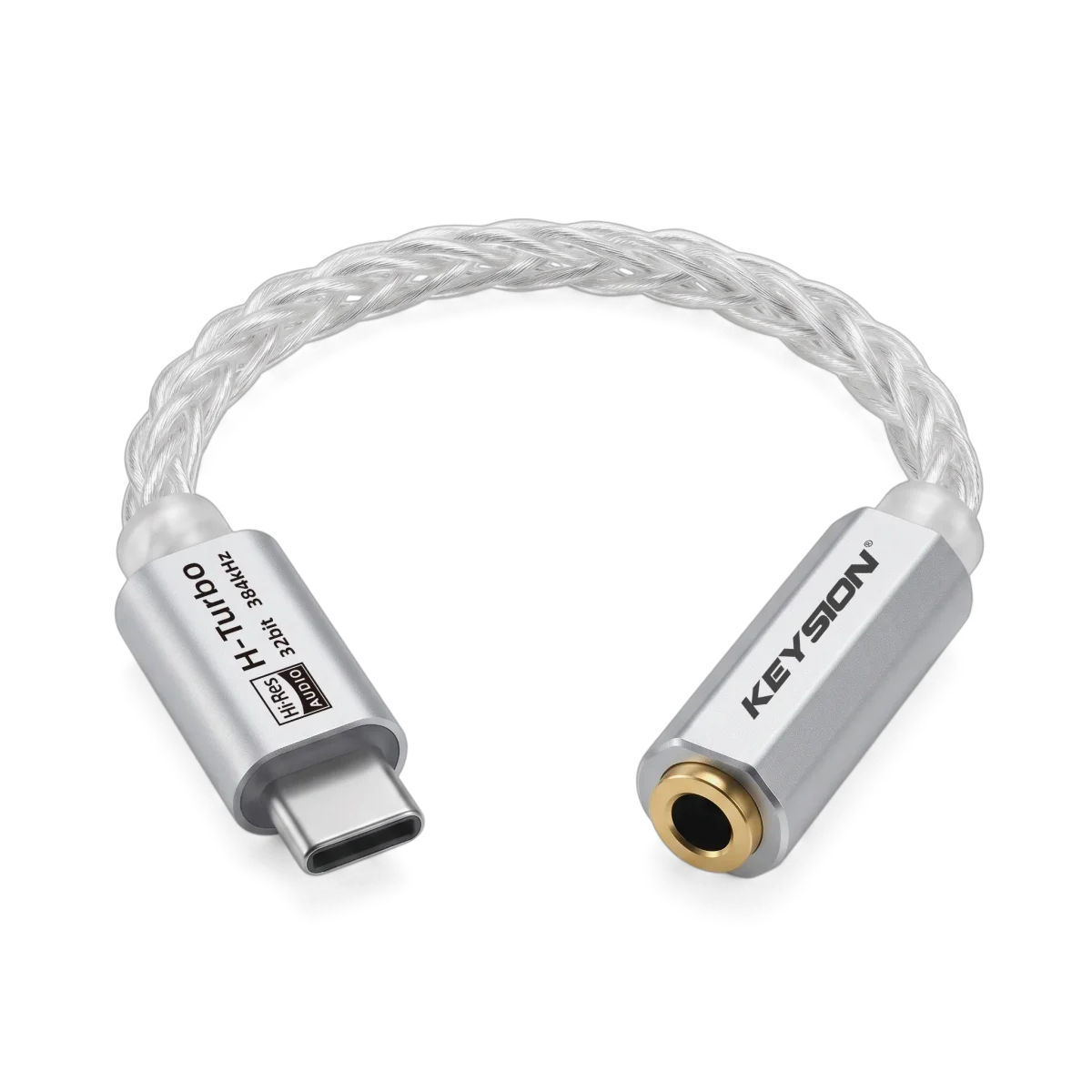
KEYSION EQ Tuning Guide: App and Web Console with 59 Presets and Custom EQ
Every KEYSION DAC tunes with EQ: the web console (keysion.cn, direct in Chrome) and the App (Android/HarmonyOS) work identically - 59 built-in presets, a 10-band parametric EQ, trial mode, and settings stored in the chip that survive power loss.
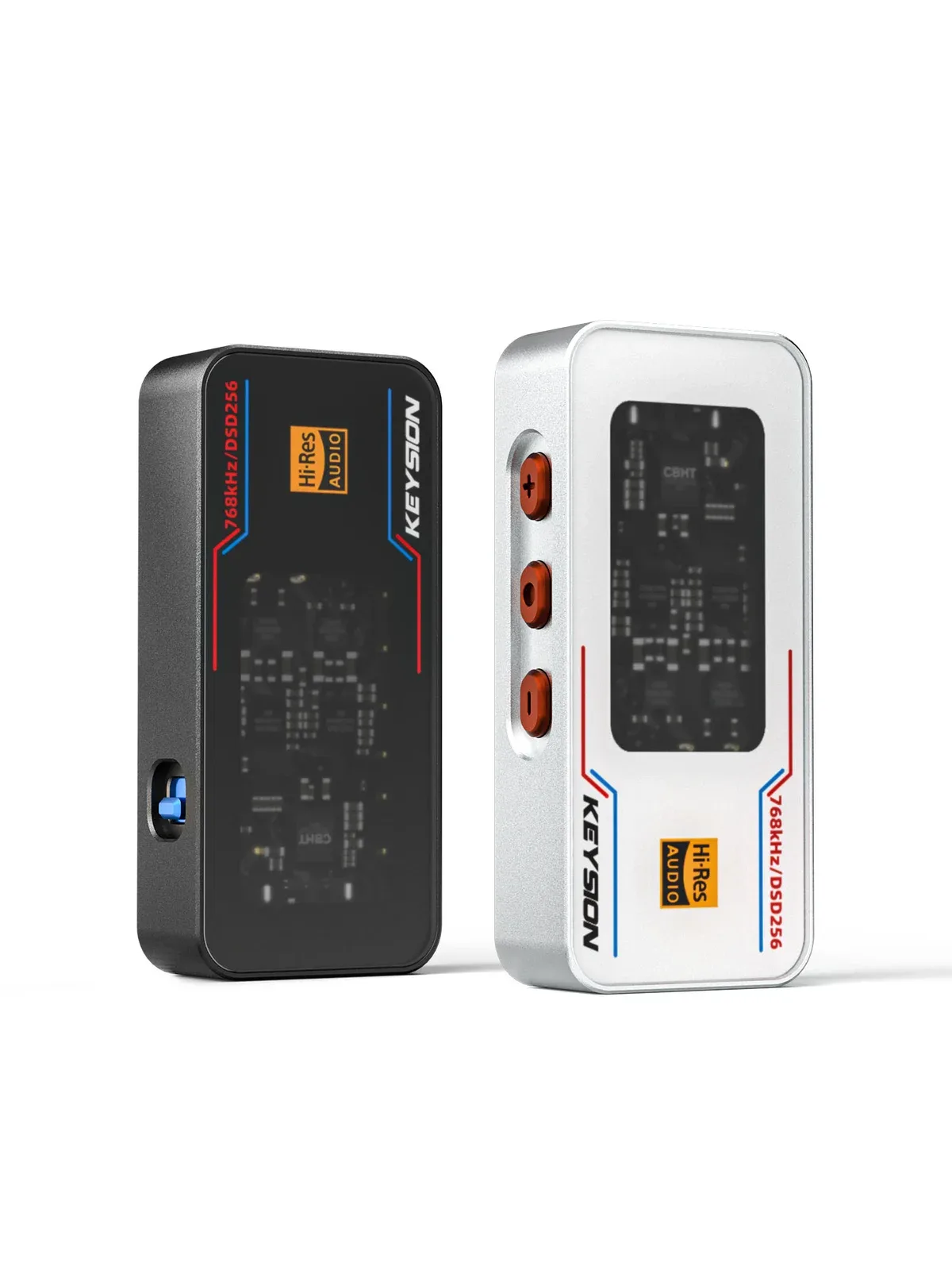
KEYSION DAC Chips Explained: What CS43198, SGM8262 and CB5100 Actually Do
From the 01 to the 02 Pro, the heart is Cirrus Logic's flagship CS43198 DAC - and the 02 Pro adds dual SGM8262 op-amps for drive. A per-model breakdown of chip roles, official figures and how to choose.
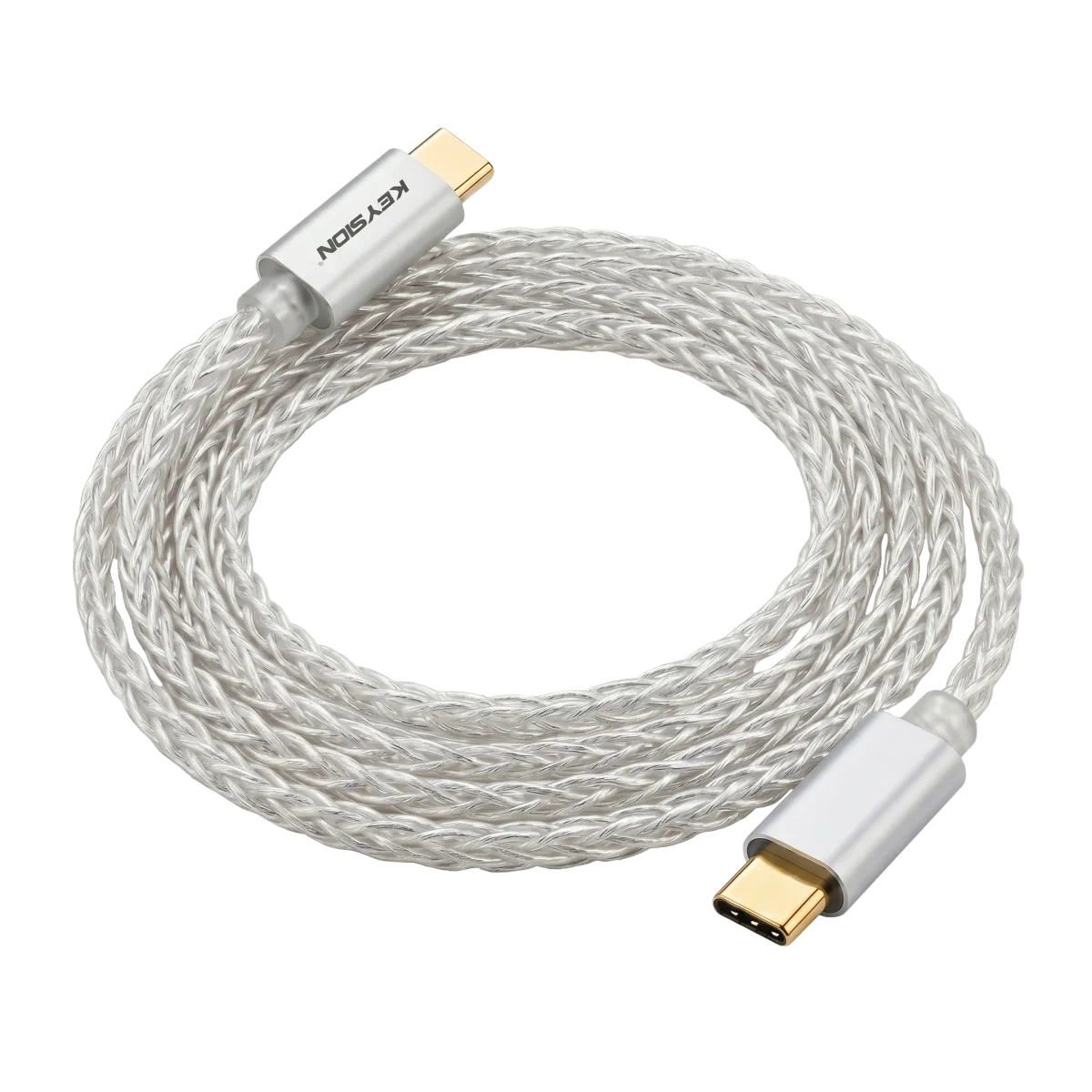
Complete Guide to Connecting Android Phones to DACs: OTG, USB Exclusive, Power and Disconnection Troubleshooting
The correct way to connect your phone's Type-C directly to a DAC: OTG permission, USB exclusive output settings, power supply basics, and a self-check list for disconnections, noise, and unrecognized devices.
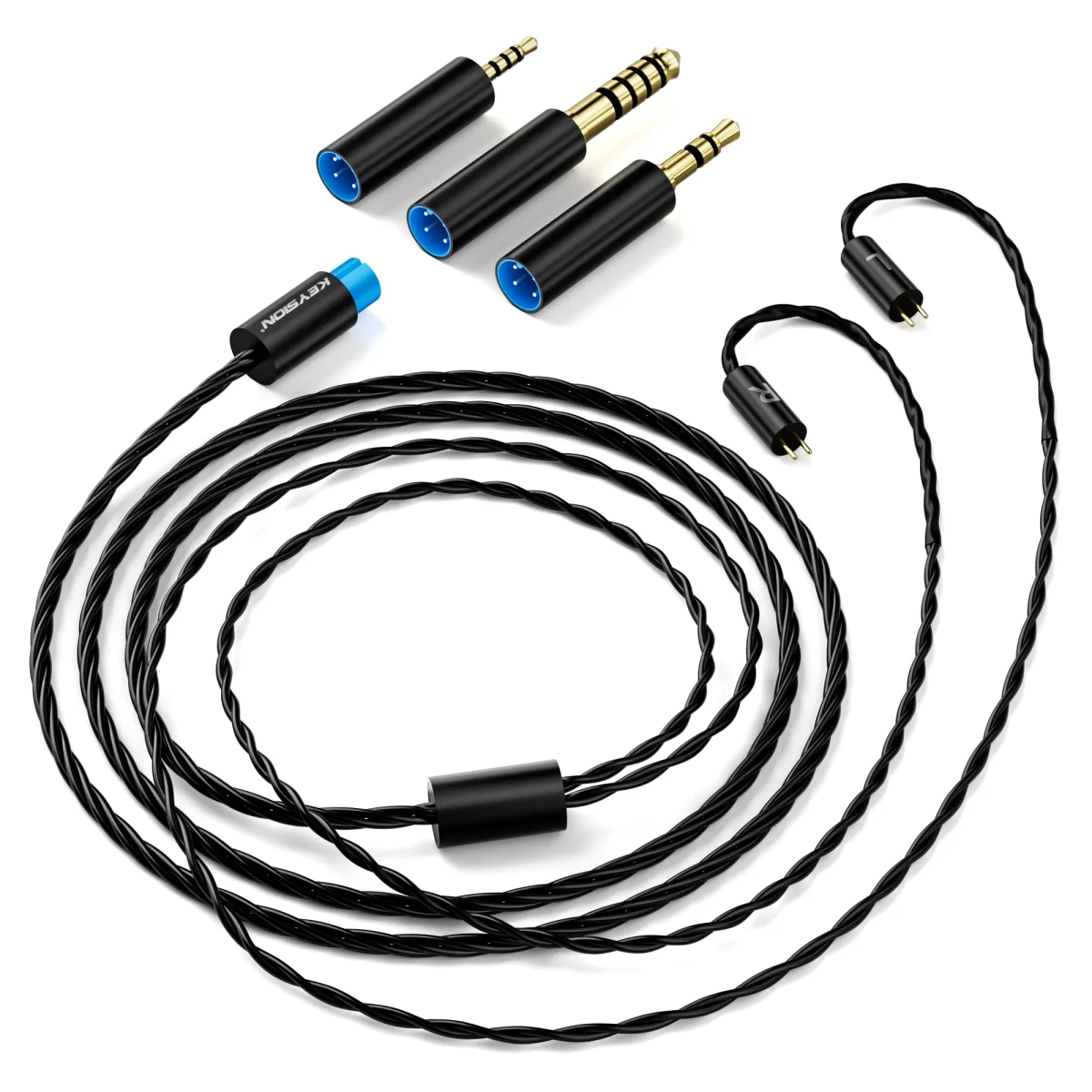
3.5mm vs 4.4mm vs 2.5mm Plugs: Single-Ended and Balanced, Finally Clear
The plug is just the jack - balance lives in the circuit. Where each plug came from, what balanced really buys you, and why a 4.4mm cable sometimes changes little.
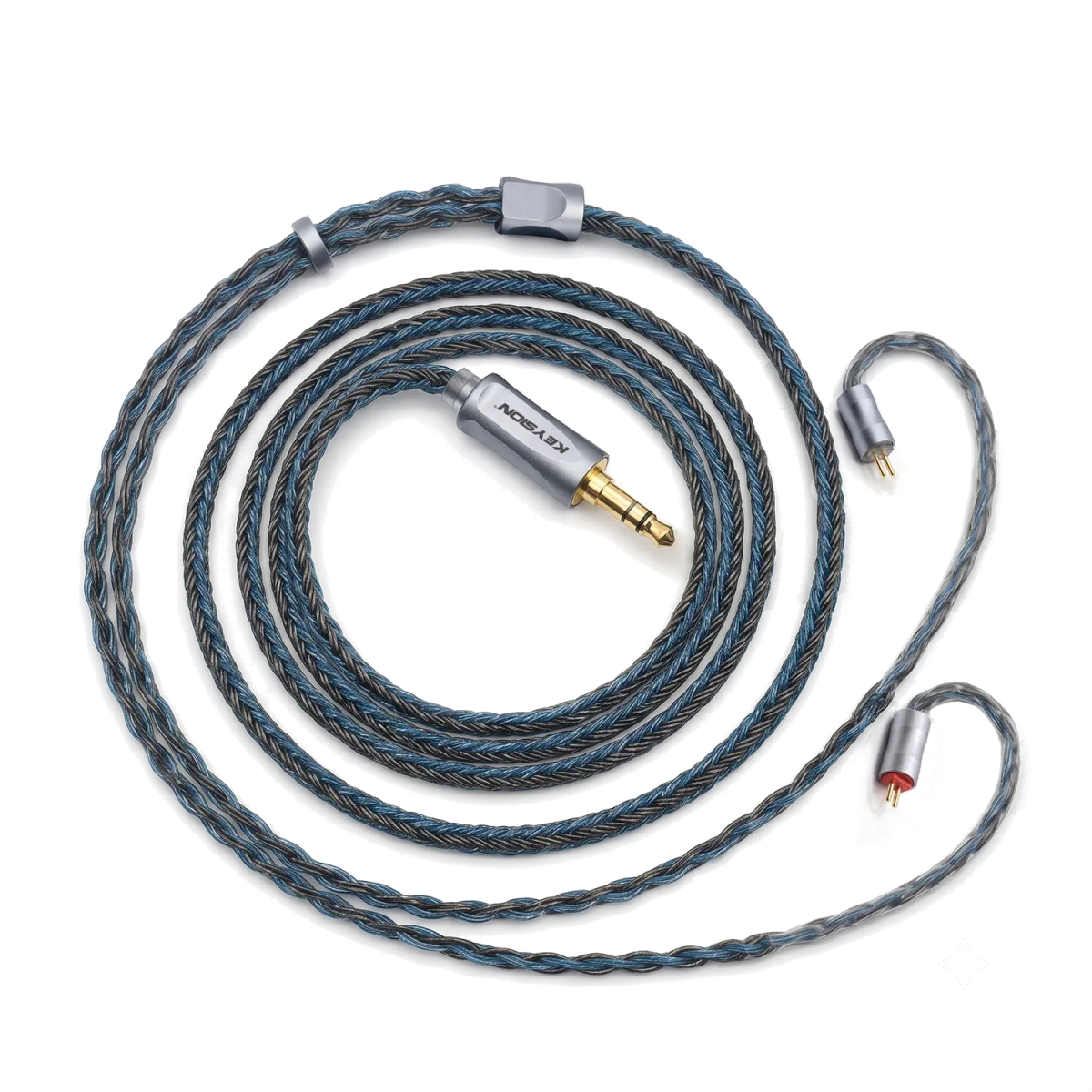
4N, 5N, 6N OFC and Litz Structure: The Real Meaning and Reasonable Expectations of Cable Parameters
Each additional 9 in purity means a price hike. This honest breakdown: whether purity differences are audible, the benefits of Litz structure, and where your money is well spent.
IEM Upgrade Cable Buying Guide: Connectors, Plugs, Strands, Solder - Four Steps to Choose Right Without Pitfalls
Before changing cable, first clarify four things: what pin your IEM uses, what jack your source has, how many strands the cable has, and what solder is used. Following these four steps, it's clear which of KEYSION's nine upgrade cables suits you.
Comprehensive Guide to Dongle DAC Specs: SNR, Distortion, Noise Floor, Power Output - What's Behind the Numbers
Using KEYSION's full range of measured parameters as samples, clearly explain the physical meaning of each parameter, how good is good enough, which numbers matter, and which are just marketing numbers.
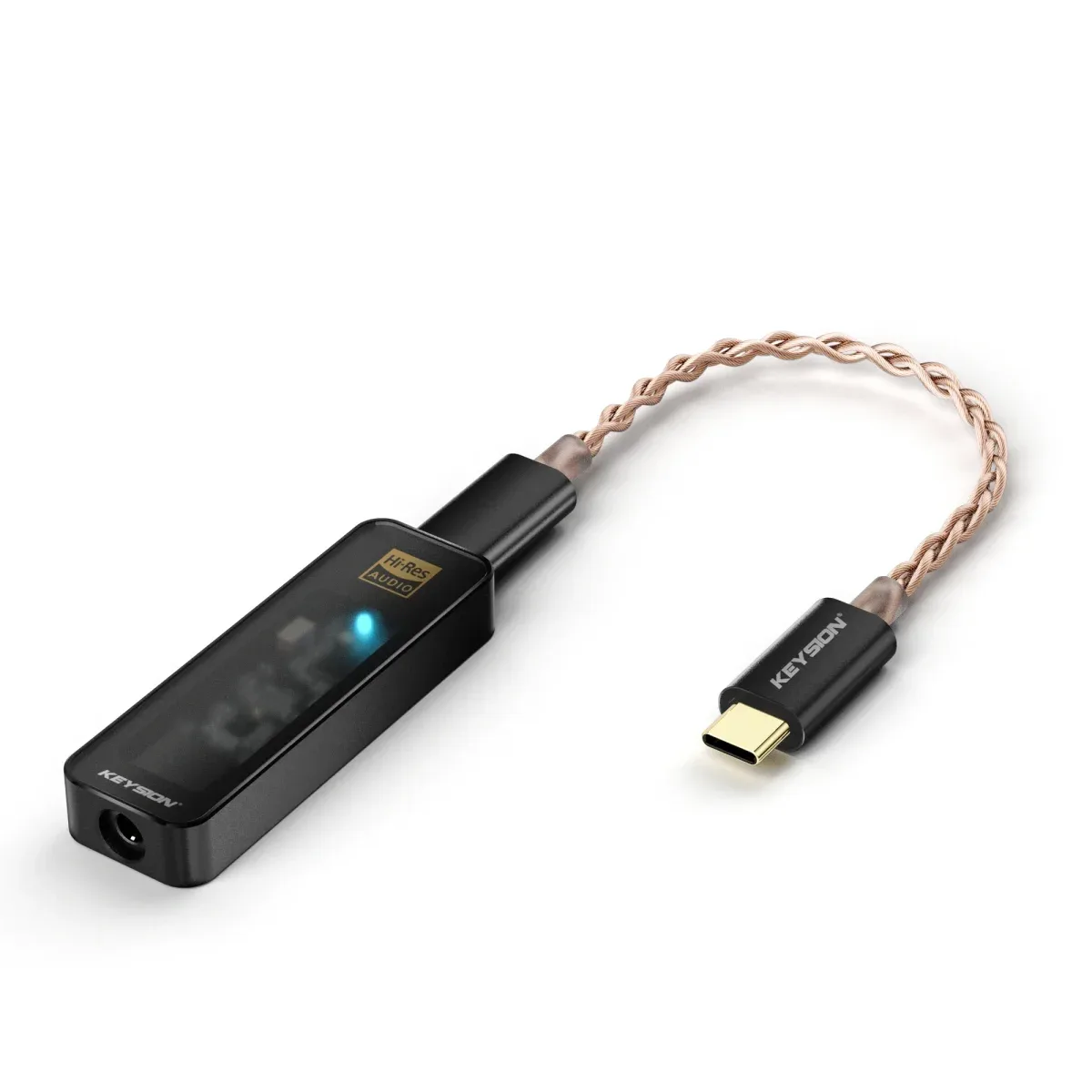
Which KEYSION Portable DAC? 01 vs 02 vs 02 Pro Compared, With Buying Advice
Three tiers at CNY 219 / 349 / 499 (USD 33 / 53 / 76); the gap is power and PCM spec. Short version: IEM-only gets the 01, headroom for headphones gets the 02, high-impedance cans go straight to the 02 Pro.