3.5mm vs 4.4mm vs 2.5mm Plugs: Single-Ended and Balanced, Finally Clear
Three plug types, two concepts (single-ended/balanced), and a bunch of misinformation. This article explains clearly by "What-Why-How to choose", and gives you a quick reference table at the end.
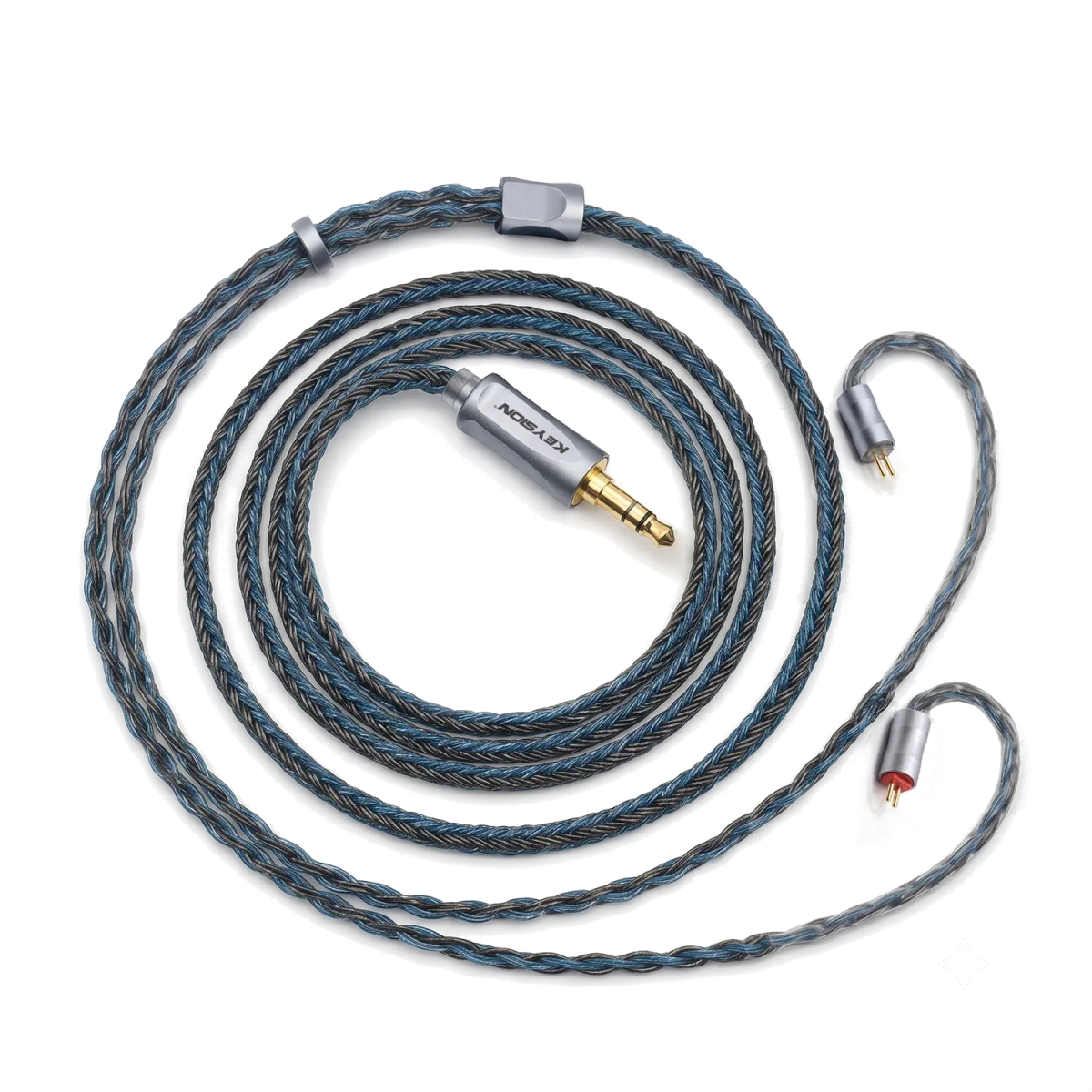
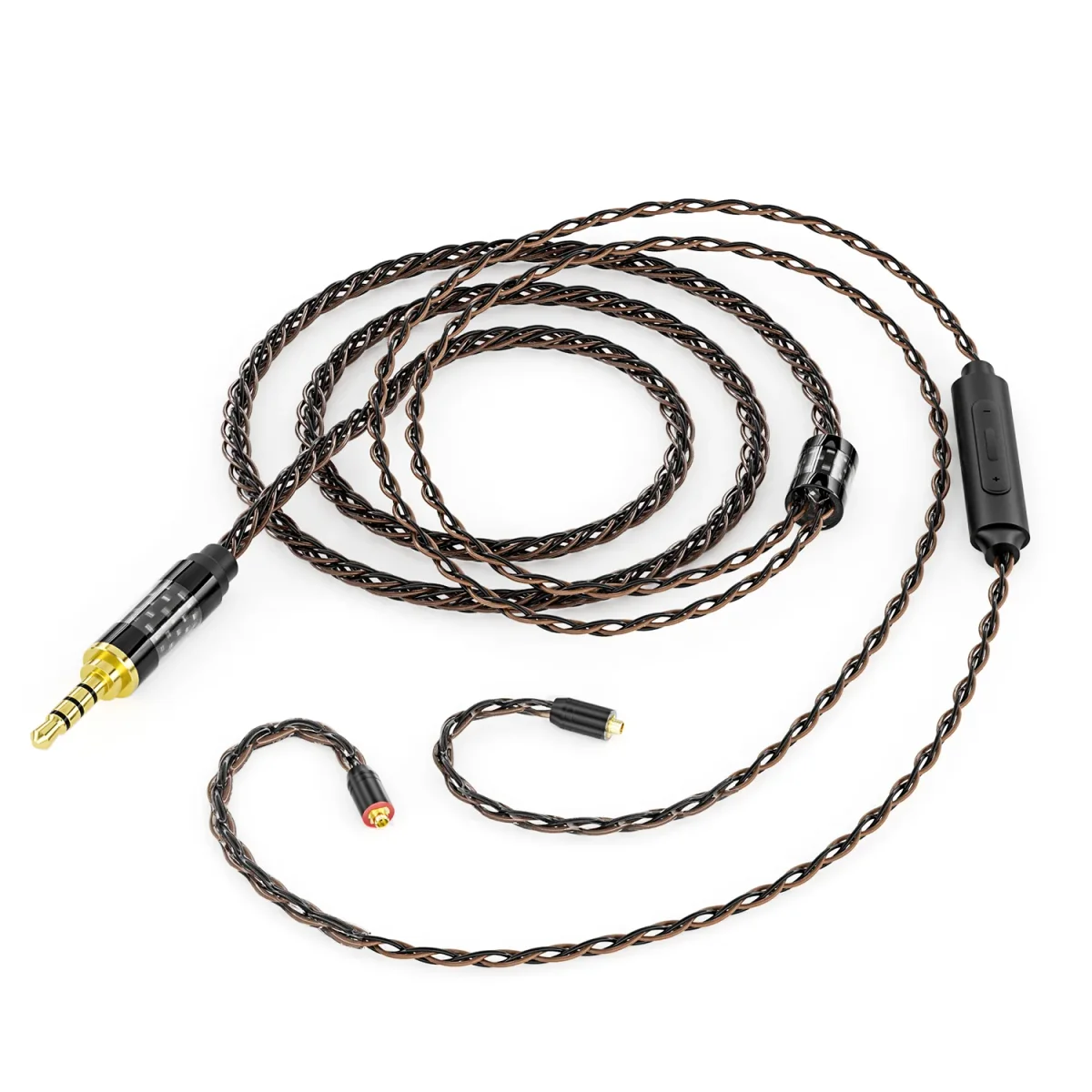
- 3.5mm: The old standard for portable audio, with three-conductor (TRS) stereo or four-conductor (TRRS) with mic. Best compatibility, available on almost all front-ends.
- 2.5mm: The balanced connector standard popularized by early Chinese DAPs, smaller in size. Now gradually giving way to 4.4mm, but still used in existing devices.
- 4.4mm: The five-pole balanced standard led by Sony (Pentaconn), with large contact area and sturdiness, is the de facto standard for current balanced connectors.
Balanced means that the left and right channels each use independent amplifier circuits and return paths. Two benefits are measurable: better channel separation (lower crosstalk) and larger voltage swing (under the same load, driving power is typically about twice that of single-ended, and power can be several times depending on the circuit). Key insight: What determines balance is the circuit, not the connector — if you connect a single-ended circuit to a 4.4mm jack, it is still single-ended. JDS Labs has specifically clarified this in their technical documentation. When buying equipment, look for "true balanced output," not "has a 4.4mm jack."
Three common reasons: First, the balanced output on the front end has little difference in power from the single-ended, and your earphones are already easy to drive; Second, the cable structure is the same, only the connector differs, so the improvement in the transmission path is limited; Third, the volume is not matched - the balanced output has more power, so at the same volume setting the loudness is different, and the louder one is easier to judge as "better". When comparing, adjust the volume of both to the same level for a reliable conclusion.
| Your Frontend | Recommended Plug | Remarks |
|---|---|---|
| Phone / Dongle (3.5mm port) | 3.5mm | Greatest common divisor |
| Player with 4.4mm balanced | 4.4mm | Prioritize power and separation |
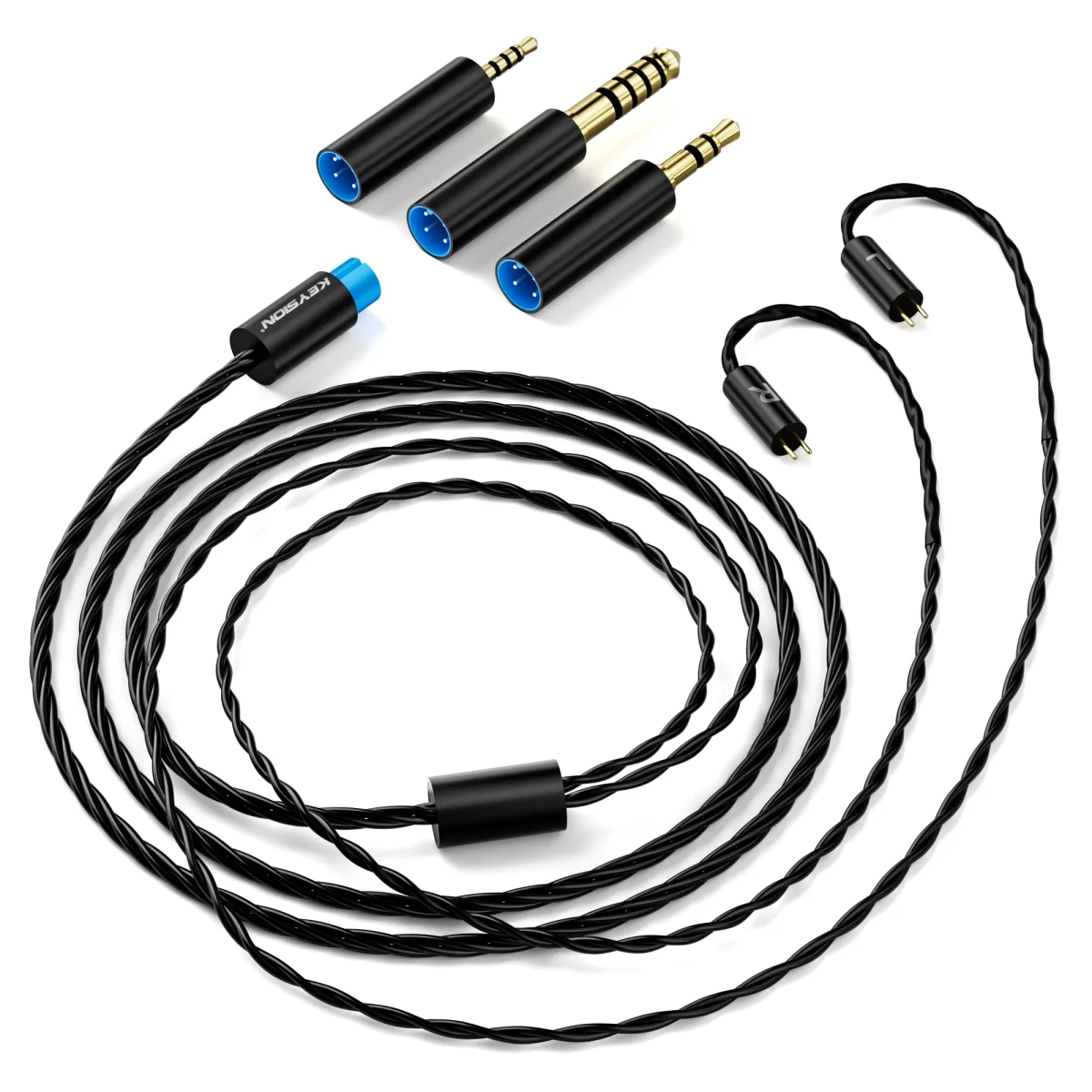
| Old DAP only has 2.5mm | 2.5mm | 3in1 one cable covers three |
| Desktop amp 6.35mm output | 6.35→dual 3.5mm cable | Over-ear scenario, see 6.35 adapter cable |
In KEYSION upgrade cables, IEM cables commonly offer dual 3.5/4.4 plugs, 3in1 and over-ear S35 series cover 2.5mm legacy devices.
FAQ
Is 4.4mm sound necessarily better than 3.5mm?
Not necessarily. The benefit of balanced comes from independent amplification circuits, provided that the front-end circuit is truly balanced and the earphones need that power. For easy-to-drive IEMs, the difference is usually small; remember to match volume when comparing.
Is it still necessary to buy a cable for 2.5mm devices?
As long as there are existing devices, there is demand. Choose a multi-plug solution like 3in1 or S35-31, one cable covers both 2.5mm older devices and 4.4mm new devices.
Is there a difference between TRRS and TRS 3.5mm?
TRS 3-pole = pure stereo; TRRS 4-pole = stereo + microphone. Headphones with mic only work for calls when plugged into TRRS devices; plugging into audio-only jacks may cause abnormal sound, requiring an adapter.
Can a balanced output damage single-ended headphones?
No, as long as the cable configuration matches (connector to connector). A balanced output just uses a different drive method; when the power exceeds requirements, just watch the volume, especially don't use in-ear monitors with heavy bass at high gain to avoid damaging your hearing.