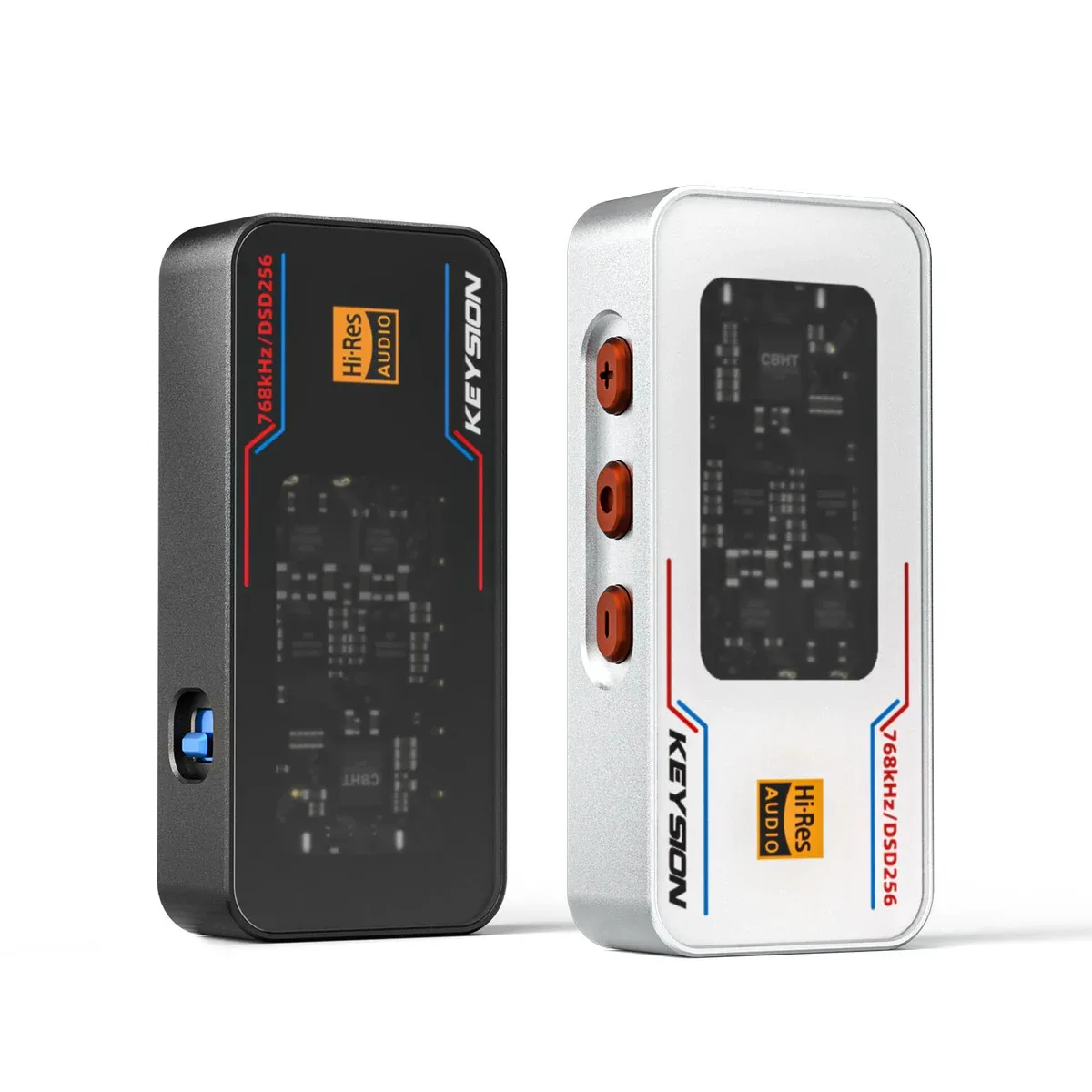
Class A, AB and D Headphone Amps: How Does the Output Stage Shape the Sound? (Measured on the KEYSION 02 Pro and 02)
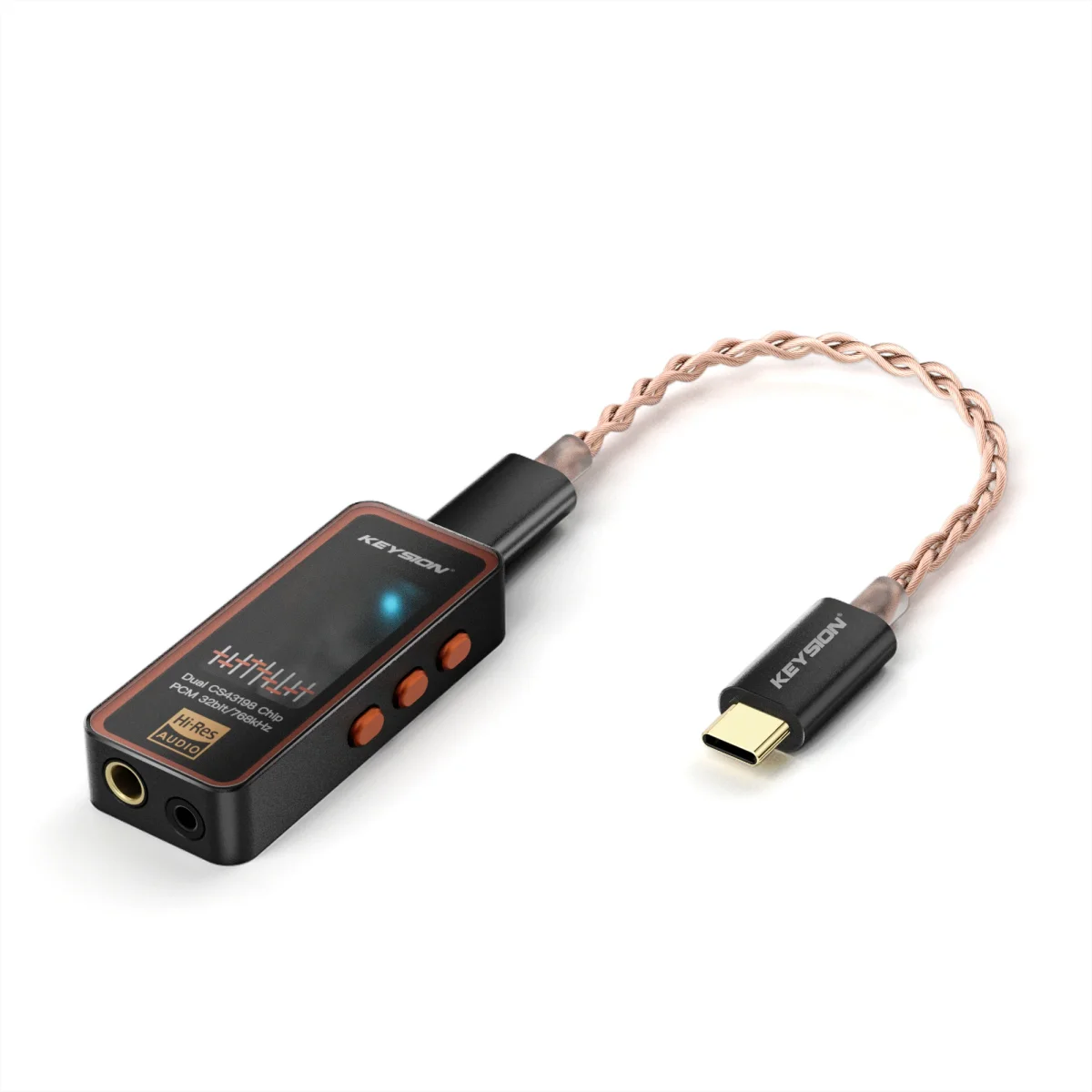
Conclusion first: the A, AB and D classes of a headphone amp differ mostly in efficiency, heat and idle power draw, not in which one sounds better. Swap the output stage inside the same device and the audible difference is often masked by signal-to-noise ratio, gain and headphone matching. A lot of people think they are hearing the class when they are actually hearing something else. This article uses the KEYSION 02 Pro and 02 as examples, walks through the three circuits, and keeps you from being misled by spec labels.
The shortest takeaway: as a pure sound quality ranking, the claim that A > AB > D does not hold up. By efficiency and heat, D clearly wins. What actually shapes your listening is usually the DAC, the signal-to-noise ratio, and the headphones — not that one amplifier stage.
Amplifier stages are sorted by conduction angle and how they work. A class (class A) keeps the transistors always on, giving the best linearity but high idle power and lots of heat. AB class (class AB) strikes a balance between A and B, trading off efficiency against distortion. D class (class D) uses high-frequency pulse-width modulation plus a low-pass filter, runs efficient and cool, and is all over portable gear today.
| Class | How it conducts | Idle power and heat | Distortion / linearity | Typical use | What it means |
|---|---|---|---|---|---|
| Class A | Conducts the whole cycle | High, keeps things warm | Theoretically best linearity | High-end desktop preamps/amps | High ceiling but power-hungry and hot, hard to make portable |
| Class AB | Conduction in between | Medium | Balanced | Mid-range amps/preamps | The usual balance between efficiency and sound |
| Class D | High-frequency switching + filtering | Low, runs cool | High-frequency limits from filtering, but modern chips keep it low | Portable dongle DACs / Bluetooth amps | Portable and power-saving first, hard to separate by ear |
| Can you hear it? | — | — | — | — | In most blind tests AB and D are hard to tell apart; do not let D-class-not-hi-fi scare you |
Put simply: the class describes the engineering approach of how this device turns electricity into sound, not a guarantee that it sounds good.
No. Back when D class first appeared, poor filtering and switching noise gave it a mediocre reputation. Modern high-performance D-class chips, which top out many flagship products, have pushed the noise down to where the ear cannot detect it. When a cheap D-class device sounds bad, the blame usually belongs to other parts — power supply, DAC, gain — rather than D class itself. A portable unit like the KEYSION 02 Pro stays stable under high-spec decoding, and its heat stays manageable.
Because other stages get in the way. One clear example: with a low signal-to-noise ratio, the noise itself buries the details. Crank the gain too high and the noise floor gets amplified too. If the headphone is poorly matched in sensitivity or impedance, the sound refuses to sit right no matter how you adjust it. Any of these matters more to what you finally hear than whether it is an A or a D. To understand volume and signal-to-noise, see that hiss and noise in your headphones and when to raise the gain switch on an amp.
Because portable runs on USB or battery, and the power budget is only so big. To keep size, battery life, and output power together, manufacturers naturally favor high-efficiency, low-heat approaches. That is also why true class A almost only shows up in desktop units with a wall plug and room to dissipate heat. It is not better, just a trade-off under different constraints.
On portable versus desktop, see portable or desktop: when a desktop setup is worth the upgrade. On why a dongle DAC warms up, details are in why dongle DACs get hot and drain power.
Honestly, if you are a normal listener, you can mostly ignore this parameter. What really affects you is whether this unit decodes well, has enough power for your headphones, keeps the noise floor low, and whether it gets hot in your hand or stays convenient. Fussing over whether it is true class A is like working through a multiple-choice question that goes beyond what your ears need.
If you keep going back and forth between portable and desktop, settle on the headphones before the front end — start with which of the four driver types fits your ear.
Related reading: KEYSION 02 Pro, KEYSION 02, and the entry-level KEYSION 01.
Author: the KEYSION review team. Impressions and specs come from several days of comparing portable units of the same kind, and the conclusion leaves room — the pitfall of audio reviews is that the bit beyond the numbers differs from person to person.
FAQ
If an amp is class D, is the sound automatically worse?
Not really. The audible side of D class comes mainly from filtering and switching-noise handling, and modern high-performance D-class chips have pushed that down to where the ear cannot detect it. What usually shapes sound quality is the DAC, signal-to-noise ratio and headphone matching, not the class itself.
Does class A really sound better than D?
In theory class A has the best linearity, but the difference is often masked by signal-to-noise, gain and the headphones. In most blind tests, telling A from D is not reliable, so do not let the class-equals-sound-quality idea steer you.
Why does nearly all portable gear use class D?
Portable runs on USB or battery, and the power budget is limited. Class D's high efficiency and low heat let you keep battery life and output power in a small body, so manufacturers turn to it.
My headphones have obvious noise floor. Does the amp class matter?
Usually not much. Noise floor mostly comes from a low signal-to-noise ratio, too much gain, or dirty power. Troubleshoot signal-to-noise, gain and the power supply before suspecting problems specific to D class.
When choosing an amp, should I look at the class or at specs?
Look first at decoding specs, signal-to-noise ratio, output power and headphone matching, and leave the class for last. Fussing over A/AB/D is a multiple-choice question beyond what your ears need.
Related products
Related articles