
HOT
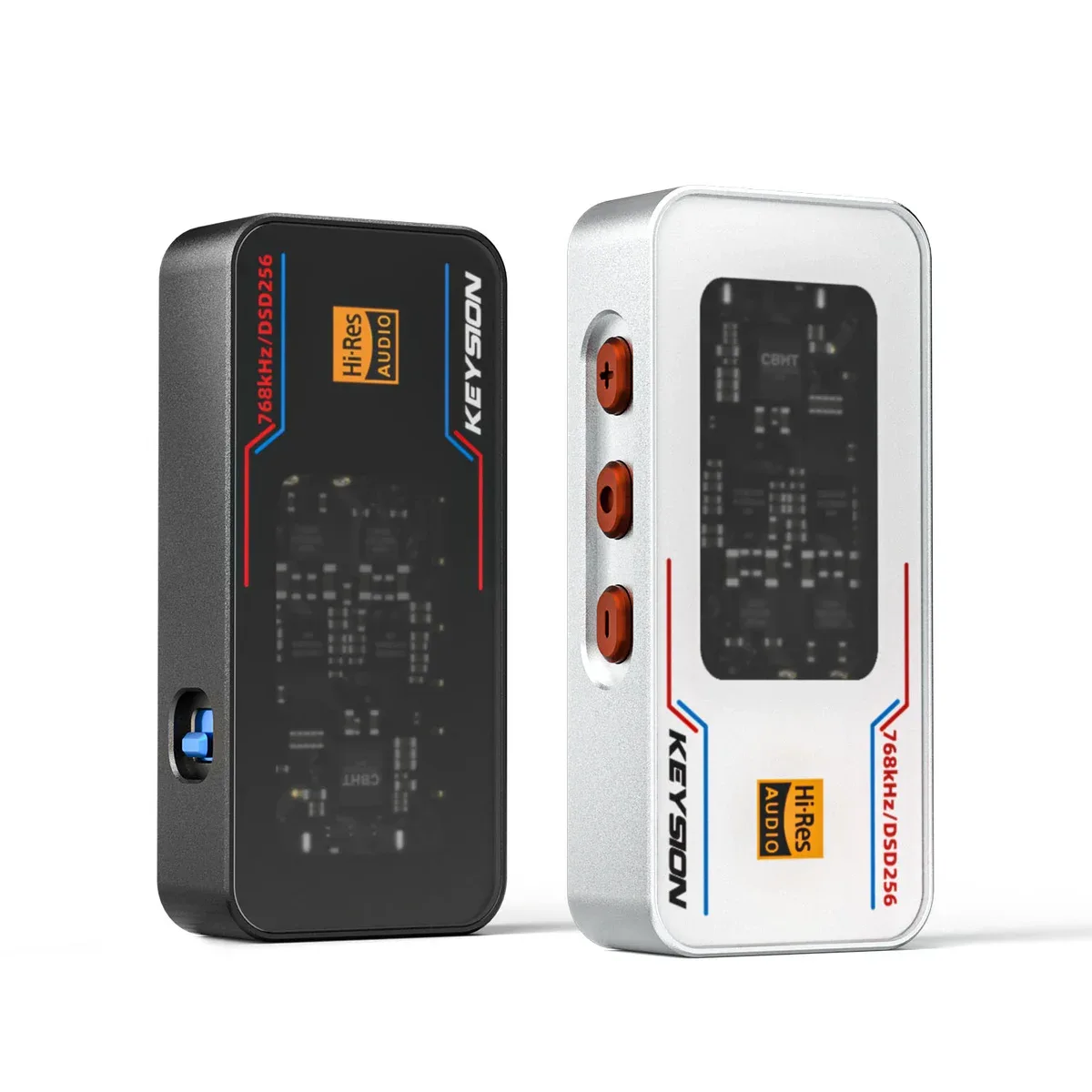
Monster Portable HiFi DAC (02 Pro)
$75.60
Style
Quantity
1
Highlights
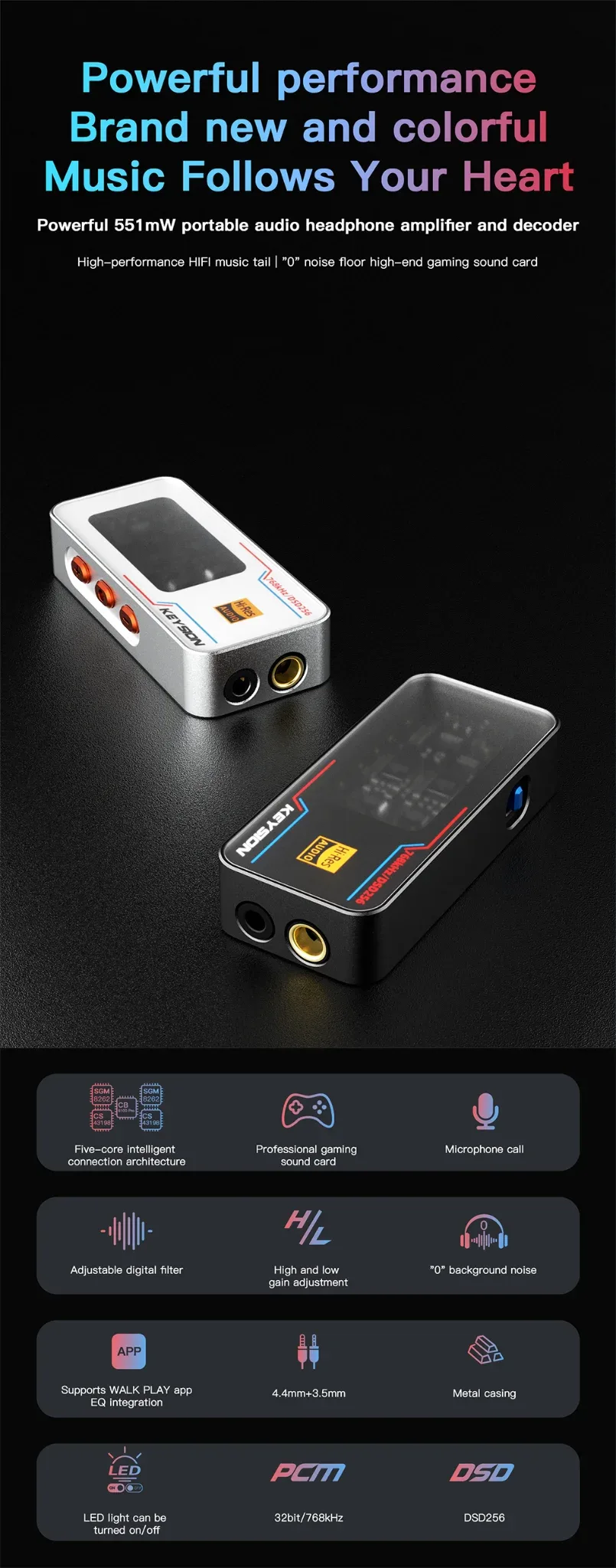
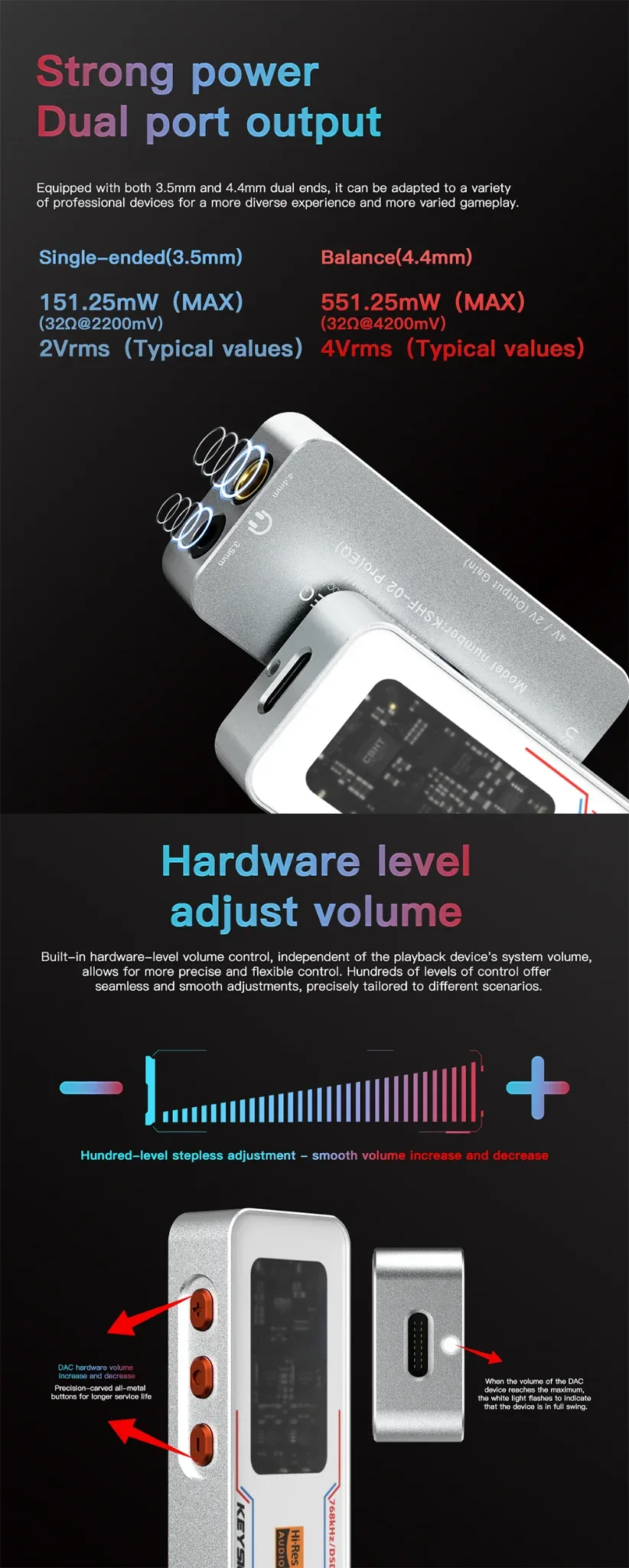
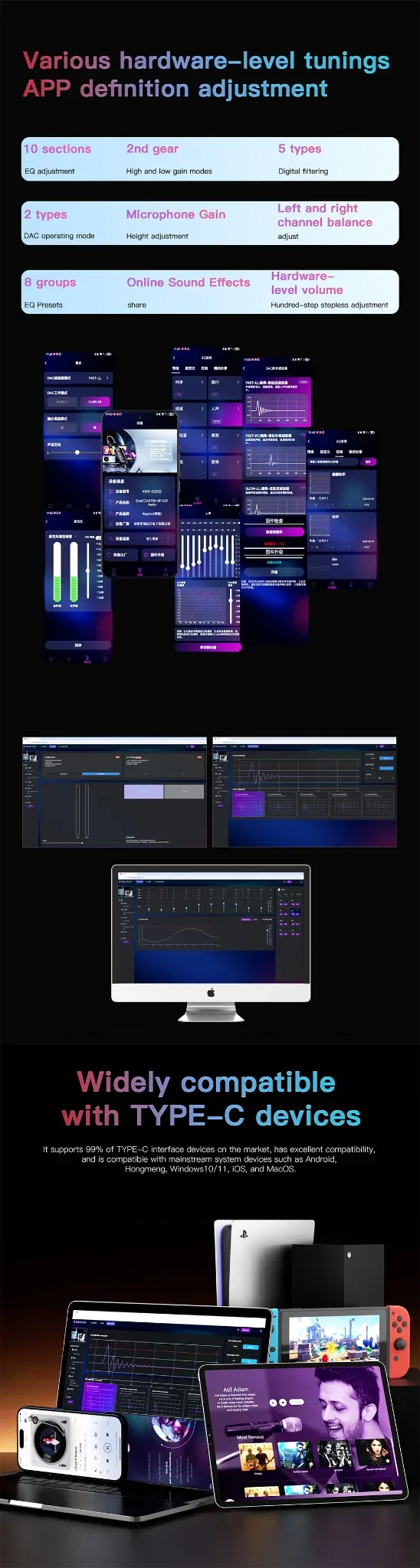
551mW Monster-Class Output Power
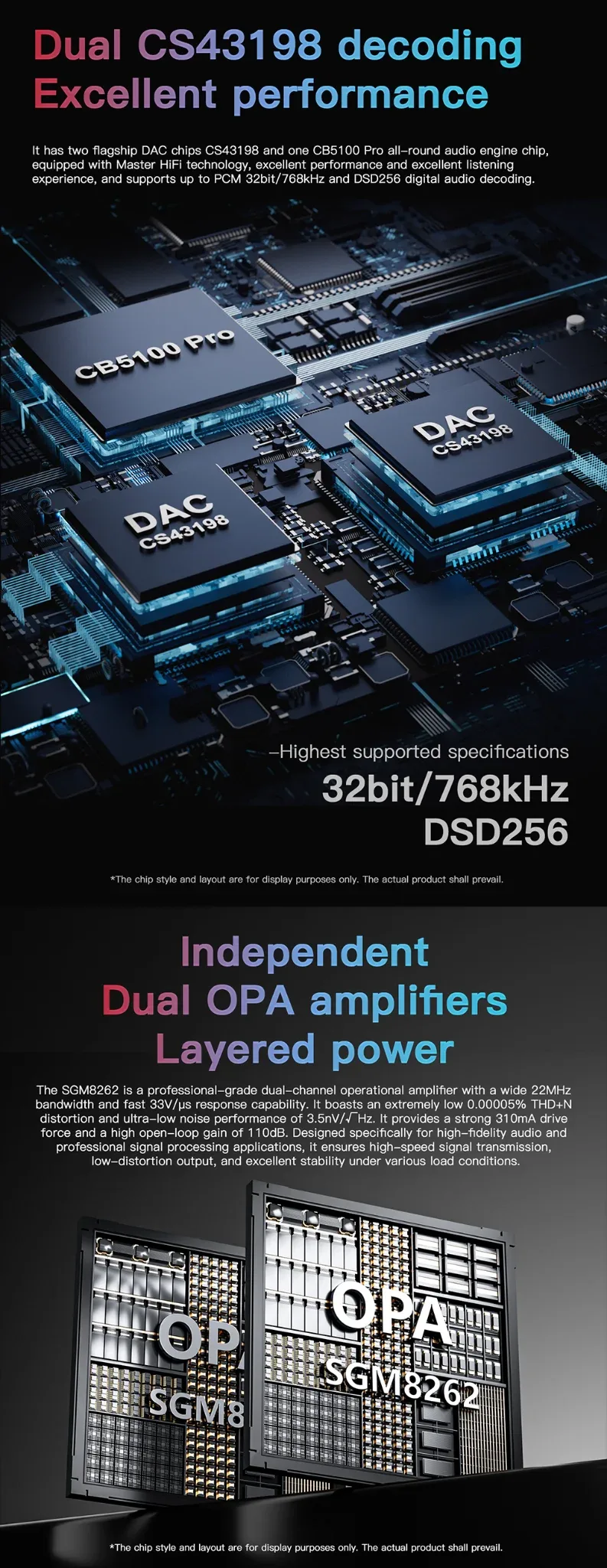
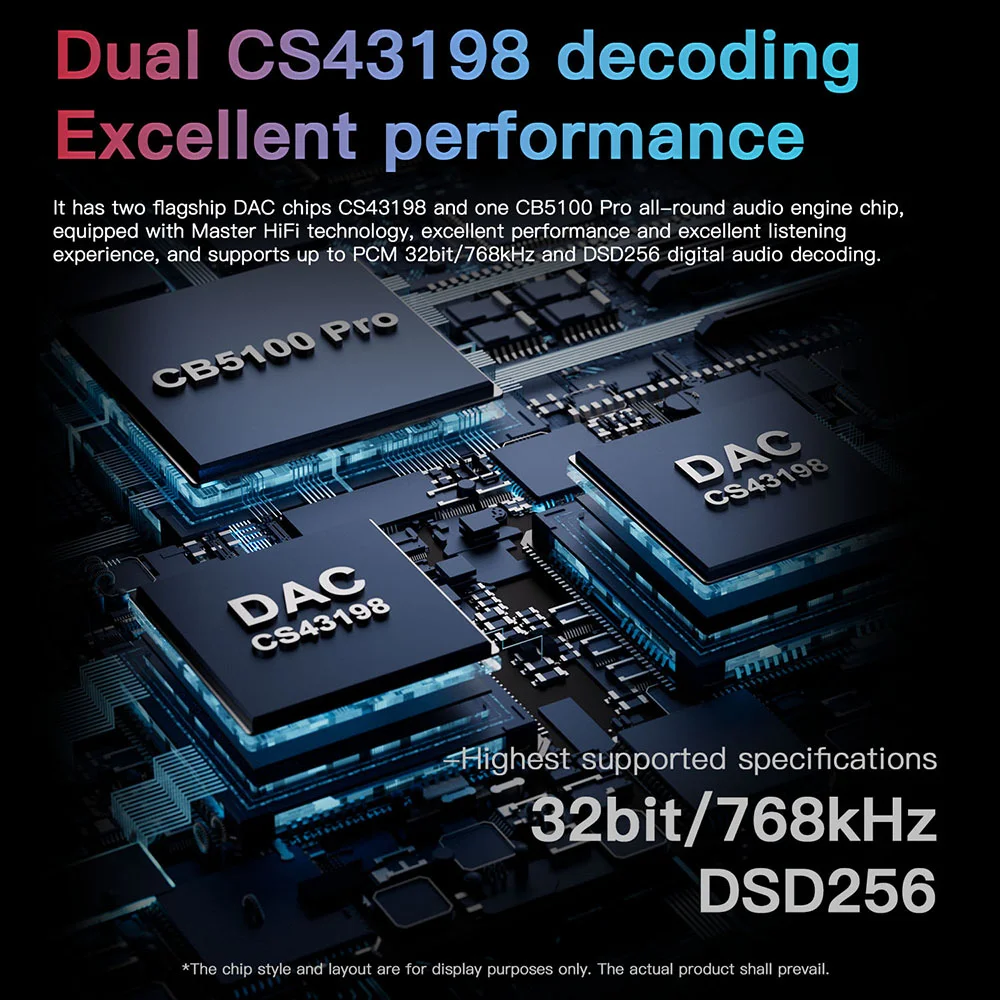
High-Spec PCM 768kHz Decoding
DSD256 Native (Hardware) Decoding
Ultra-Low Noise Floor
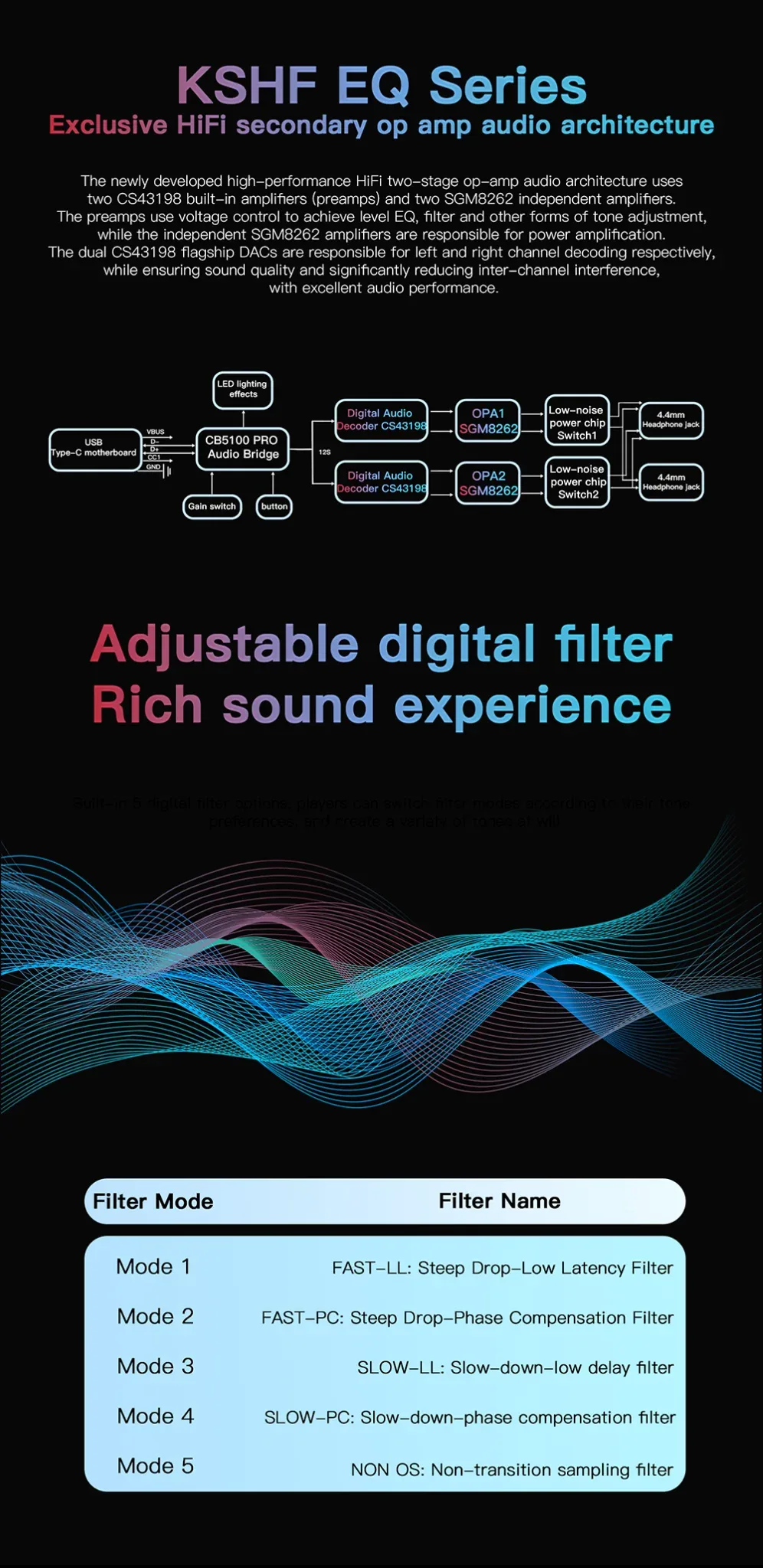
DAC Filter
Gain Mode
Tech Specs
PCM Decoder32bit/768kHz
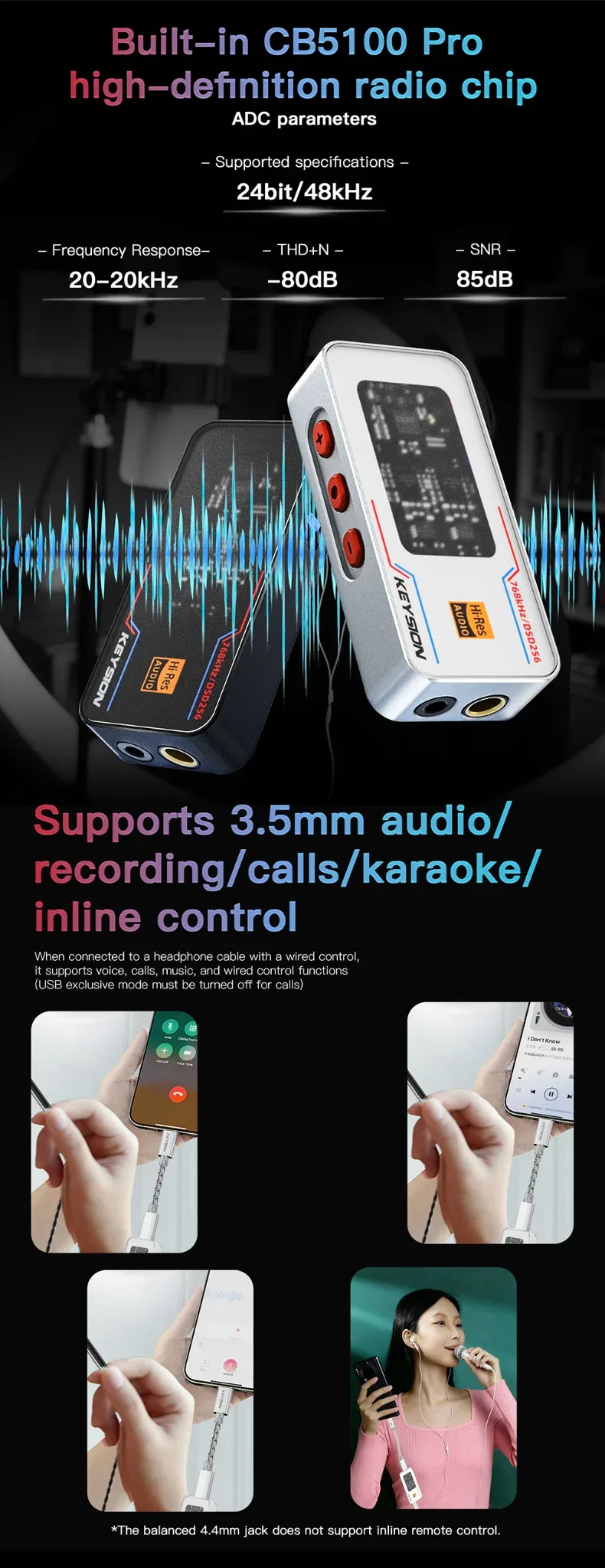
ADC Decoder24bit/48kHz
DSD(Dop)64/128/256
DSD(Native)64/128/256
Signal-to-Noise Ratio135dB@4.4mm/130dB@3.5mm
Dynamic Range135dB@4.4mm/132dB@3.5mm
Distortion-121dB@4.4mm/-118dB@3.5mm
Frequency Response20Hz-40kHz
Noise Floor1.30μV@4.4mm/0.99μVdB@3.5mm
Impedance Range16-600Ω
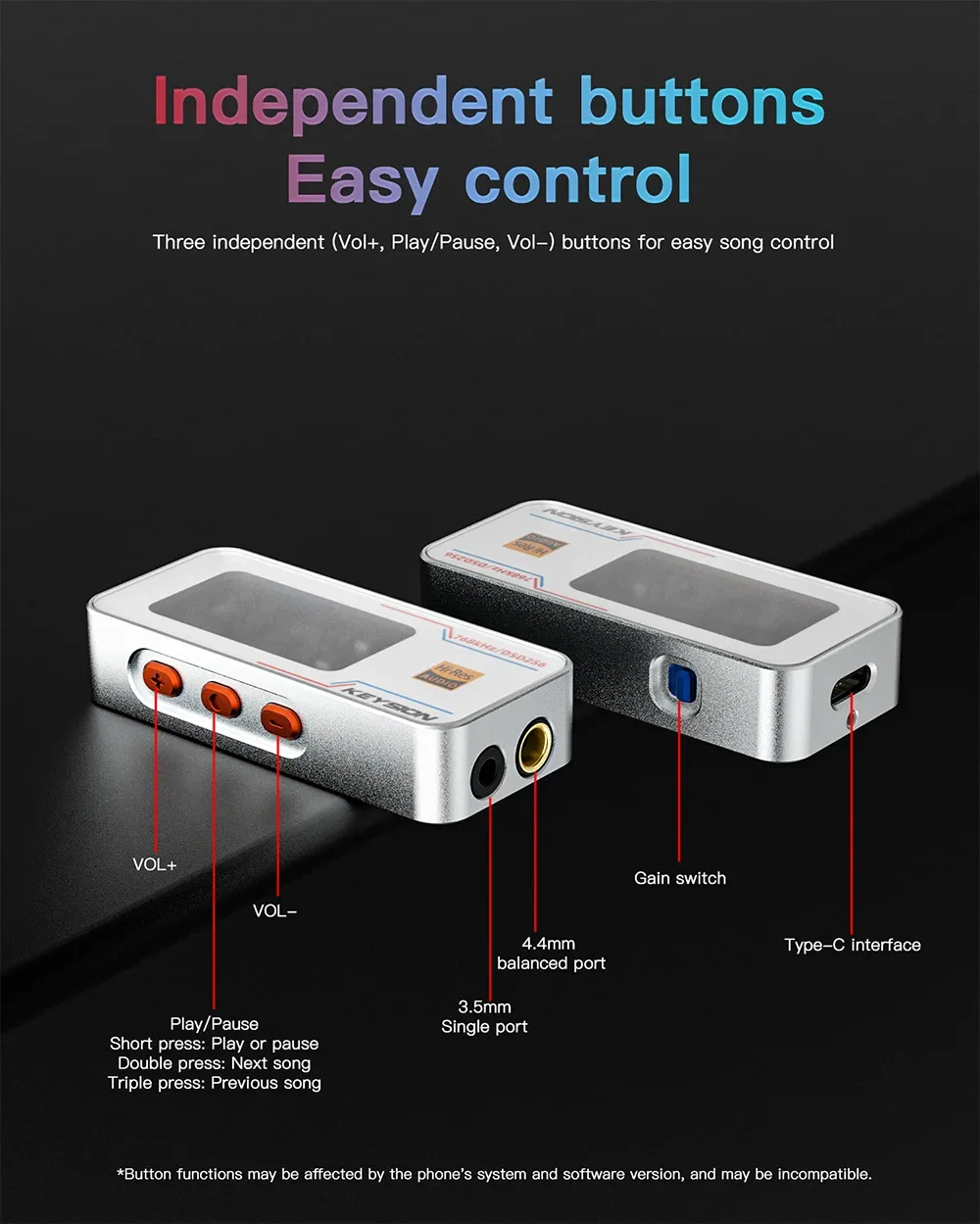
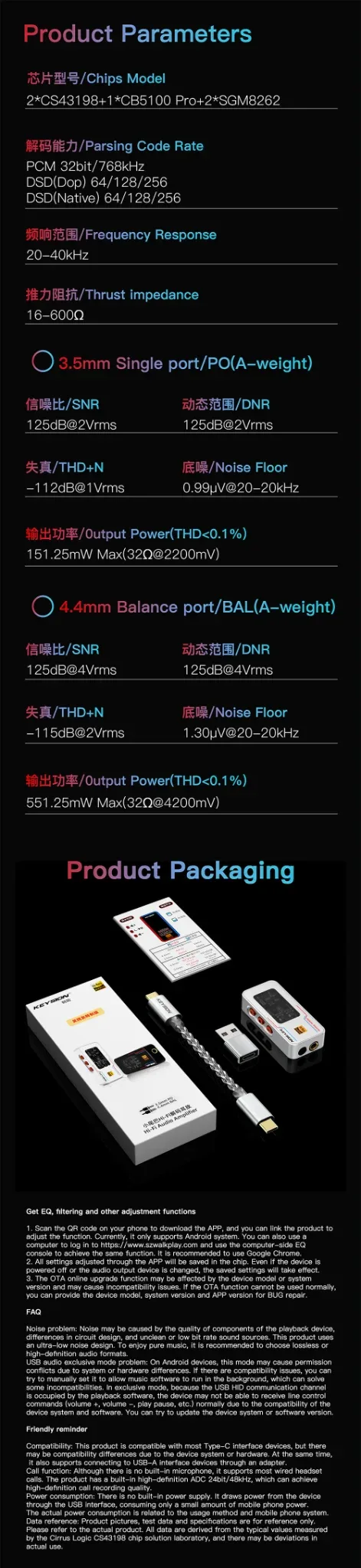
Interface3.5mm&4.4mm
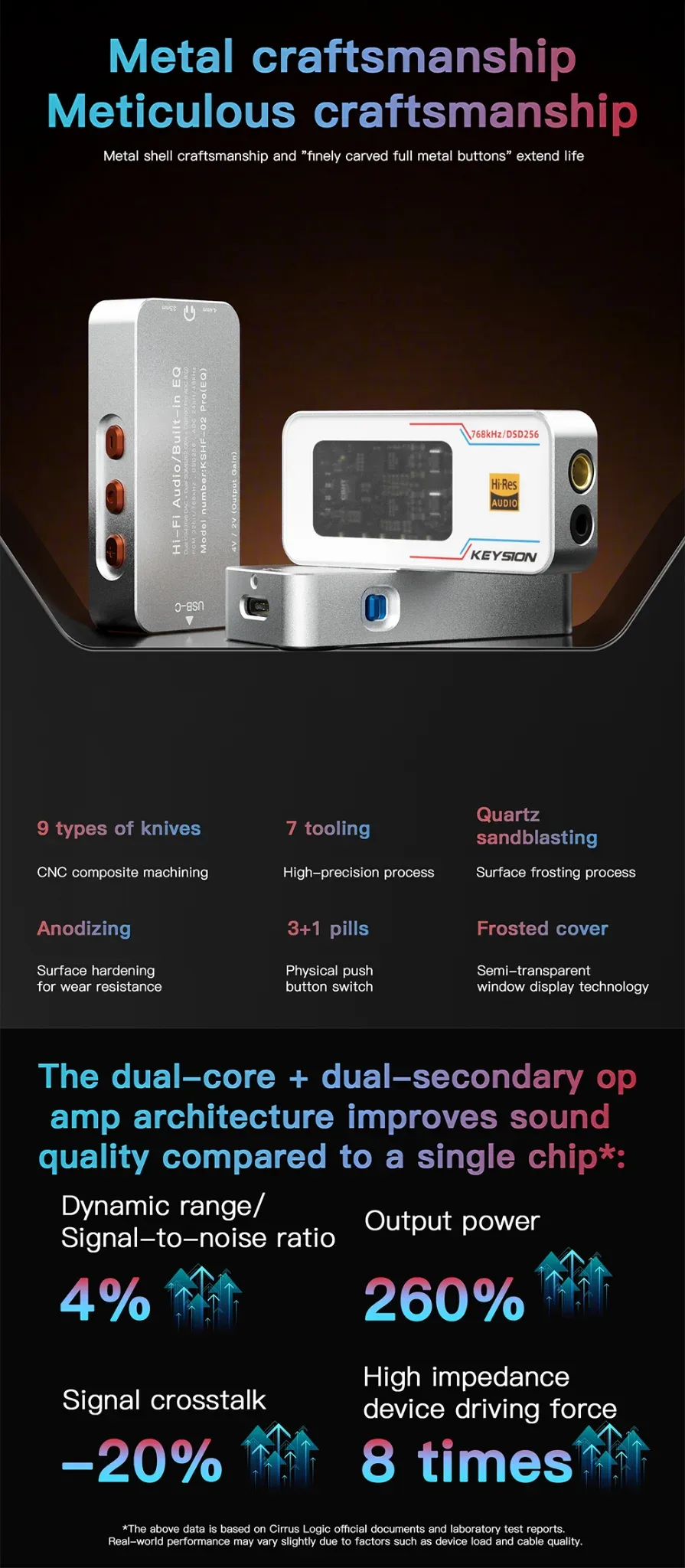
MaterialAluminum Alloy
Product Details




Product Reviews
5 · 103 reviewsLa***an2026-08-28 02:32:56 UTC
Excellent customer service and fast delivery. Product quality exceeded my expectations. Very happy with this purchase.
Ал***ей2026-08-27 23:19:18 UTC
За такие деньги — просто космос. Корпус металлический, разъёмы плотные, звук прозрачный. Доволен покупкой.
Mi***fi2026-08-27 03:27:08 UTC
The 768kHz PCM support and DSD256 native decoding are top-tier. This is a game changer for on-the-go hi-res listening. Highly recommend.
El***_K2026-08-25 06:17:25 UTC
Package arrived quickly and everything was as described. The device feels premium and works flawlessly. Would buy again.
Ch***sD2026-08-24 05:01:52 UTC
Amazing dynamic range and the low noise floor is impressive. The filters give nice flexibility for tuning. Solid build quality.
1 / 11
You May Also Like
View all
Related articles
All articles
IEM Filter Mesh and Damping Foam: How Much Can One Small Screen Change?
Going from 200 to 500 mesh usually costs 1-3dB above 10kHz, while a clogged filter can return 3-6dB after cleaning. Damping foam changes airflow, bass weight and transients. Mesh sizes, placement and a fault-finding order.

Do Diaphragm Materials Really Decide How Headphones Sound? Beryllium, Bio-Cellulose and Carbon Nanotube Compared, Judged on a KSHF-02 Pro Source
Diaphragm material sets a headphone's ceiling and character, but it does not decide the sound by itself. Beryllium adds stiffness, bio-cellulose adds damping, carbon-nanotube composites save weight, and frequency response plus tuning usually outweigh the material. Here is a testable order of judgment, and what a source or cable can and cannot change.
16-bit vs 24-bit: How Much Real Difference, What Dither Does, and Whether a DAC Like 02 Pro Needs It
16-bit gives roughly 96 dB of theoretical dynamic range, 24-bit about 144 dB. At normal listening levels the extra 48 dB is headroom for recording, mixing and digital gain changes, not new detail in your ears. Dither trades quantisation distortion for low-level noise, and only belongs at the final bit-depth reduction.