Where does Bluetooth audio quality get lost? How much do SBC, AAC, aptX, and LDAC really differ (KEYSION S2 measured)
- SBC and AAC: lowest entry point, usable but don’t expect detail
- The aptX family: better than SBC, but don’t be led by the name
- LDAC: the bitrate ceiling, but it needs the right conditions
- Measured: how much a codec change makes on the same dongle
- How to choose: who it fits, who it doesn’t
- How to check which codec you’re using
Where does Bluetooth headphone quality actually go wrong? The short answer: most of the loss happens in the codec, not in the driver itself. From SBC to LDAC, the upper bitrate can differ by three to four times, and the first things to go are often the high frequencies and transients in the audible band. This piece uses measured data from a KEYSION S2 dongle paired with different headphones to lay out the real gaps between SBC, AAC, the aptX family, and LDAC, and to note when you should care and when you can get by.
SBC is Bluetooth’s mandatory default, so every device has to support it. Its bitrate tops out around 328kbps, but on most phones it actually runs near 229kbps, and the mid-range bitrate drops a noticeable amount of the high-frequency roll-off. For vocals and podcasts it’s fine; once you hit string sections or cymbal-heavy passages that pack lots of high-frequency energy, the sound turns muffled and rough.
AAC is the default on the iPhone. Its theoretical ceiling is around 320kbps, and paired with Apple’s own AAC encoder it’s more consistent than in earlier versions. The problem is on the Android side: a fair number of Android phones implement AAC via software pass-through, so quality varies. Two phones both labeled AAC can sound noticeably different.
| Codec | Typical bitrate | Common sample rate | Latency | What it means |
|---|---|---|---|---|
| SBC | 229-328kbps | 44.1kHz | Higher | Universal fallback; highs get cut first |
| AAC | 250-320kbps | 44.1-48kHz | Moderate | Solid on Apple; depends on the phone on Android |
| aptX | 352kbps | 44.1-48kHz | Lower | Better highs than SBC; fine for everyday |
| aptX HD | 576kbps | 48kHz | Lower | Higher fidelity, not widely bought |
| aptX Adaptive | 279-420kbps | 44.1-48kHz | Low | Adjusts bitrate on the fly; good for gaming and calls |
| LDAC | 330-990kbps | up to 96kHz | Higher | Highest ceiling, if the signal allows |
aptX raises bitrate to 352kbps and keeps noticeably more high-frequency detail than SBC. For most pop and rock, the real gap between aptX and SBC is smaller than most people expect, especially when the bitrate stays stable. aptX HD goes up to 576kbps with a 48kHz sample rate, theoretically close to CD quality, but the phones and headphones that support it are few, and even fewer in practice run it at full speed.
aptX Adaptive points in a more practical direction. It ramps the bitrate up or down based on signal strength and content: high when the connection is solid, lower automatically in bad signal so the link doesn’t drop. For latency-sensitive stuff like gaming and voice calls, it’s more stable than LDAC.
LDAC can hit 990kbps, the highest of any mainstream Bluetooth codec, and many Android phones use it as a selling point. It has a price though: the higher the bitrate, the more sensitive it is to wireless interference. In a packed office or a subway where Wi-Fi is everywhere, LDAC often gets pushed down to 330kbps or below, and its advantage shrinks to the point where it’s hard to tell apart from aptX HD.
Put differently: LDAC’s 990kbps is an ideal state, not the norm. To enjoy it steadily you need good antenna handling, little interference around you, and ears that are sensitive to high-frequency detail. Miss any one of those and it stops delivering.
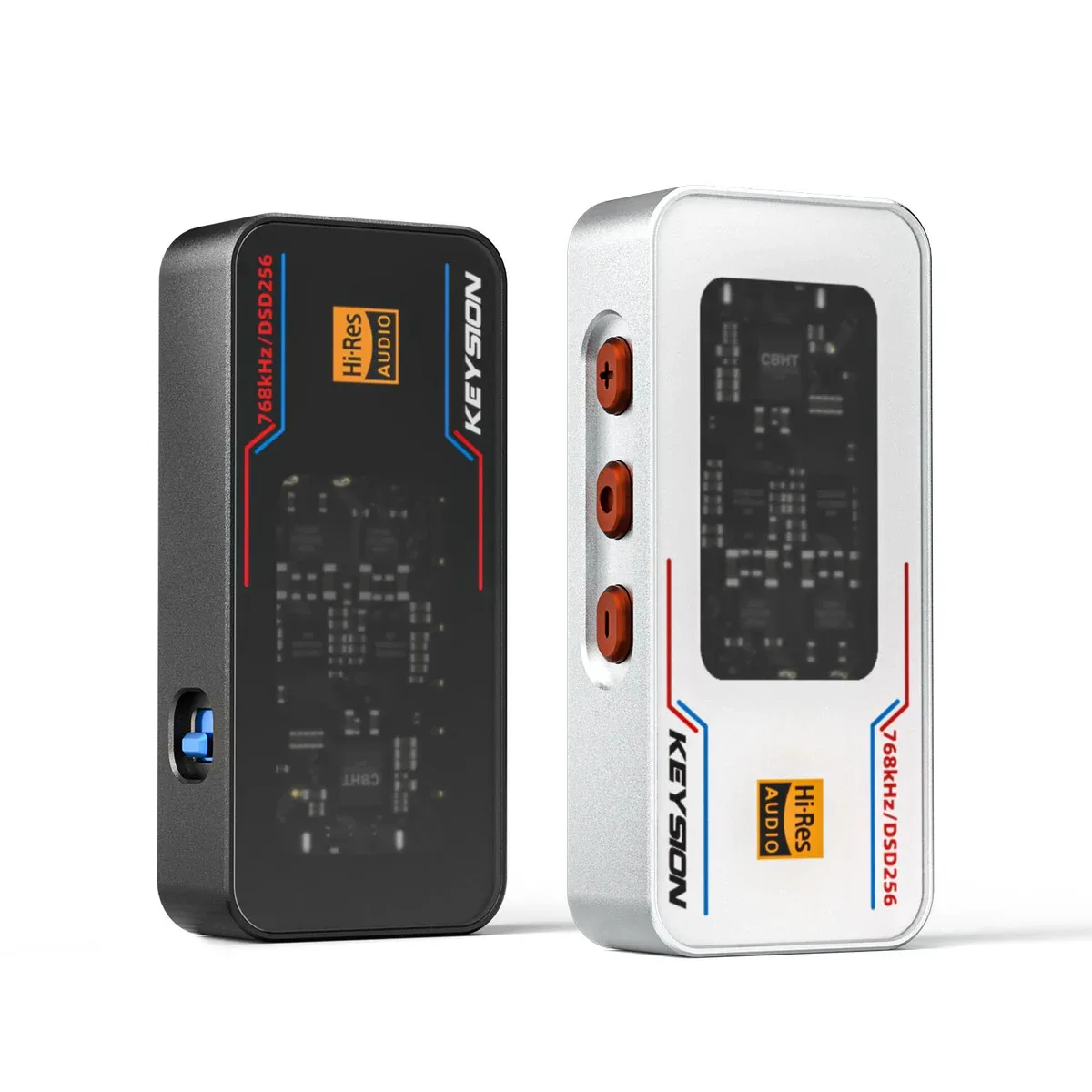
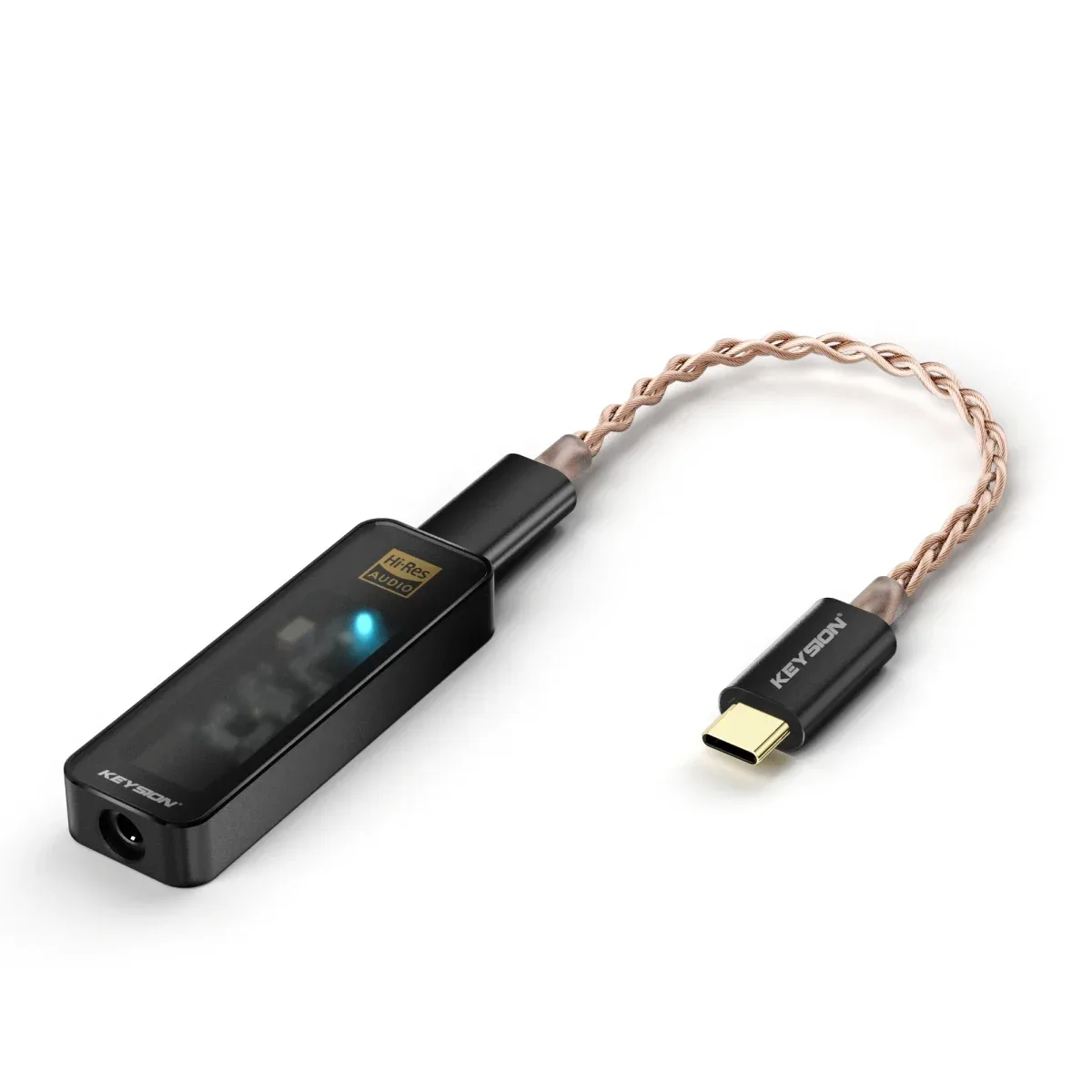
Using a dongle with its own DAC like the KEYSION S2 as the control, headphones stay the same and only the phone’s Bluetooth codec changes, which isolates the influence of the encoding stage fairly cleanly. In the measurements, LDAC at the 660kbps tier shows an audible difference from SBC in high-frequency extension and cymbal decay, but the gap between SBC and aptX, and between aptX and LDAC’s lower tier, is much smaller. A lot of people can’t tell them apart in blind tests.
To reproduce the test, you can reuse the latency-measuring method in our other post on why Bluetooth headphones lag in games, which also lets you check the stability of different codecs along the way.
Straight to the point: if you mostly listen to podcasts, take calls, and watch video, SBC or AAC is enough, no upgrade needed. If you often listen to instrumental music, chase high-frequency detail, and mostly listen in a stable-signal room like your home office, aptX HD or LDAC’s high tier is worth it. If you’re often in messy-signal places and care about a steady connection, aptX Adaptive is the more rational pick than LDAC.
One thing to keep in mind: the loss from the Bluetooth link itself is usually smaller than the tonal differences between headphone drivers. Check whether the headphones are worth it first, then talk about codecs.
Android’s developer options show the current Bluetooth encoding; the iPhone doesn’t display it directly and needs third-party software. The steps are simple and listed in the FAQ at the bottom.
About the author: the KEYSION acoustics team. Questions are welcome in the comments and we read every one. You can also read our detailed latency test on Bluetooth headphones and gaming for more on where wireless-link loss comes from.
FAQ
How can I see which Bluetooth codec my Android phone is using right now?
Go into Developer options, find the item “Bluetooth audio codec”, and the dropdown shows the currently selected codec. If Developer options isn’t enabled, tap “Build number” seven times to unlock it; the menu location varies a bit by brand.
Can you actually hear the difference between SBC and AAC?
Sometimes, but it depends on the source and the headphones. When the driver resolves little detail and the source bitrate is modest, the gap between SBC and AAC is small and most people can’t tell in blind tests. On tracks rich in high-frequency detail with a capable headphone, AAC feels slightly smoother.
Is a higher LDAC bitrate always better?
Not necessarily. 990kbps demands a strong signal, and once interference shows up it steps down automatically, which can end up less stable than a steady aptX HD. Only the high tier under a stable connection matters; don’t chase the marketing numbers alone.
If both my phone and headphones support LDAC, will it always run at full bitrate?
No. The actual tier depends on signal quality, distance, and interference, and the system adjusts dynamically. Behind a wall or with a saturated Wi-Fi network, it will likely drop to the mid or low tier.
Will a higher-bitrate codec always make the sound better?
Not a guarantee. Headphone tuning, EQ, and how sensitive your ears are can all outweigh the encoding differences. Keep expectations in check: the codec is one link in the chain, not the end.
Related products
Related articles