What Is Bluetooth Multipoint? How One Headset Connects to a Phone and a PC at Once (with the KEYSION S2 and 01)
Your phone sits in the living room, your PC is in the study, and you want one headset connected to both. Answering a call means manually disconnecting Bluetooth and pairing again. Bluetooth multipoint exists for exactly this. It keeps a headset live on two devices at once and switches to whichever one is playing. The convenience is real, but some headsets pay for it with a lower codec or shakier links. This guide covers how multipoint differs from device memory, what it costs in sound and latency, and what to check when the switch misbehaves.
What is Bluetooth multipoint?
Multipoint is a connection mode: the headset stays connected to two or more sources at the same time, and audio follows whichever source is playing or receiving a call, without manual re-pairing. It is not the same as remembering several pairings. Memory only stores device details while the headset stays connected to one device.
Multipoint, device memory and single point
| Mode | Live connections | How it switches | What this means |
|---|---|---|---|
| Single point | 1 | You disconnect and connect the other manually | Most efficient and stable, but switching is a chore |
| Device memory | Two saved, one live | Usually manual, or wait for the old device to drop | A little easier than single point, still slow |
| Multipoint | Two live at once | Automatic on playback or an incoming call | Easiest for phone plus PC, but may cost specifications |
Many products advertised as dual connection are really device memory. With true multipoint, both devices appear in the headset's connection list at the same time.
Why multipoint can lower sound quality
Multipoint splits the Bluetooth link between two devices, so the headset divides bandwidth and radio time across both. Two things can happen: some headsets fall back to a lower codec in multipoint mode (LDAC dropping to AAC, for example), and the signal budget is thinned, leaving less margin against interference. Neither is guaranteed; it depends on the chipset and firmware. For what the codecs themselves give up, see Bluetooth Codecs Compared.
How long does switching take?
Latency varies a lot. A well-tuned headset switches almost instantly when you pause device A and start device B. A weaker one takes one to several seconds, and sometimes you must pause the old device first. When both devices play at once (a PC video plus a phone notification), some headsets play only one link and mute the other. Gaming is more sensitive to this; see Bluetooth Latency.
When multipoint keeps misbehaving
The problem is usually on the device side, not the headset. Common causes are two devices fighting over the audio link, conflicting Bluetooth stacks, or an old device that never released the connection. When a phone and a laptop both hold the link, some laptops grab the headset back, a classic multipoint conflict. For the wider picture, see Bluetooth Pairing Troubleshooting.
Which devices support multipoint?
Multipoint is not mandatory in the Bluetooth standard; the headset's chipset and codec stack must support it. It is common in mid-range and premium over-ears and true wireless earbuds, and rare in very cheap models. On laptops, Windows and macOS have improved their multipoint support, but behaviour varies with the audio driver. When shopping, look for an explicit mention of multipoint, not just dual connection.
When wired makes more sense
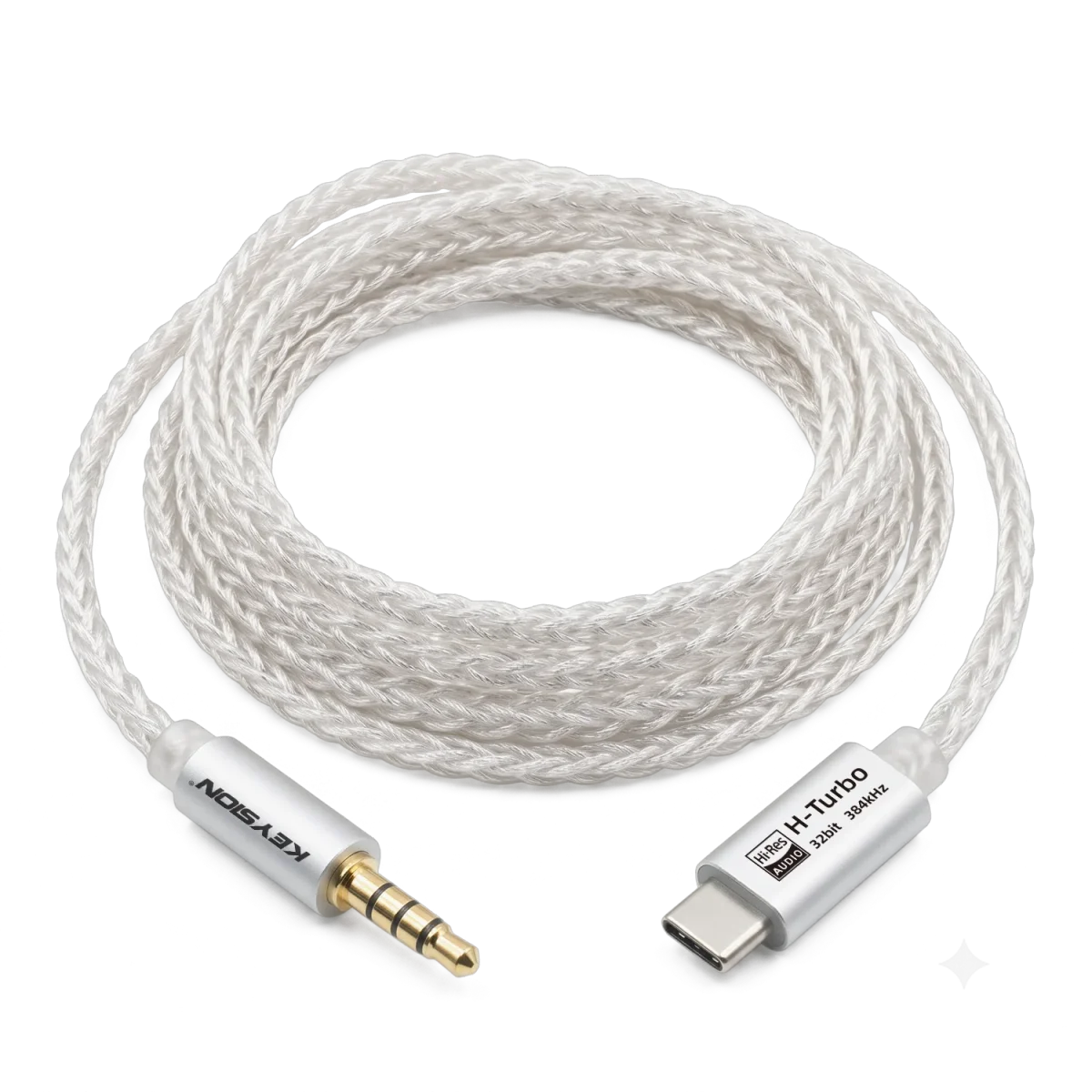
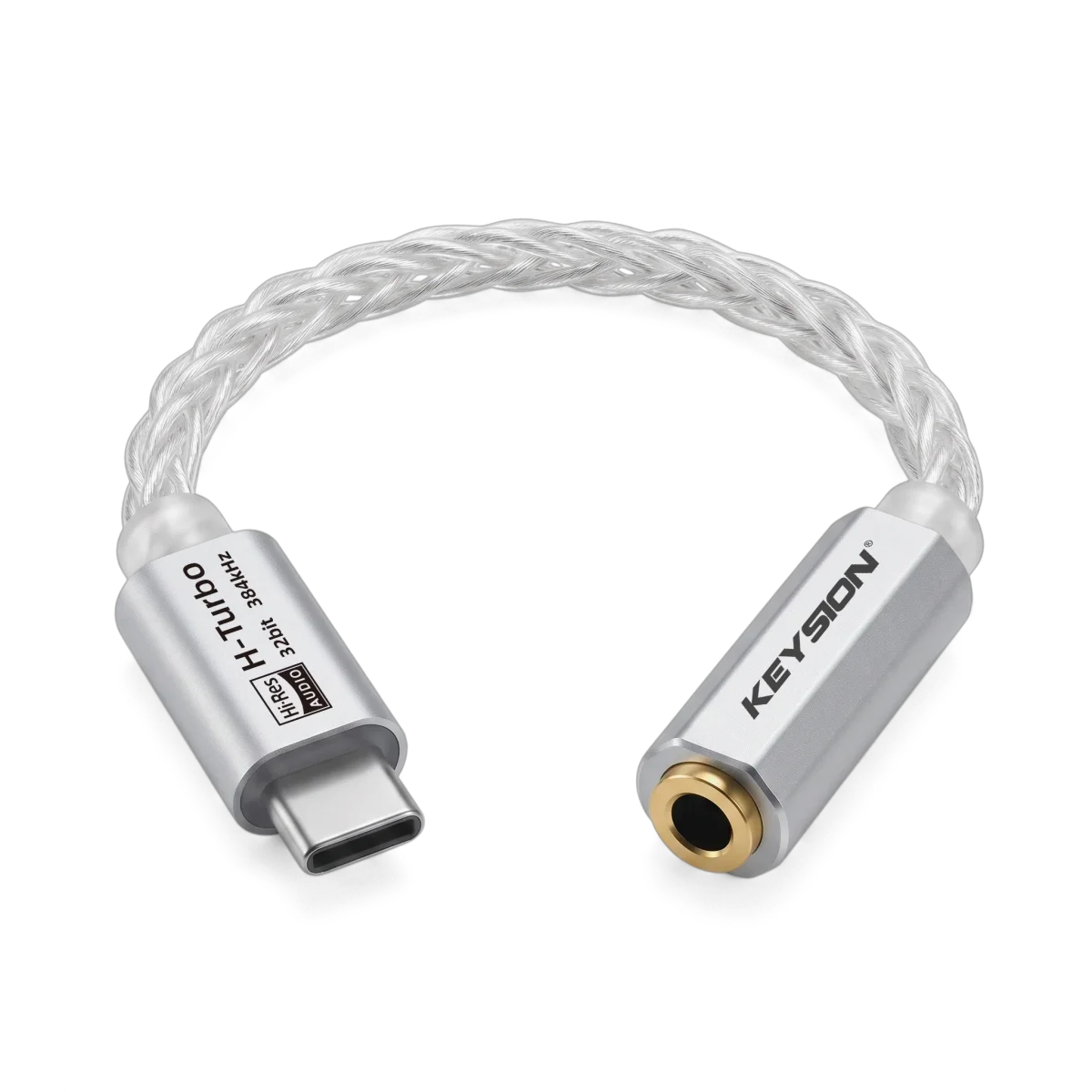
If sound quality and stability come first, wired is still the simplest path. Take H-Turbo S2: a portable DAC/amp with Type C in and 3.5mm out, listed at CNY 59 (USD 9), with no codec or switching worries once plugged in. KEYSION 01 handles 32bit/384kHz decoding at CNY 219 (USD 33) and suits a fixed pairing with one headphone. For higher specifications and a 4.4mm balanced output, look at 02 Pro at CNY 499 (USD 76). Wired and Bluetooth are not rivals: use Bluetooth for convenience on the move and switch to wired for serious listening, the trade-off discussed in Dongle DAC vs Bluetooth Amp.
Should you care about multipoint?
It depends on how often you switch devices. If you move between a phone and a PC and take calls often, multipoint saves real time. If you use one device, or you care about sound and latency, single point with manual switching is steadier. Multipoint buys convenience, not fidelity.
Each mode trades something. Decide which device you listen on most, then decide whether multipoint is worth it.
Written by the KEYSION audio content team. We test portable DAC/amps and Bluetooth devices over long periods; the specifications and prices for the S2, 01 and 02 Pro come from the official pages. Real multipoint behaviour changes with firmware, so treat your own gear as the reference.
FAQ
Is multipoint the same as device memory?
No. Multipoint keeps two devices live at once and follows whichever plays. Device memory only stores two devices while the headset stays connected to one, and switching is usually manual or waits for the old device to drop. Check which term the spec sheet uses.
Does enabling multipoint clearly hurt sound quality?
Not always, but it can. Some headsets drop to a simpler codec in multipoint mode, LDAC to AAC for instance, and the margin against interference narrows. If your gear is revealing, compare multipoint on and off for yourself.
What happens when both devices are playing?
Most headsets play one link and mute or pause the other, depending on firmware. An incoming call usually takes priority. If both are playing, expect sound from only one of them.
Multipoint is unstable. Is the headset broken?
Usually the problem is on the device side: two devices fighting over the audio link, conflicting Bluetooth stacks, or an old device that never released the connection. Turn off Bluetooth on the device you do not need and check system versions before blaming the headset.
Do I still need a wired option?
If you care about sound and latency, yes. Bluetooth is a compressed link and has to handle multipoint switching on top. Keeping a portable DAC/amp for serious, seated listening is common, and the two do not conflict.
Related products
Related articles