Is headphone burn-in real, or just in your head? Mechanical aging, ear adaptation, or psychology
Can burn-in change the way headphones sound? Put simply, headphone drivers and cables do undergo small physical changes with use, but most of what you hear between “first play” and “fully opened up” more likely comes from your ears and brain gradually adapting, rather than from the hardware itself doing much. This post breaks down mechanical aging, ear adaptation, and subjective expectation one by one, helps you decide whether you really need to burn in your gear, and covers whether a KEYSION upgrade cable on hand actually needs “burning in”.
The premise behind burn-in is that a new driver’s diaphragm, surround, and voice coil haven’t “loosened up” yet and need some time in motion before they open up. The claim holds up at the mechanical level, but the magnitude is small. A dynamic driver’s surround softens slightly after repeated vibration, and its compliance rises a bit. That shows up in measurements, but mostly stabilizes within the first few dozen hours, and the “growth curve” after that is short.
Cables are a different matter. The state of copper, silver, and silver-plated conductors is almost entirely set by the material and geometry of the conductor. Resistance, capacitance, and inductance do not change because you listen for a few hundred more hours. The common explanation for “burning in a cable” is that plugging and unplugging wears off the oxide layer and lowers contact resistance slightly. Yet this variation is too small for most people to pick out by ear, while the effects of noise and poor contact are actually more common.
Since the physical change is this small, why do so many people insist that “after burning in it clearly sounds better”? There are three mostly non-physical reasons.
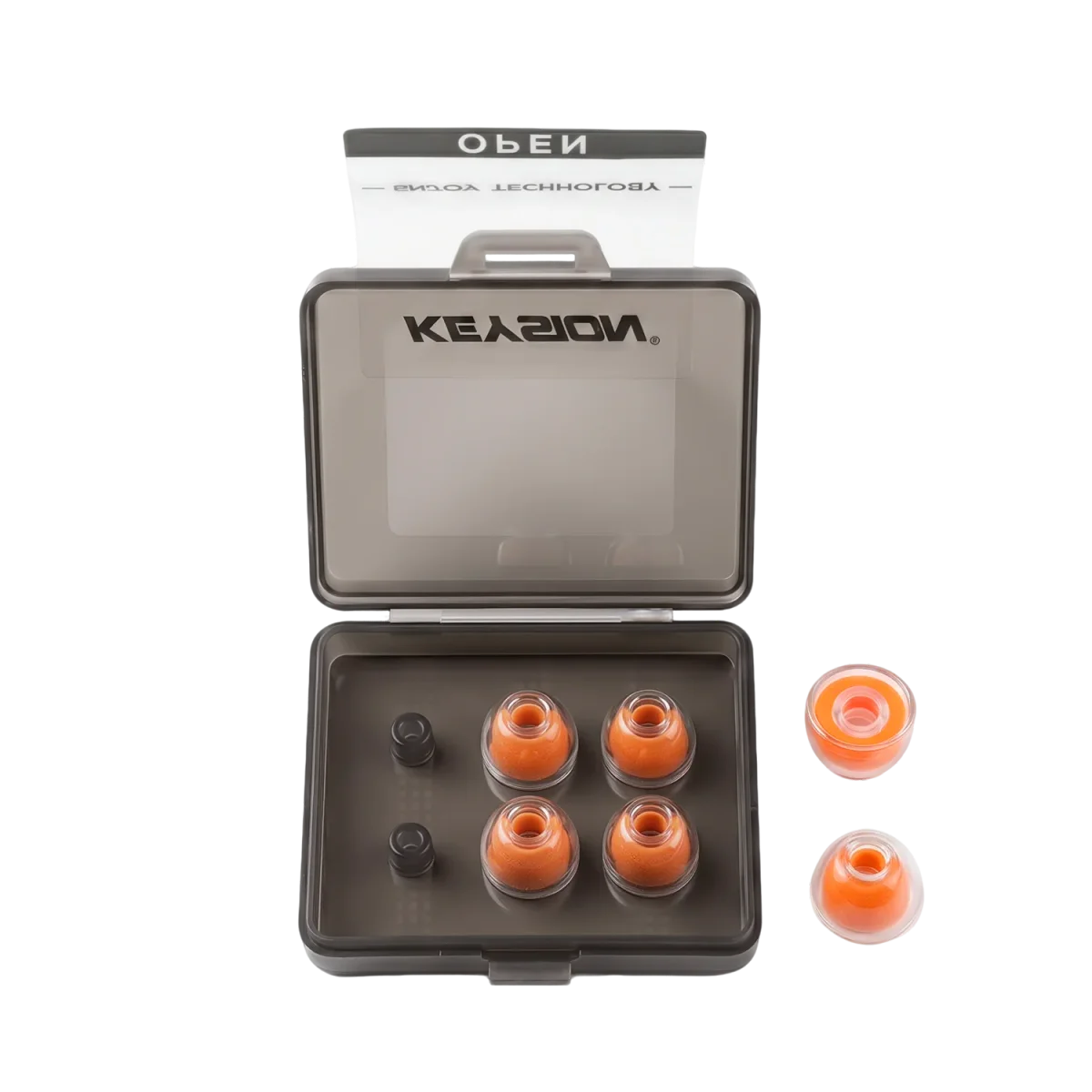
One is expectation. You spent money on an over-ear headphone upgrade cable, and you naturally want it to get more valuable the longer you use it, so the brain reads the sound in the direction of “better”. Another is auditory adaptation. Your ears also spend the first days adjusting volume, fit, and listening habits, and taken together these often change your subjective experience more than driver aging does. The third is environmental variables. Changes in the fit of ear pads and eartips genuinely alter leakage and low-frequency response.
That is also why “burn-in differences” keep failing in blind tests. Blindfolded, with the same cable switched between “new” and “burned-in” states, most testers cannot give a stable, consistent answer. Once they know which one has been burned in, their judgment becomes unreliable.
A frequency response curve is the most direct tool for turning abstract listening impressions into numbers. When you measure headphones or cables “before and after” burn-in, the conclusion is usually mild. Most frequency bands almost overlap, and only at an isolated frequency point or two is there a shift of a few tenths of a dB, and even the direction varies by person. That does not match the marketing story of “the smoother it gets the more it burns in, deeper bass”.
| Dimension | Measured result after hours of burn-in | What it means |
|---|---|---|
| Frequency response | Most bands almost overlap | Do not expect burn-in to change the character; the difference is mainly in your head |
| Driver compliance | Only a slight change in the first few dozen hours | “Opened up” mostly happens within the first few dozen hours |
| Cable resistance | Basically unchanged, only tiny contact variation | The payoff from burning in a cable is very low |
| Subjective listening | Strongly affected by expectation and adaptation | Most people cannot reliably tell the difference blind |
What this table means: the change at the hardware level is real but not obvious, while the change at the subjective level is obvious but comes more from you. If you want to genuinely raise bass and isolation, first adjust poorly-matching eartips and EQ well. That costs far less than “just leaving it a while to burn in”.
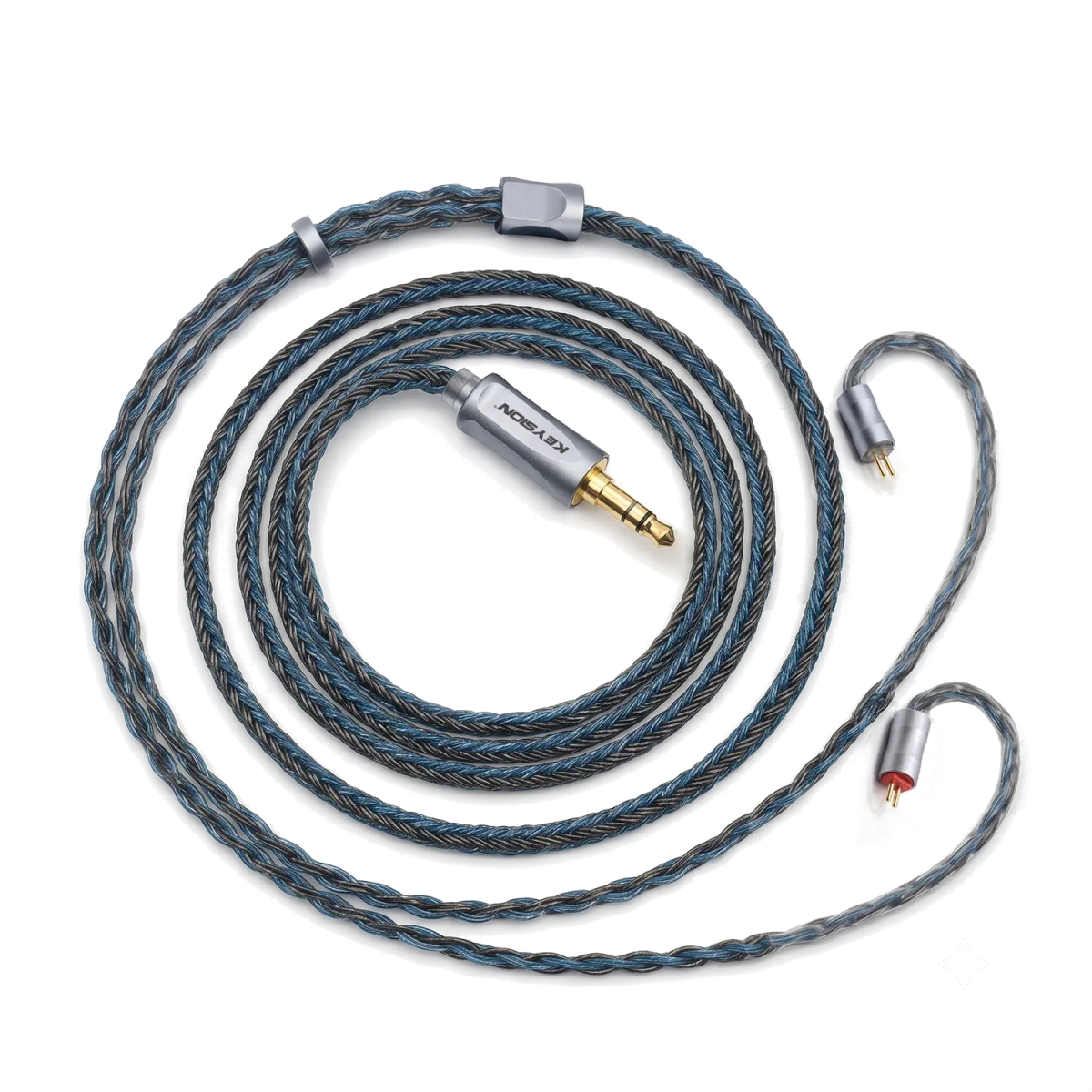
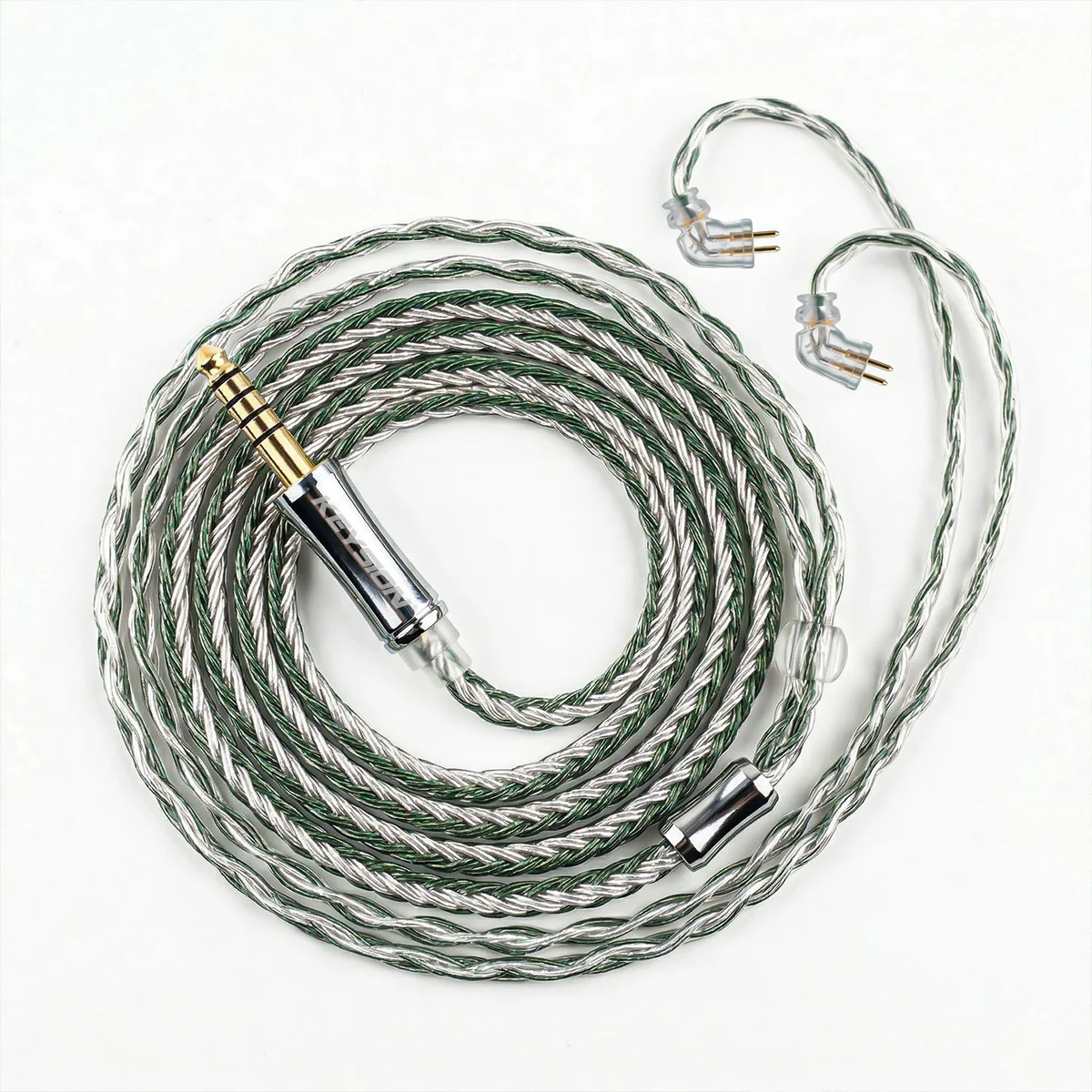
Probably not. The conductor itself does not need burn-in. What matters is that the plug’s contact surface wears slightly during plugging and unplugging, which is normal wear, not optimization. If you bought a silver-plated cable like the 16-strand green-silver braided oxygen-free copper upgrade cable, the real concern is whether the shielding and braiding structure suits your gear, not how long it has been powered. If you want the sound to move in a certain direction, changing cable material (copper warmer, silver brighter) is more controllable than waiting for it to “cook”.
My advice: no need to make a point of it. Listen normally for a month. If you feel it is “settled”, it is likely that you have adapted to it, not that it has gotten better. If you notice no change, that is completely normal, too. Using white noise to “blast” for a few hundred hours to hasten mechanical aging buys very little marginal benefit and occupies the headphones and front-end you actually want to listen to. Put your effort into source, EQ, and fit, and those move your listening experience more directly.
During burn-in, do not push the volume into distortion. Use your usual comfortable listening level. Excess volume costs you hearing and does not speed up “opening up”. For a more systematic treatment of what shapes sound, see Headphone Power, Impedance & Sensitivity Guide and Lossless Formats & Bluetooth Codecs Guide.
Overall, burn-in is “real but low-yield, and largely in the head”. Treating it as “mostly usable out of the box, don’t expect too much” lets you fuss less and saves pointless mental investment.
Author: the KEYSION Acoustics Studio. We insist on explaining HIFI with measured data and reproducible methods. For related parameter concepts, see Cable Purity & Litz Structure Explained.
FAQ
Do headphones really need burn-in?
Drivers and cables do change slightly, but most of the “improvement” people hear simply comes from ears and brain adapting, not the hardware. Just listen normally; no need to force burn-in.
How long until you can notice a change?
The measurable change in compliance mostly shows up in the first few dozen hours. Any difference afterwards comes more from expectation and auditory adaptation, and it varies a lot from person to person.
Do headphone cables need burn-in?
Basically no. A conductor’s electrical properties are set by material and structure and do not change with hours of use; plug wear is normal wear. “Better the more it burns in” is mostly a psychological effect.
Can white-noise burn-in damage my headphones?
At normal volume it will not damage them right away, but prolonged high-volume “aging” can speed up fatigue and possibly mask other problems. Listening at everyday volume is the safer route.
Related products
Related articles