IEM Upgrade Cable Buying Guide: Connectors, Plugs, Strands, Solder - Four Steps to Choose Right Without Pitfalls
Upgrade cables are the most common first "tweaking" project for IEM players, and also the category with the highest return rate—most disputes stem from not understanding the pin connector type. This article breaks down the purchase into four steps; follow them and you won't go wrong.
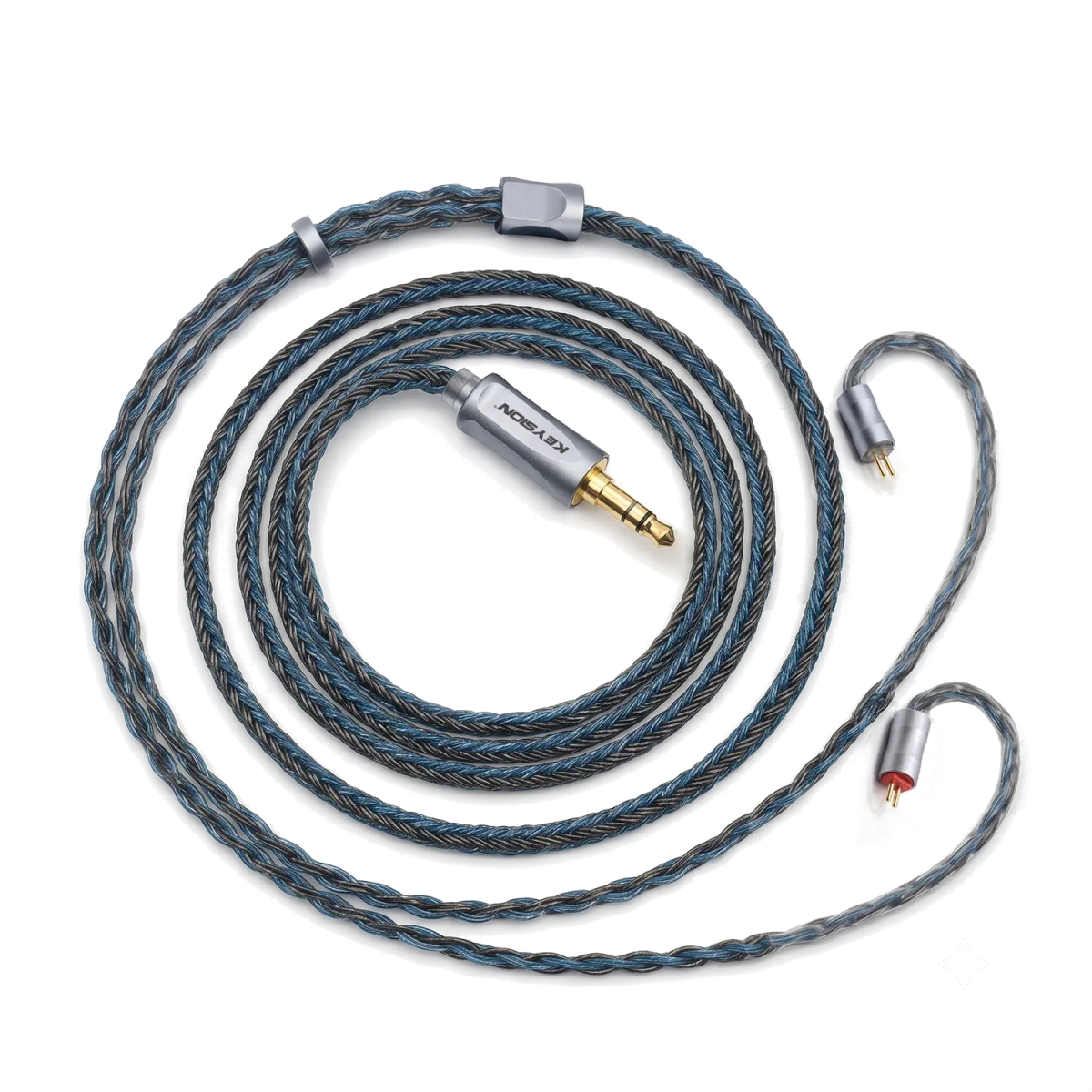
Domestic cables with replaceable plugs commonly have three pin types: MMXC (circular pin with threaded rotation, universal but prone to wear), 0.78mm 2Pin (dual-pin straight insertion, currently mainstream), TFZ (thickened dual-pin, used in some domestic earphones). How to confirm: check the model parameters, or look at the original cable—if it's round and screws out, it's MMXC; if it's dual-pin and pulls out, it's 2Pin. KEYSION cables select the pin type when ordering. 16G / 24G / 24G-5N support all three types, while 3in1 and MIc01 support both MMXC and 2Pin.
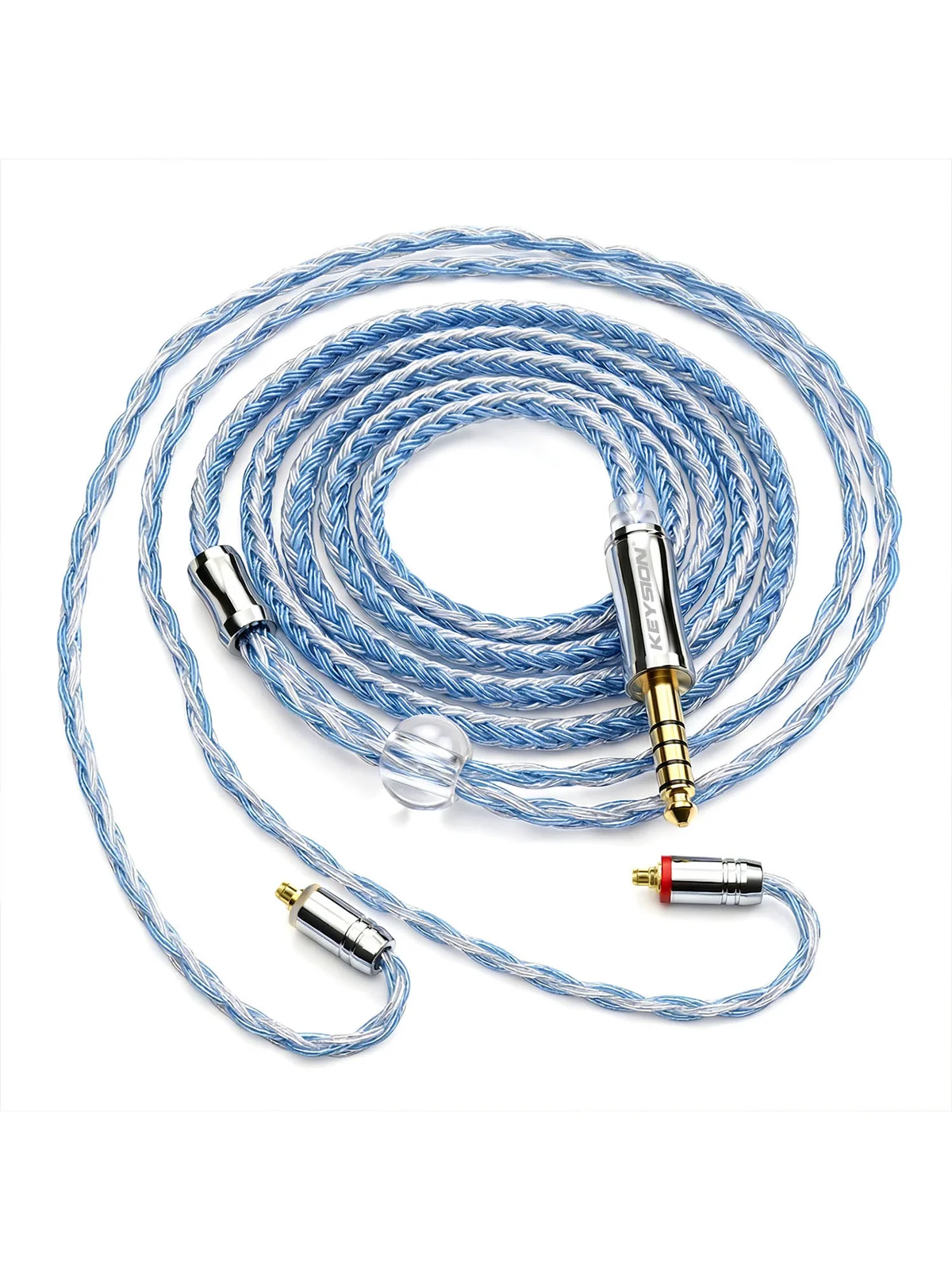
3.5mm single-ended is the greatest common divisor; 4.4mm balanced is the current mainstream balanced port, usually with better thrust and channel separation; 2.5mm balanced is the previous generation standard, only found on old players. If the source has 4.4mm, prioritize 4.4mm; if the source only has 3.5mm, choose single-ended, and don't pay extra for a port you can't use. If your source's connectors are a mess, see 3-in-1 3in1.
| Strands | Representative Models | Features |
|---|---|---|
| 4-strand | 3in1 | Thinnest and lightest, pocket-friendly |
| 8-strand | MIc01 / S35 | A compromise between lightness and sturdiness |
| 16-strand | 16G | The sweet spot for your first upgrade cable |
| 24-strand | 24G / 24G-5N | Maximum density and soundstage character |
The number of strands affects the cable thickness, softness, and the "density" of the sound. Under the same material, the difference is at the character level; choosing the highest strand count within your budget is usually a safe bet.
Soldering is the most common area where upgrade cables cut corners. KEYSION multi-strand cables use WTB silver-bearing solder, which offers better conductivity and aging resistance than ordinary solder. When you receive the cable, you can inspect it yourself: check whether the heat shrink at the base of the connector is neat and whether the splitter is loose.
- First cable, budget within 150 → 16G (CNY 128, USD 19)
- Multiple devices and interfaces → 3in1 (CNY 128, USD 19)
- Need microphone inline control → MIc01 (CNY 99, USD 15)
- Flagship earbuds upgrade cable → 24G-5N (CNY 228, USD 35) or 24G (CNY 168, USD 25)
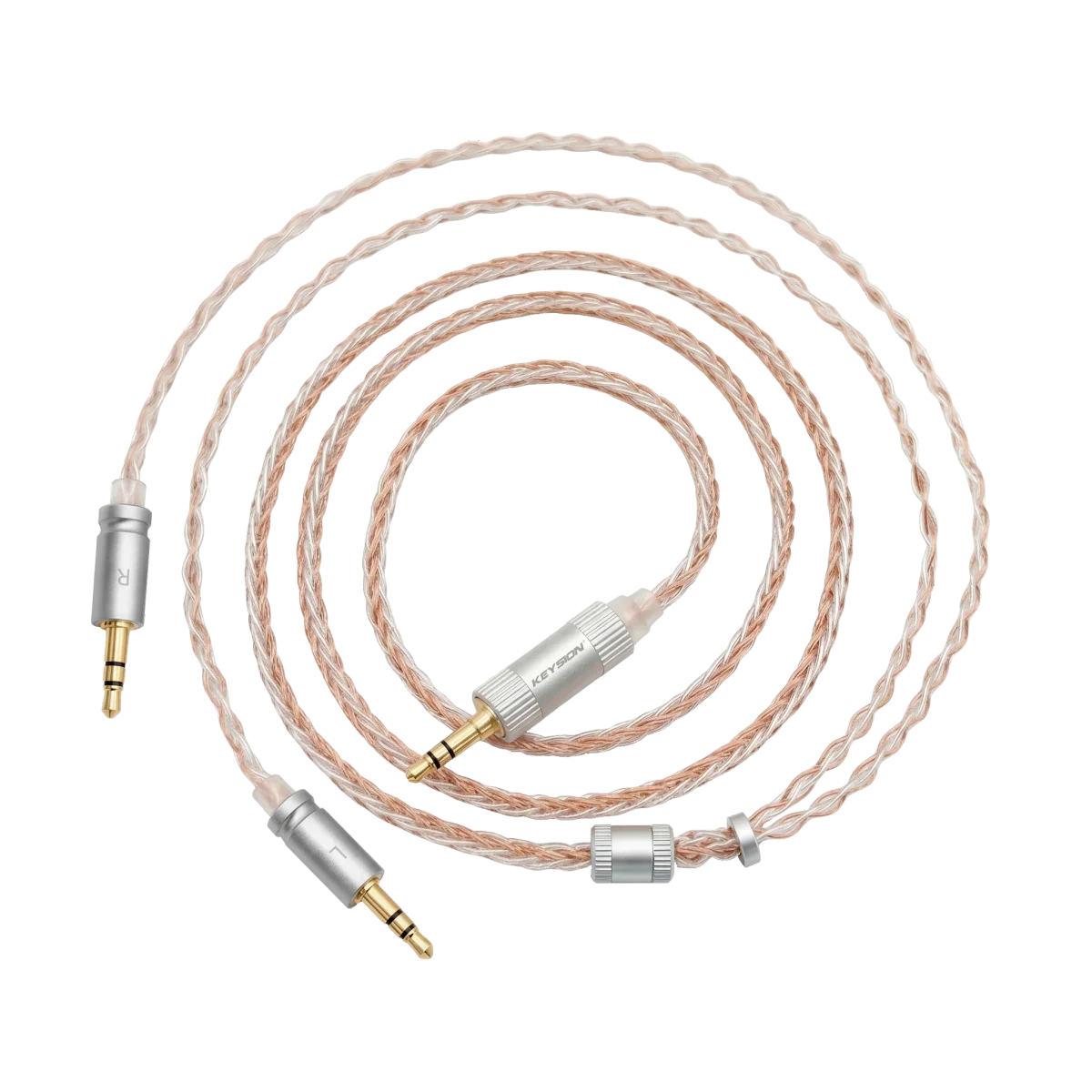
- Over-ear with dual 3.5mm → S35 / S35-31
FAQ
Can an upgrade cable really improve sound quality?
Perceivable changes are usually aspects like soundstage width and treble smoothness; improvement is most noticeable when the original cable has poor contact or material. Expectations should be reasonable: changing the cable is an "optimization," not "changing the earphone."
Which is better: MMXC or 2-Pin?
2-Pin is more convenient to plug and unplug, has less long-term wear, and is currently the mainstream; MMXC allows rotation, offering flexible adjustment during wear, but the rotating mechanism tends to loosen. Choose according to the connector type supported by the earphone; if there's no choice, you have to go with what it has.
For the same earphones, is a 4.4mm balanced cable significantly better than a 3.5mm?
Premise is that front-end balanced output is stronger (mostly true): more driving power, better separation. The size of difference depends on the headphone; improvements on IEMs are usually mild.
How to choose between 1.2m and 1.5m cable length?
For on-the-go, 1.2m is sufficient and less tangled; for desktop use with computer/amp, choose 1.5m for more freedom.