Memory Foam Eartips: Do They Really Boost Bass and Isolation? 30A, Tested
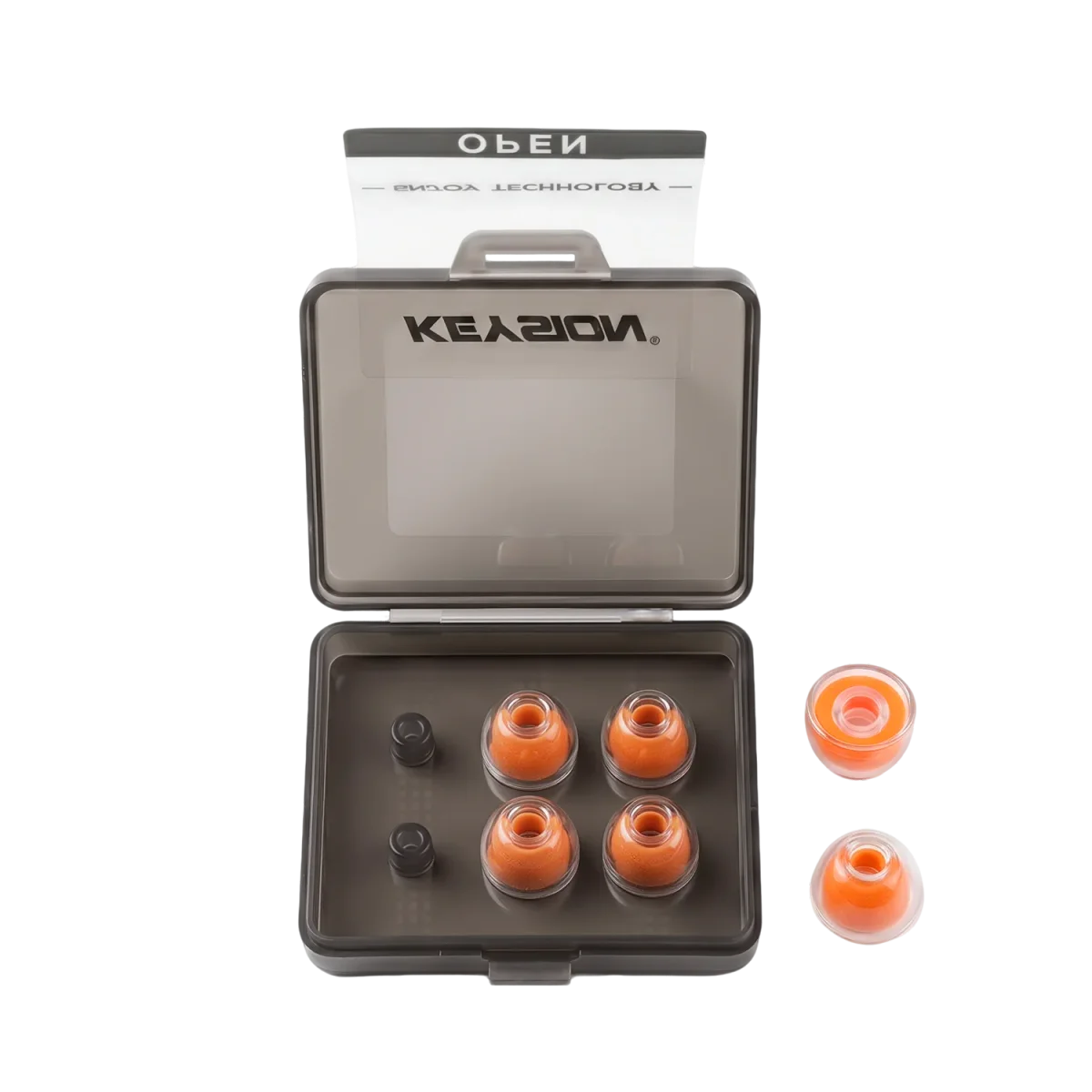
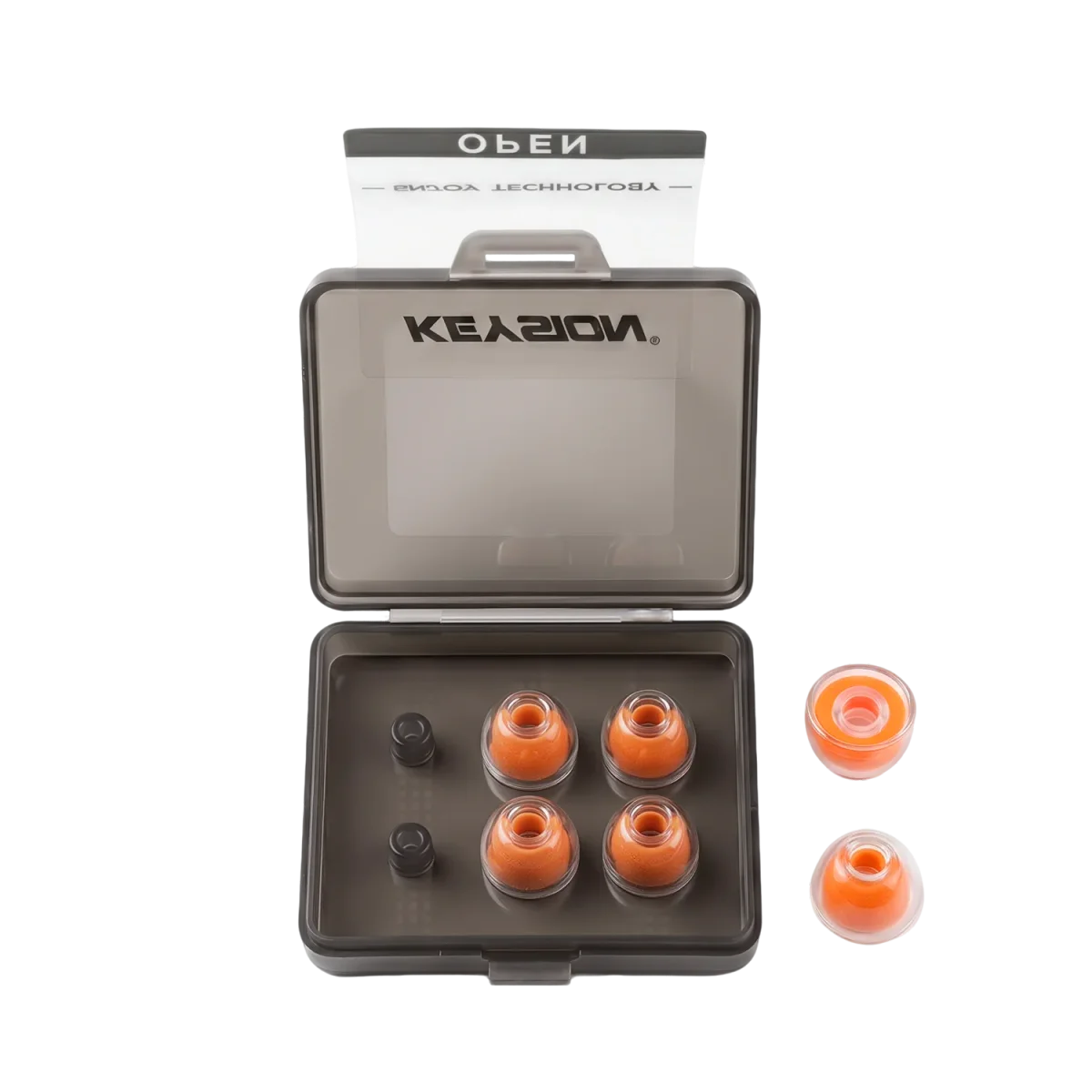
Ear tips are the cheapest upgrade in the entire audio chain and also the most easily overlooked part. These ear tips use 30A liquid silicone wrapped around slow-rebound memory foam: pinch them thin, insert, and wait for them to expand on their own in your ear canal—the seal is on a different level compared to silicone tips.
| Parameter | Value | What It Means |
|---|---|---|
| Outer layer | 30A liquid silicone | Finer and skin-friendly than ordinary silicone, reducing ear canal itching |
| Core layer | Slow-rebound memory foam | Slowly rebounds after pressure, conforming to ear canal shape |
| Sizes | L / M / S | Three sizes cover most ear canals |
The slow-rebound structure brings three direct changes: better sealing (low frequencies are no longer lost, drum beats have a "chest feel"); more stable fit (won't easily loosen when shaking head or running); better passive noise isolation (subway commute volume can be turned down by two or three notches, which is real protection for hearing).
The trade-offs should also be clear: foam absorbs ear canal oils and sweat, so lifespan is shorter than silicone (generally replace every one to three months); high frequencies are slightly attenuated, making the sound warmer—those who prefer bright highs may need to adapt.
After putting it on, squeeze it flat first, then insert into the ear. Wait a few seconds for it to rebound and seal. Choose the size based on "it doesn't fall off when you gently turn your head after wearing". Don't blindly go for the largest. Commuting, sports, and side sleeping are its main scenarios; in a clean office environment, silicone tips are more worry-free.
- Good for: commuters, fitness enthusiasts, people who find bass weak or isolation poor, and those with sensitive ear canals or silicone tip discomfort.
- Not good for: those seeking bright treble, or those who dislike frequently replacing accessories (foam tips are consumables).
FAQ
How to choose between memory foam tips and silicone tips?
Choose foam for sound isolation, bass, and stable fit; choose silicone for easy maintenance, long lifespan, and pure sound. They are not mutually exclusive; using foam for commuting and silicone at home is a common combination.
How often should they be replaced?
Depending on usage frequency, generally one to three months. When you notice slower rebound, hardening, or stickiness on the surface, it's time to replace them—foam is a consumable, and this is a normal characteristic, not a quality issue.
Can they be used with all earphones?
In-ear headphones compatible with nozzle outer diameter. Measure the earphone nozzle diameter before ordering, or refer to the compatibility instructions on the product page.
How to clean and maintain?
It is not recommended to wash the foam tips with water (it affects the rebound structure). Light dust on the surface can be removed with a tape. In summer when you sweat a lot, you can prepare two pairs to alternate and air dry.