What Is Transient Response, and Why It Shapes How Drums and Piano Sound (KEYSION 02 Tested)
Transient response is how quickly a diaphragm follows a sudden change in the signal: the instant a drumstick lands, the moment a piano hammer strikes. Can the diaphragm start at once, and can it stop at once? A slow start smears the drum hit, and a diaphragm that cannot stop lets one note bleed into the next. It shapes punch and how cleanly instruments separate, though it is not the same thing as how much bass you hear.
Two numbers matter: rise time and decay time. A short rise time means the sound starts fast and feels crisp. A short decay time means the tail ends cleanly and instruments stop stepping on each other.
Both values come from diaphragm mass, surround damping, and how firmly the motor controls the moving parts. A lighter diaphragm with stronger control tracks the signal more accurately. Light diaphragms usually give up some deep-bass extension, and that is a design trade-off rather than a clear win. Look at a square-wave plot for the same earphone: steeper edges and less overshoot mean better tracking.
| Driver type | Diaphragm mass | Start and stop | Bass extension | What this means |
|---|---|---|---|---|
| Dynamic | Larger | Moderate | Good | Drums have body and tail, but dense fast passages can blur |
| Balanced armature | Very small | Fast | Weak | Hits land sharply, yet bass ends early and can sound dry |
| Planar | Moderate | Fast | Good | Speed and extension together, at the cost of weight and hard drive |
| Electrostatic | Very light | Very fast | Moderate | Cleanest transients, but needs a dedicated amplifier |
The table combines published diaphragm thickness figures and common measurement curves; any single earphone still comes down to your own listening. The dry quality of a balanced armature is not a flaw, it is the signature of a very fast stop. The softness of a dynamic driver is often read as warmth. To tell tuning from slow transients, listen to the same track across several setups.
The slew rate of an amplifier decides whether it can pass a fast-changing signal intact. Too little slew rate rounds off the corners of a transient, and even a great driver cannot recover what the amp blurred. High output impedance changes damping and lets bass tails drag; that side of things is covered in Output Impedance and Damping.
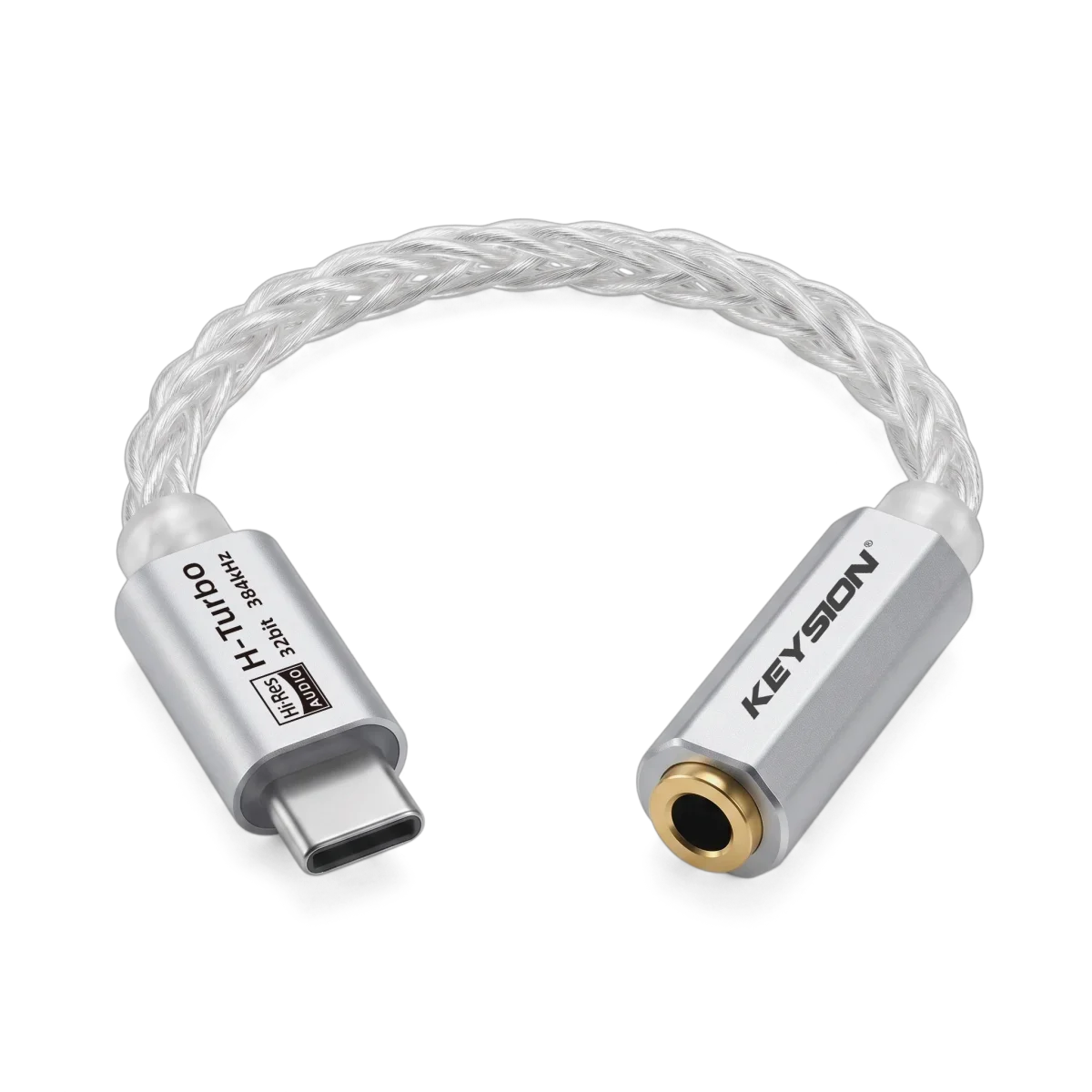
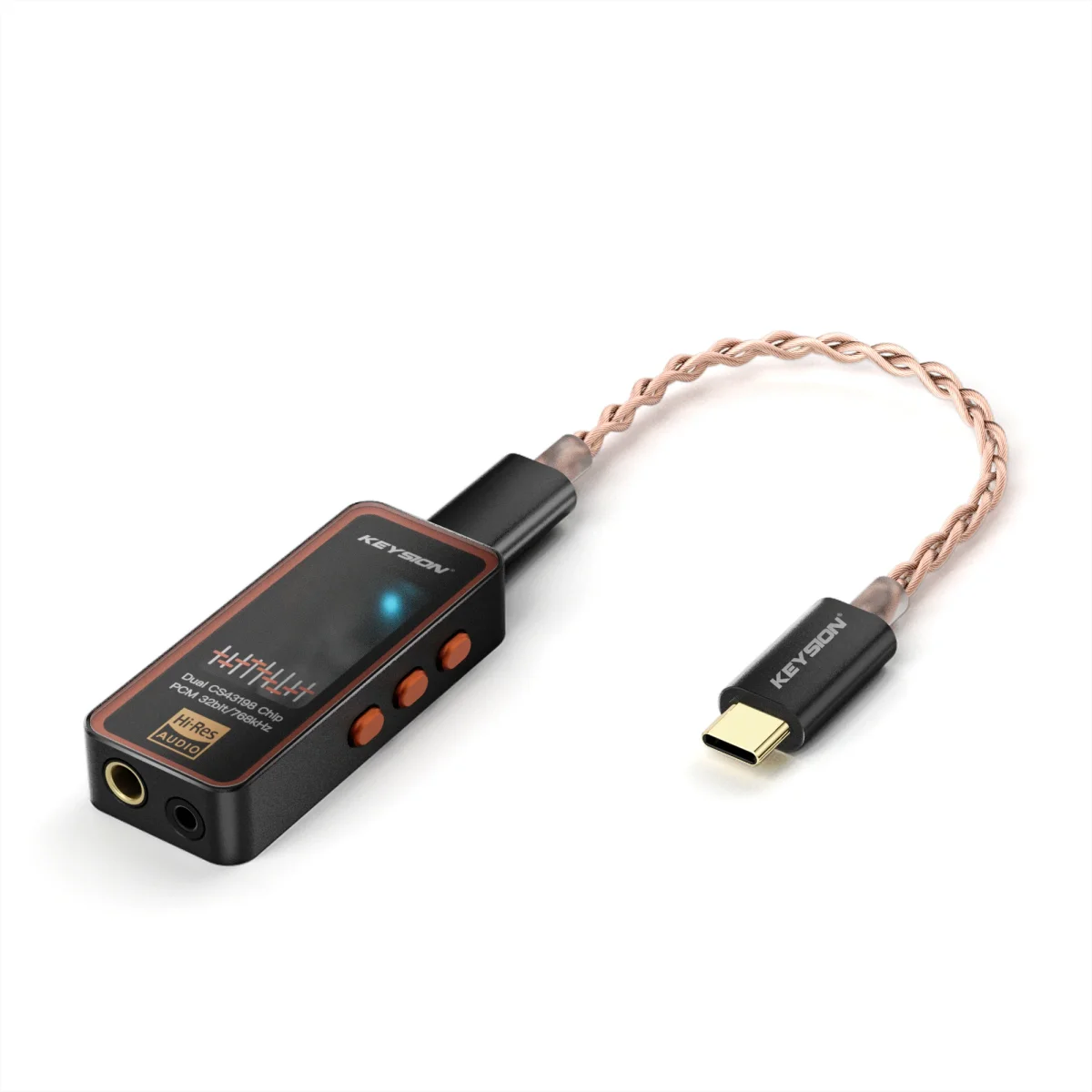
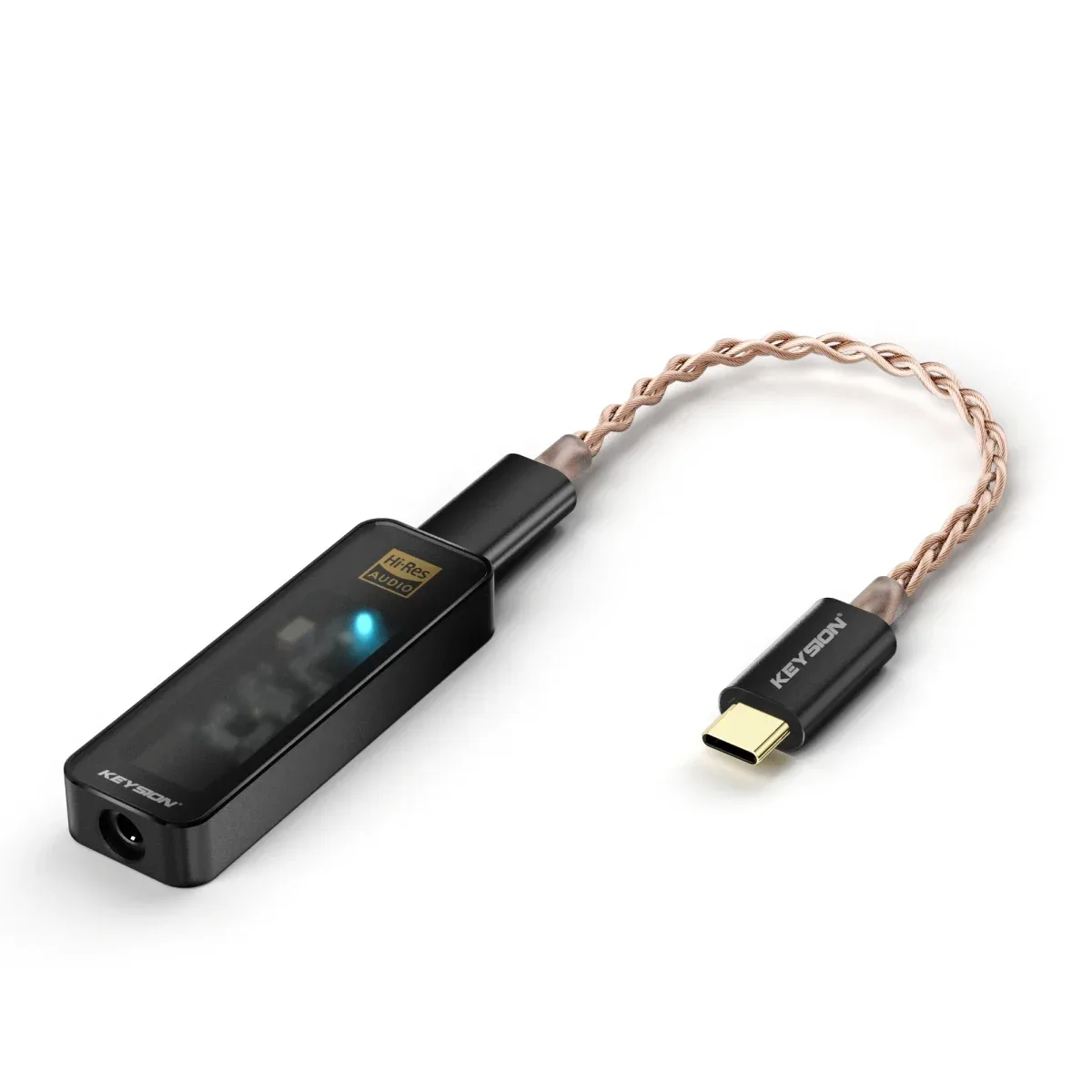
Amplifier class matters too. Class A, AB, and D trade efficiency against distortion in different ways, and the listening differences are often hidden by noise floor. See Amplifier Class A, AB, and D. With a dongle such as 02 or 02 Pro, having enough power is a more practical question than which class wins.
Pick three passages: a dense snare or electronic drum line, a solo piano piece, and a string section playing together. On the drums, check whether each hit lands as a point rather than a blur. On the piano, listen for notes that stay separate instead of sticking together. On the strings, hear whether the mass turns into mush.
Swap the source gear and listen again. If the difference is obvious, the bottleneck sits upstream; if swapping earphones changes more, the driver is the limit. Match levels first, because a gap of one or two dB is enough to mislead you. For a deeper method, see How to Read a Frequency Response Curve.
Dynamic range is the span between the quietest and loudest sound pressure; transient response is tracking speed. People mix the two up constantly. Compression in the recording blunts the edges of a transient, and that happens in the source, not in your earphones. Some pop masters are pushed so hard that the drums arrive soft, and no driver can rebuild the punch that was removed. Check your source before you blame the hardware.
“Good transients always sound better” does not hold. Transients are one variable among many, and tuning, frequency balance, and seal all pull their weight. In blind tests most listeners notice frequency response sooner than transient behavior. Treat it as one tool for judging gear, not the only one.
Written and measured by the KEYSION acoustic content team. Driver categories and theory draw on public technical material, while listening descriptions carry a subjective element. Full specifications appear on the 02 and 02 Pro product pages.
FAQ
What does good transient response actually sound like?
Drum hits land as distinct points and end cleanly, piano notes stay separate instead of sticking together, and fast passages avoid turning to mush. What you gain is clarity and separation, not simply more bass.
Are balanced armature earphones always better than dynamic drivers for transients?
They start faster and stop more sharply, but deep bass usually falls short of a dynamic driver and the sound can feel dry. Whether that suits you depends on your music, not on an absolute ranking of driver types.
Does the source gear really change transient response?
Yes. Too little slew rate rounds off the signal edges, and high output impedance lets bass tails drag. When the same earphone sounds different on another source, these two are usually the reason.
How can I read transient specs on an earphone?
Makers rarely publish a transient figure on its own. Look at square-wave and impulse response plots, where steeper edges and smaller overshoot mean better tracking. For daily use, comparing a fixed set of tracks tells you more.
To improve transients, should I change the earphones or the source gear?
Find the bottleneck first. A big change from swapping the source points upstream; a big change from swapping earphones points to the driver. Match levels and check the seal before you spend anything.