Comprehensive Guide to Dongle DAC Specs: SNR, Distortion, Noise Floor, Power Output - What's Behind the Numbers
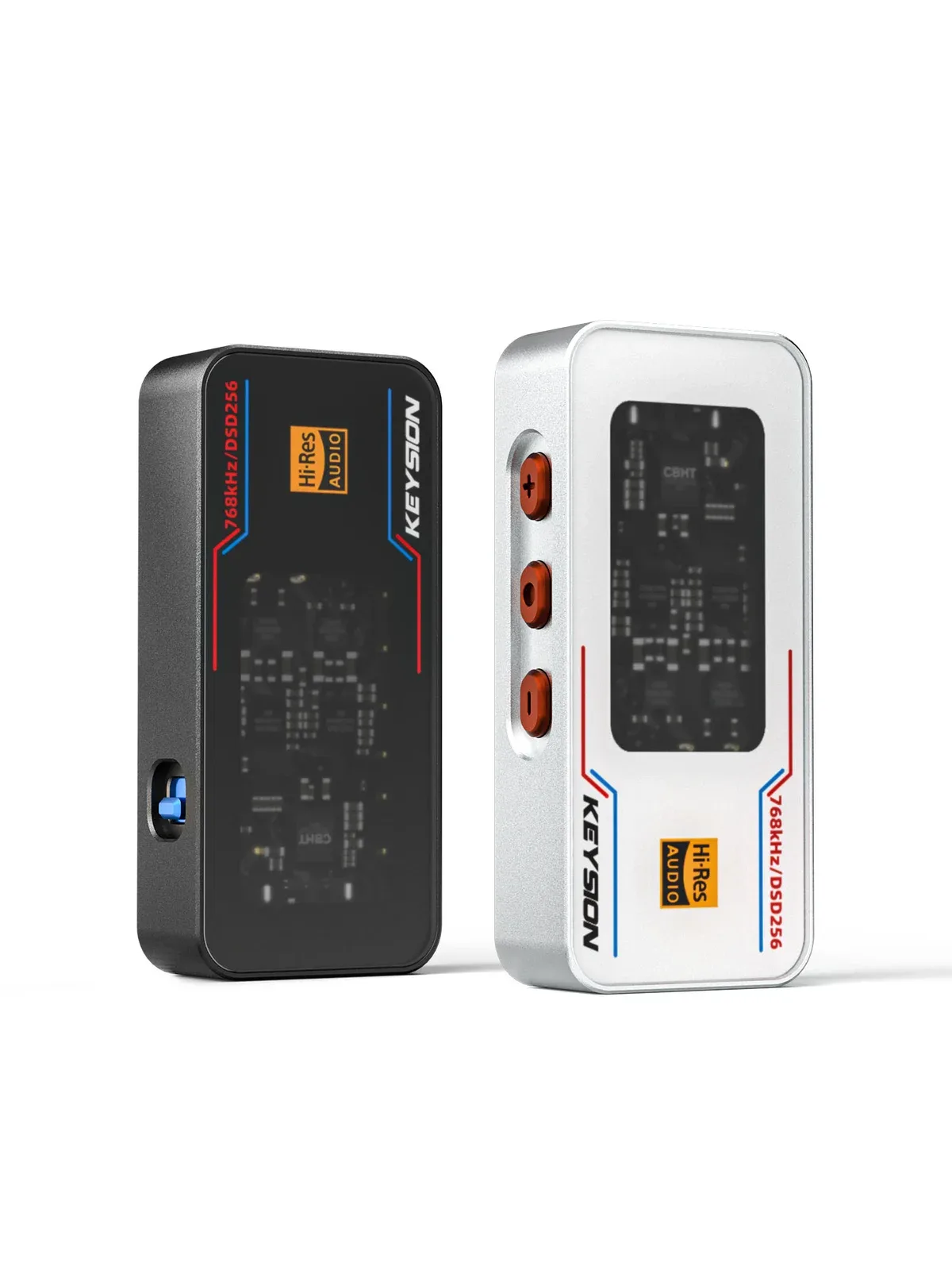
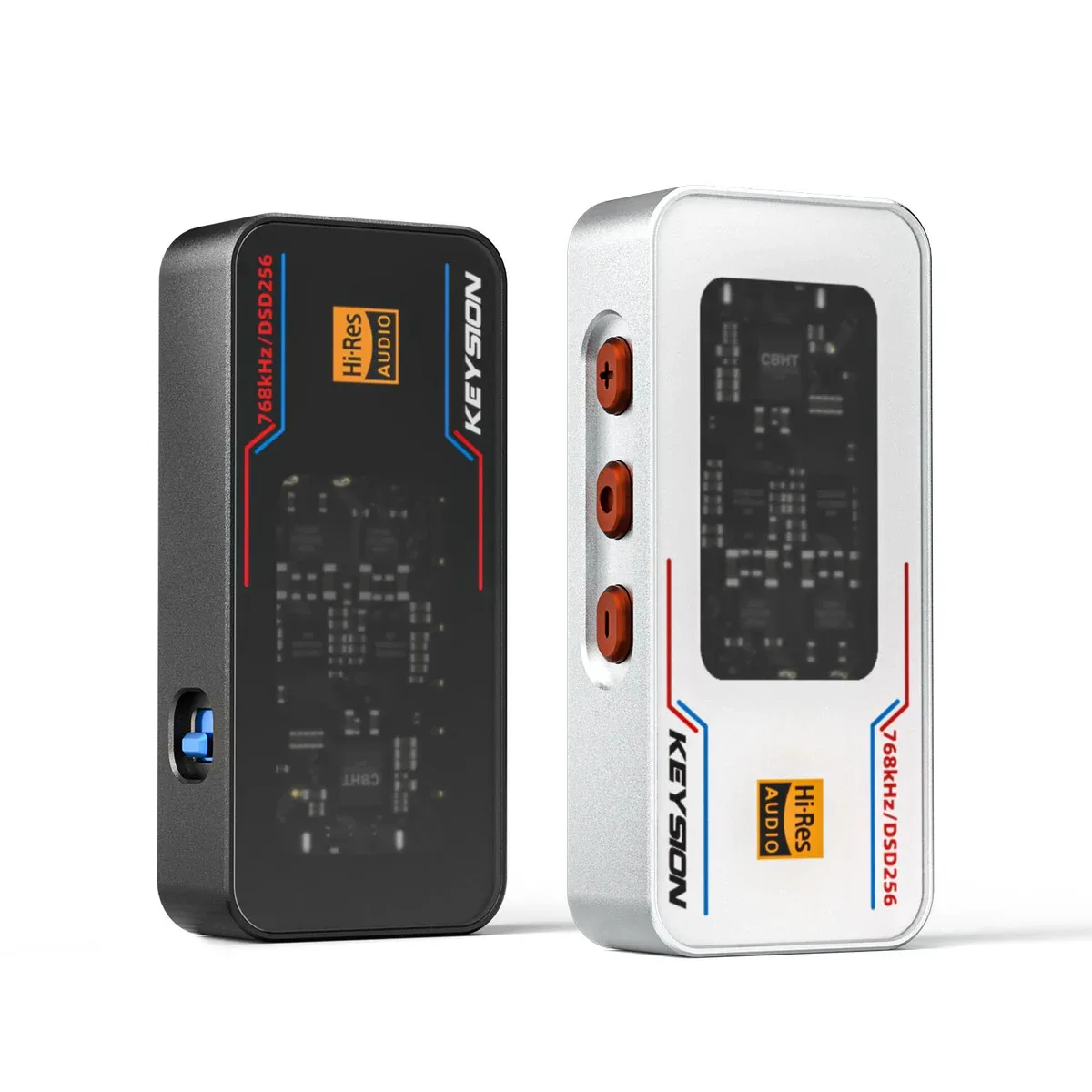
The series of dB and mW on product pages has puzzled many people for years. This article explains it in the order of 'What is it—how much is good—is it worth caring about,' using the public specifications of the entire KEYSION lineup as examples.
The power ratio of signal to noise, in dB, the larger the better. In the industry, above 120dB with high-sensitivity in-ear monitors basically no background noise is audible. For comparison: KEYSION 02 Pro is 135dB (4.4mm), while the entry-level H-Turbo S2 is 105dB—the latter's figure is within normal range for entry-level chips, and in daily environments noise is also inaudible; differences appear in extremely quiet environments at night and with very easy-to-drive earphones.
Harmonic distortion is expressed in negative dB or percentage, the lower the better. Consensus threshold: below -110dB (about 0.0003%) the human ear is basically unable to distinguish, -90dB is equally clean at normal volume. The 02 Pro's -121dB is a "nice laboratory number" whose significance is headroom rather than audible difference.
The residual noise at the output when muted, in μV, the lower the better. When paired with high-sensitivity earphones, background noise is most noticeable—this is why the 01 reduces 3.5mm background noise to 0.85μV. If your earphones produce a hissing sound as soon as they are plugged in, first check the background noise parameters and sensitivity combination, then suspect a device malfunction.
This is the range of headphone impedance that the device can drive stably. Below 16Ω may cause current overload, above 600Ω may not be driven loudly or well. If your headphone impedance falls within this range, it is compatible.
FAQ
What's better about 135dB signal-to-noise ratio over 105dB?
Theoretically higher quietness, less background noise. But 105dB is already below the audible threshold in everyday environments; the difference is only perceptible in extreme combinations like late night + high-sensitivity earphones. No need to panic upgrade.
What are the symptoms of insufficient power?
Typical signs: you need to turn volume way up to get enough loudness, dynamics are soft and dull, bass is loose and weak. If you see these, it's time to look at models with more power.
Is a larger negative THD better or smaller?
Negative dB compares absolute values; the larger, the better: -121dB is cleaner than -90dB. When converted to percentages, it's the opposite: 0.001% is better than 0.01%.
Does good specs automatically mean good sound?
Not necessarily. Specs guarantee a baseline of "clean, powerful, no background noise", while timbre and preference are determined by the headphones and tuning. Specs are a tool to avoid pitfalls, not a source of happiness.