
Guides
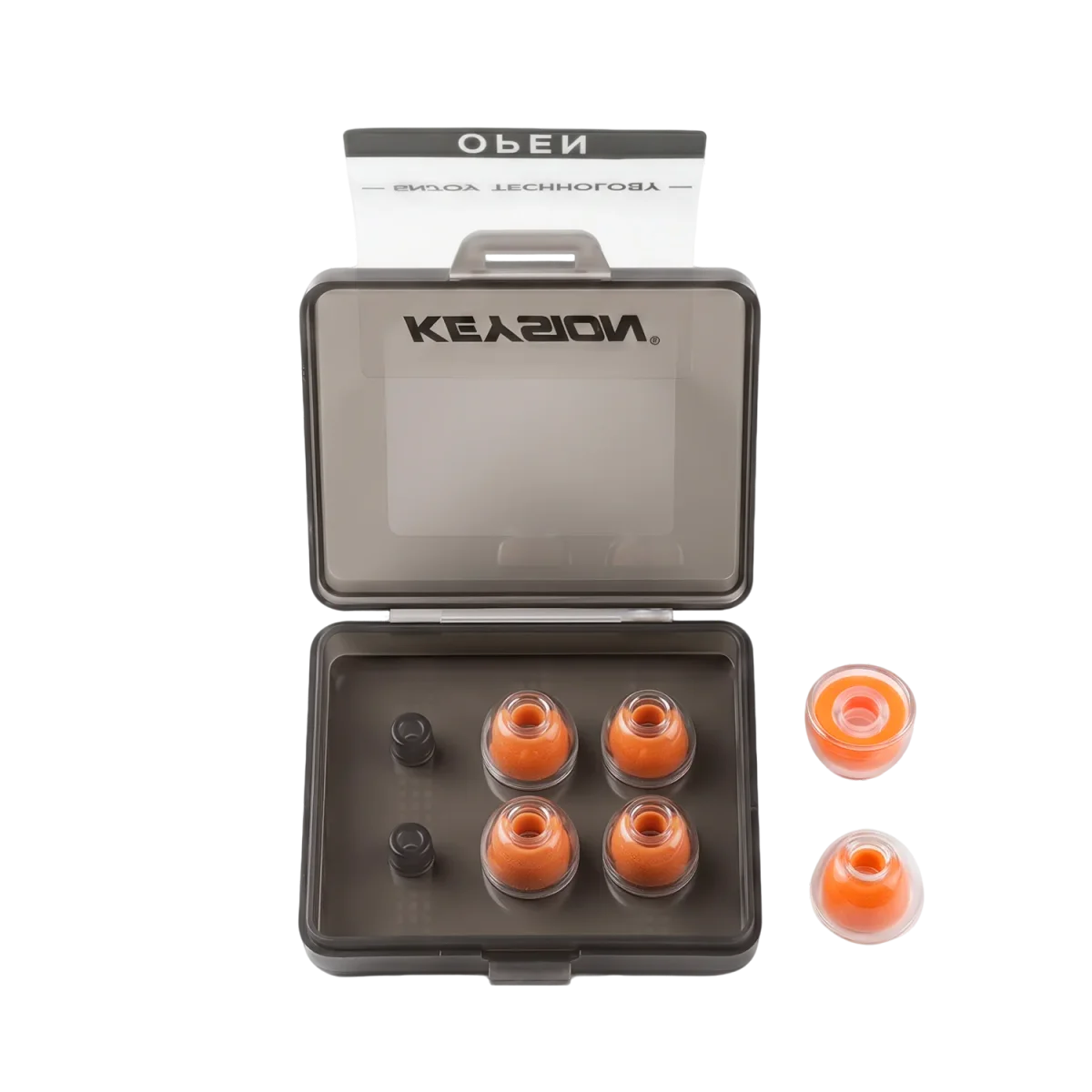
IEM Filter Mesh and Damping Foam: How Much Can One Small Screen Change?
Going from 200 to 500 mesh usually costs 1-3dB above 10kHz, while a clogged filter can return 3-6dB after cleaning. Damping foam changes airflow, bass weight and transients. Mesh sizes, placement and a fault-finding order.
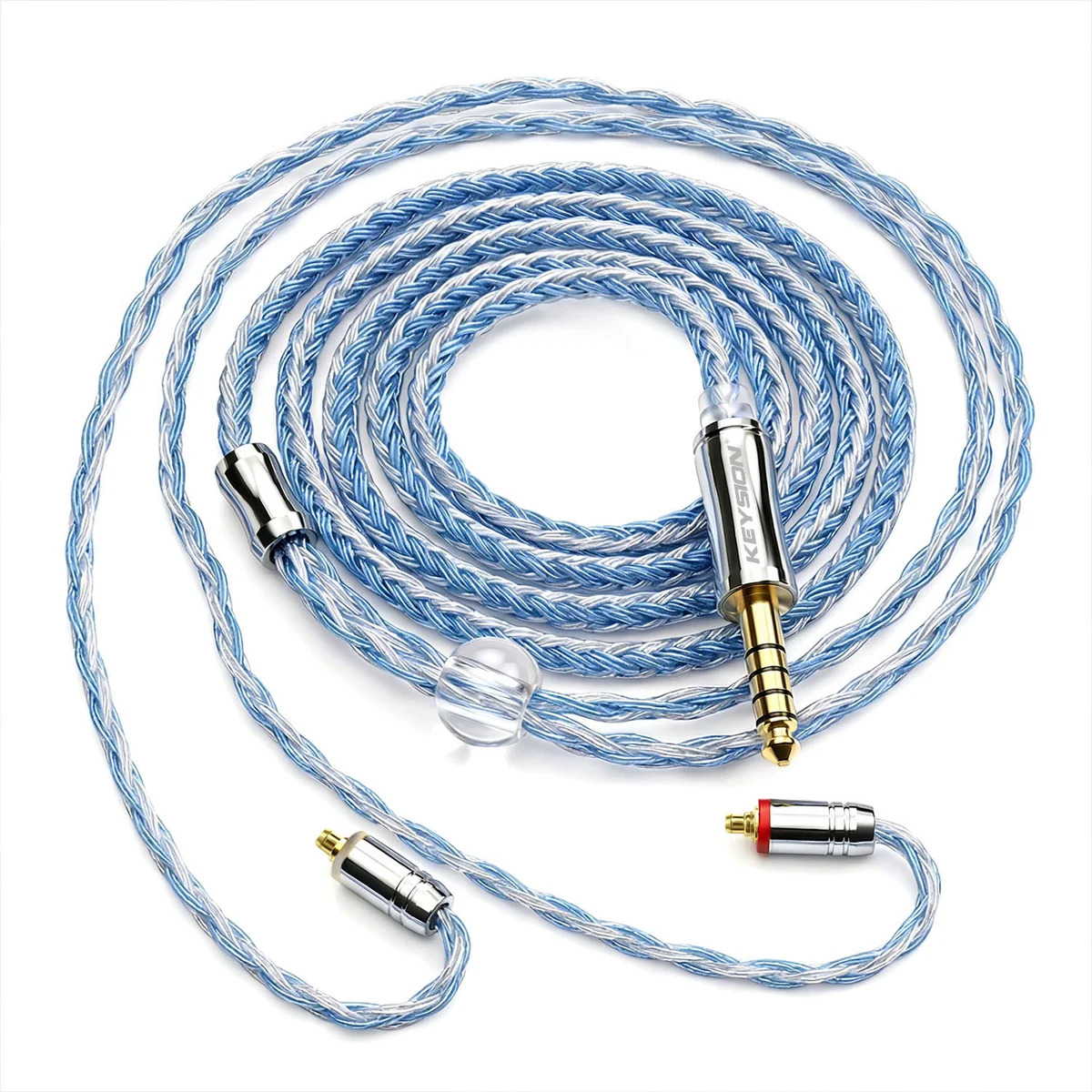
Do Headphone Cable Length and Gauge Really Change the Sound? Resistance and Capacitance at 0.5m, 1.2m and 1.5m
Between 0.5m and 1.2m the level difference is usually under 0.3dB. Low-impedance IEMs, very long runs and thin cheap wire are the exceptions. Here is how to estimate DC resistance from strand count and length, plus blind-test conditions.
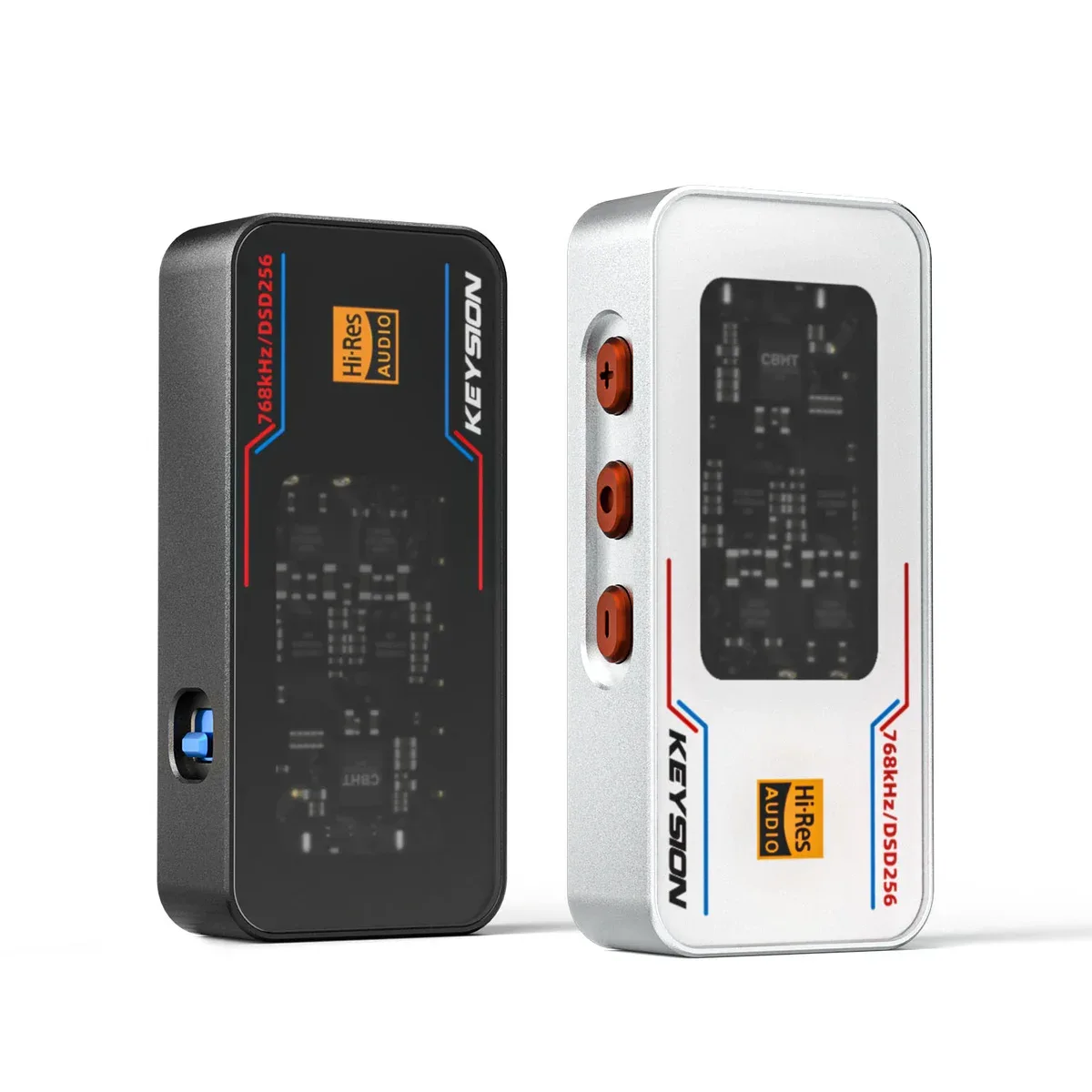
Do Diaphragm Materials Really Decide How Headphones Sound? Beryllium, Bio-Cellulose and Carbon Nanotube Compared, Judged on a KSHF-02 Pro Source
Diaphragm material sets a headphone's ceiling and character, but it does not decide the sound by itself. Beryllium adds stiffness, bio-cellulose adds damping, carbon-nanotube composites save weight, and frequency response plus tuning usually outweigh the material. Here is a testable order of judgment, and what a source or cable can and cannot change.
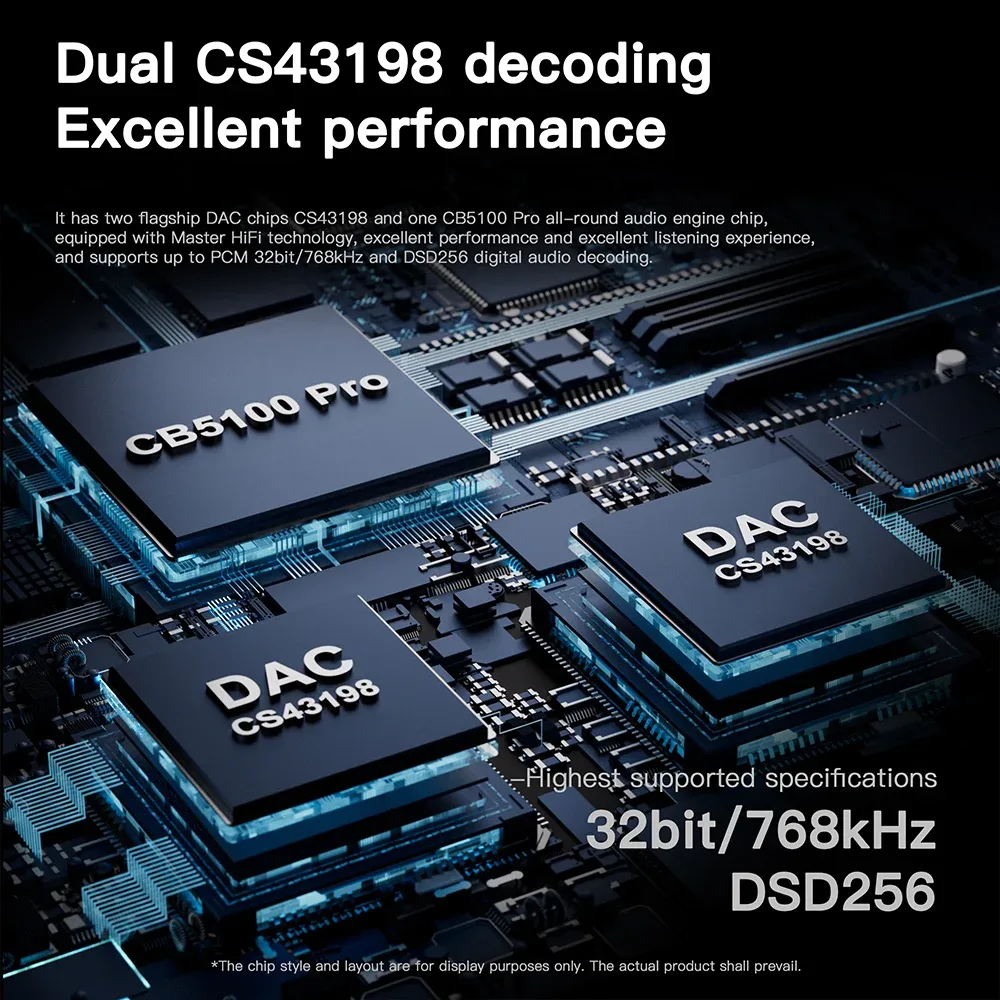
How Do You Run a Fair A/B Test? Level Matching, Blind Trial Counts and a Check Order for DACs Like KSHF-02
A 1 dB difference is enough to make most listeners pick the louder device in quick switching. Match levels within 0.1-0.2 dB and run 10-16 blind trials to separate a real difference from preference. The article covers voltage-based matching, p values by trial count, and the conditions for comparing KSHF-02 with KSHF-01.
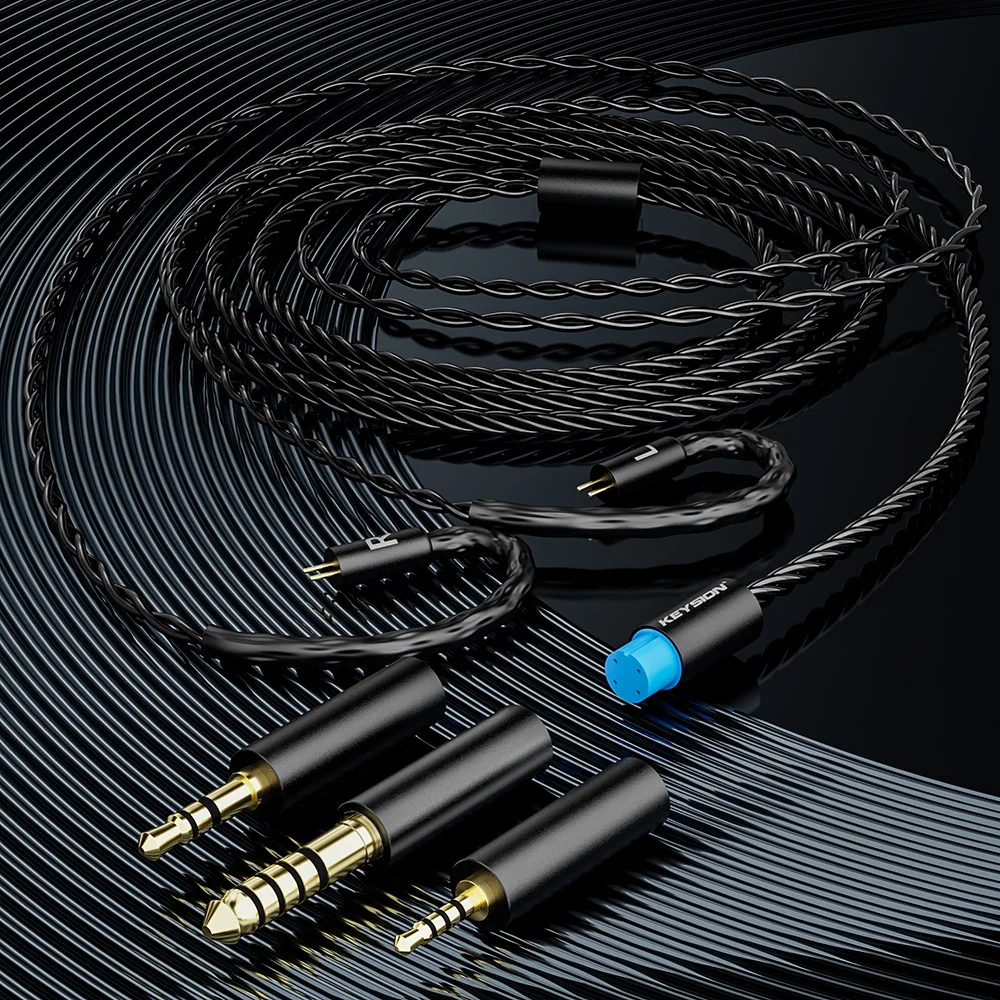
How to Spot Swapped Channels and Inverted Polarity? A Check Order for 2-Pin Cables Like KSHF-3in1
A channel swap moves mono content to one side, while inverted polarity flips the sign of one signal path and cancels only shared mono material. On headphones the effect is much weaker than on speakers. The article gives a check order: a mono test track, a multimeter continuity test on 2-pin cables, and a 4.4 mm balanced pinout check.
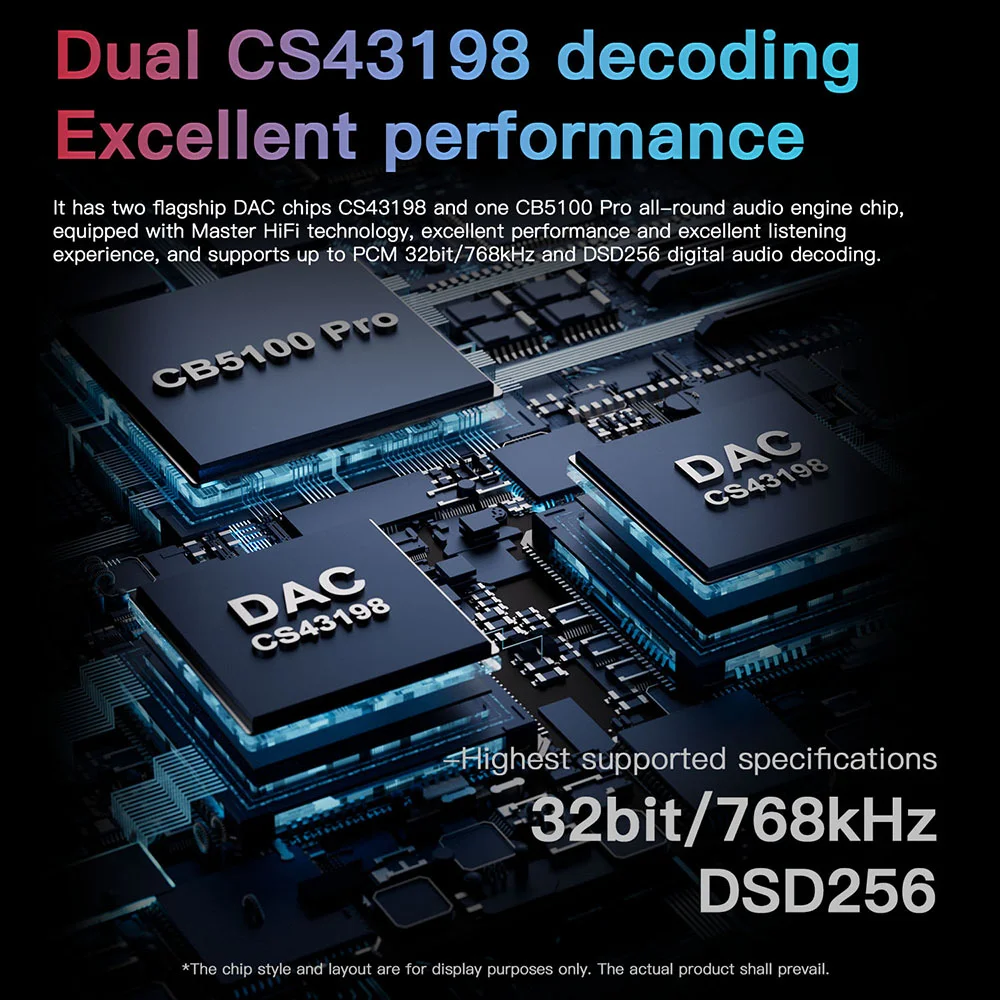
16-bit vs 24-bit: How Much Real Difference, What Dither Does, and Whether a DAC Like 02 Pro Needs It
16-bit gives roughly 96 dB of theoretical dynamic range, 24-bit about 144 dB. At normal listening levels the extra 48 dB is headroom for recording, mixing and digital gain changes, not new detail in your ears. Dither trades quantisation distortion for low-level noise, and only belongs at the final bit-depth reduction.
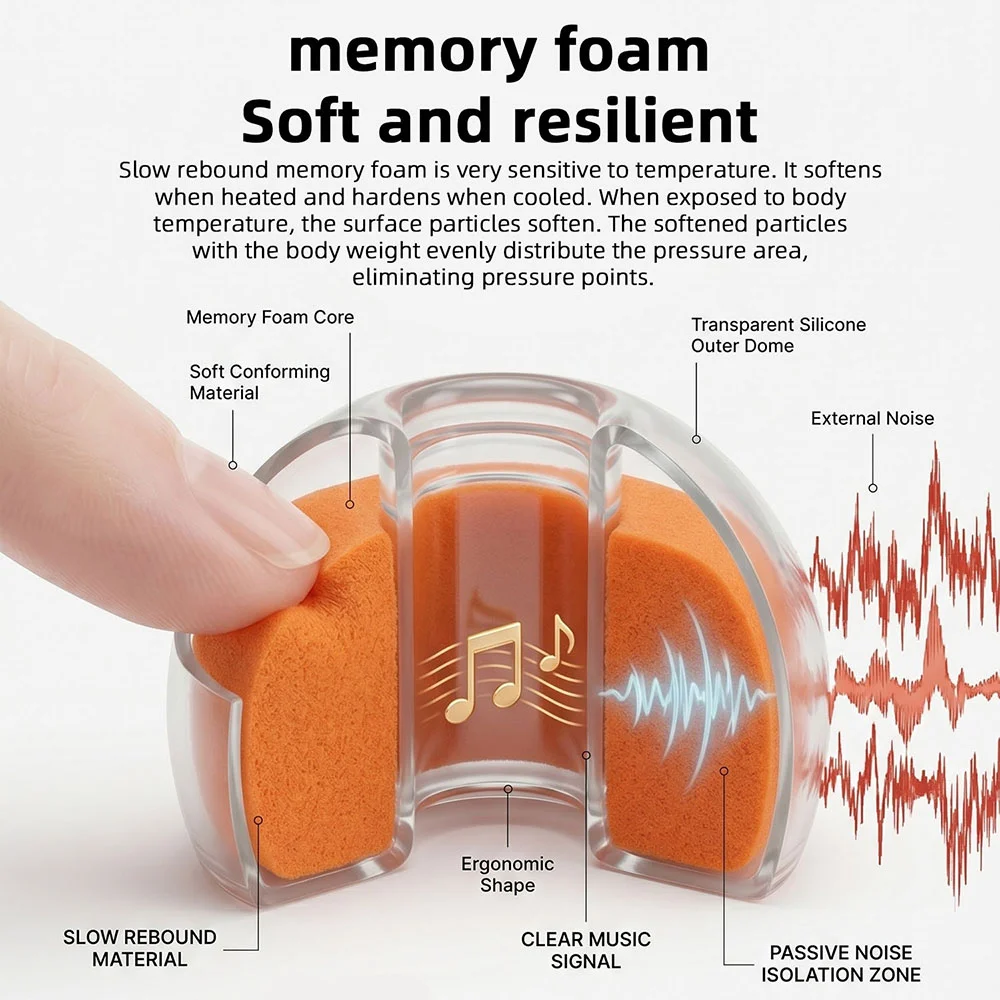
What Do the Vents on an IEM Actually Do? Does Plugging Them Add Bass, and What 30A Memory Foam Tips Change
The vents on an in-ear shell balance air pressure across the diaphragm and take part in bass tuning. Sealing them rarely adds bass; more often it tightens the low end, raises distortion and makes the driver click under pressure. A better-sealing tip is the dependable fix.
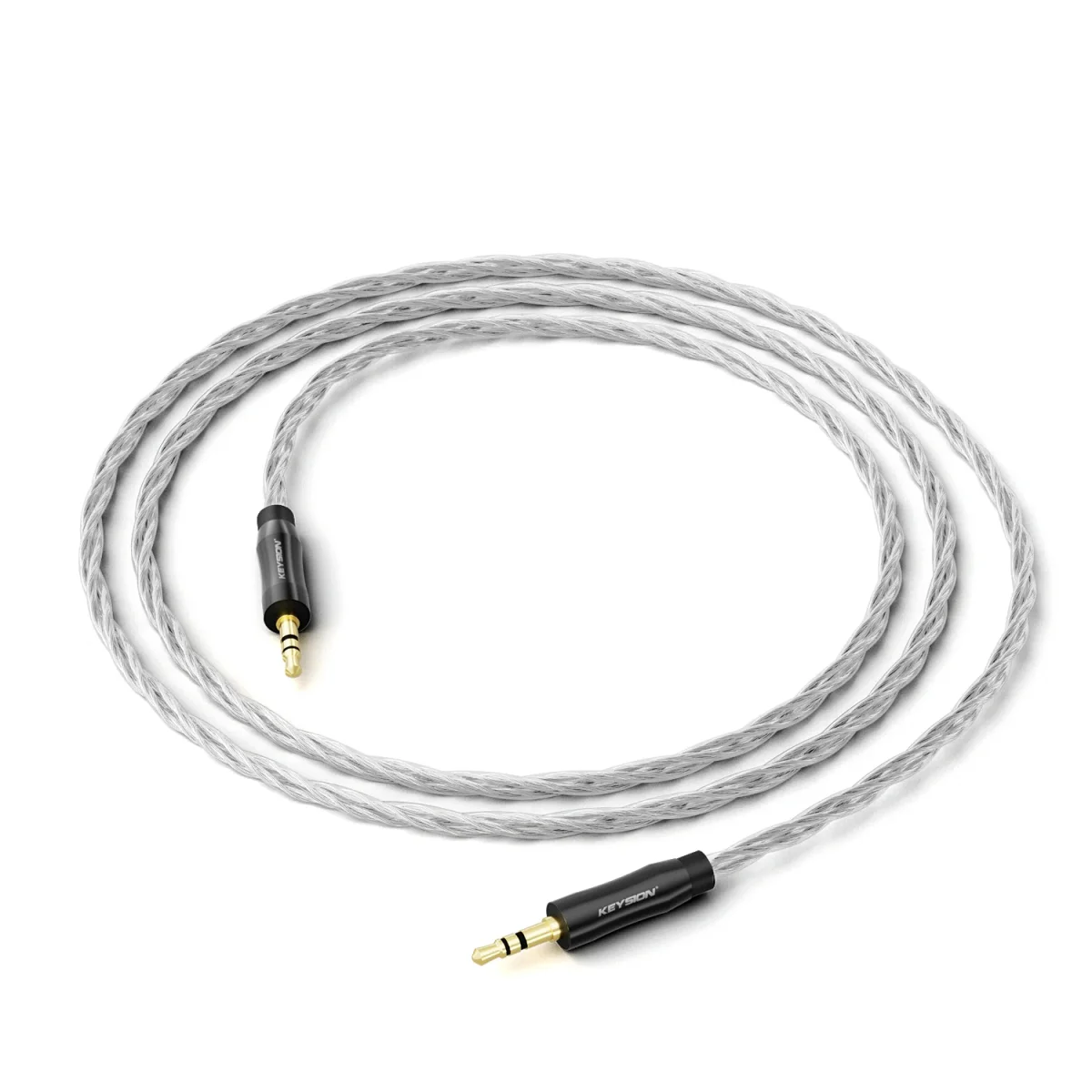
Is Replacing a Headphone Plug Yourself Worth It? Rewiring Risks, a Check Order, and Where KSHF-AUX Fits
A plug that crackles at the strain relief can often be saved with a new connector; a broken core or a damaged driver cannot. Pinouts, soldering numbers, test steps and warranty trade-offs, plus where finished cables like KSHF-AUX fit.
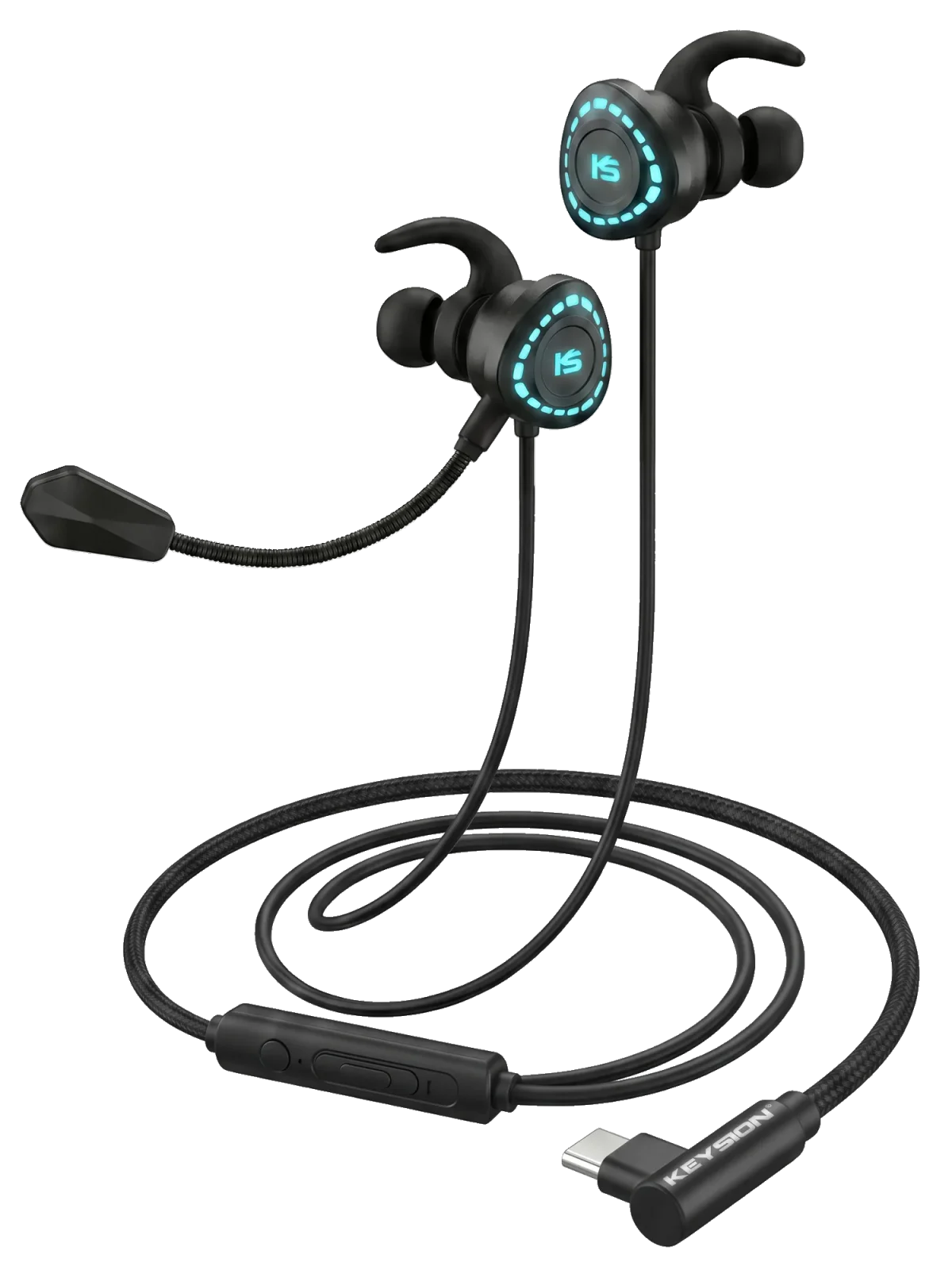
How to Cut Audio Latency on Windows: WASAPI Exclusive, ASIO and Buffer Sizes, and Where X1 and 02 Fit
Most Windows audio delay comes from the system mixer and buffer settings, not the headphones. Switch the player to WASAPI exclusive or ASIO and drop the buffer to 128–256 frames, and a USB DAC usually lands at 20–40 ms. Bluetooth stays above 100 ms because of its codec.
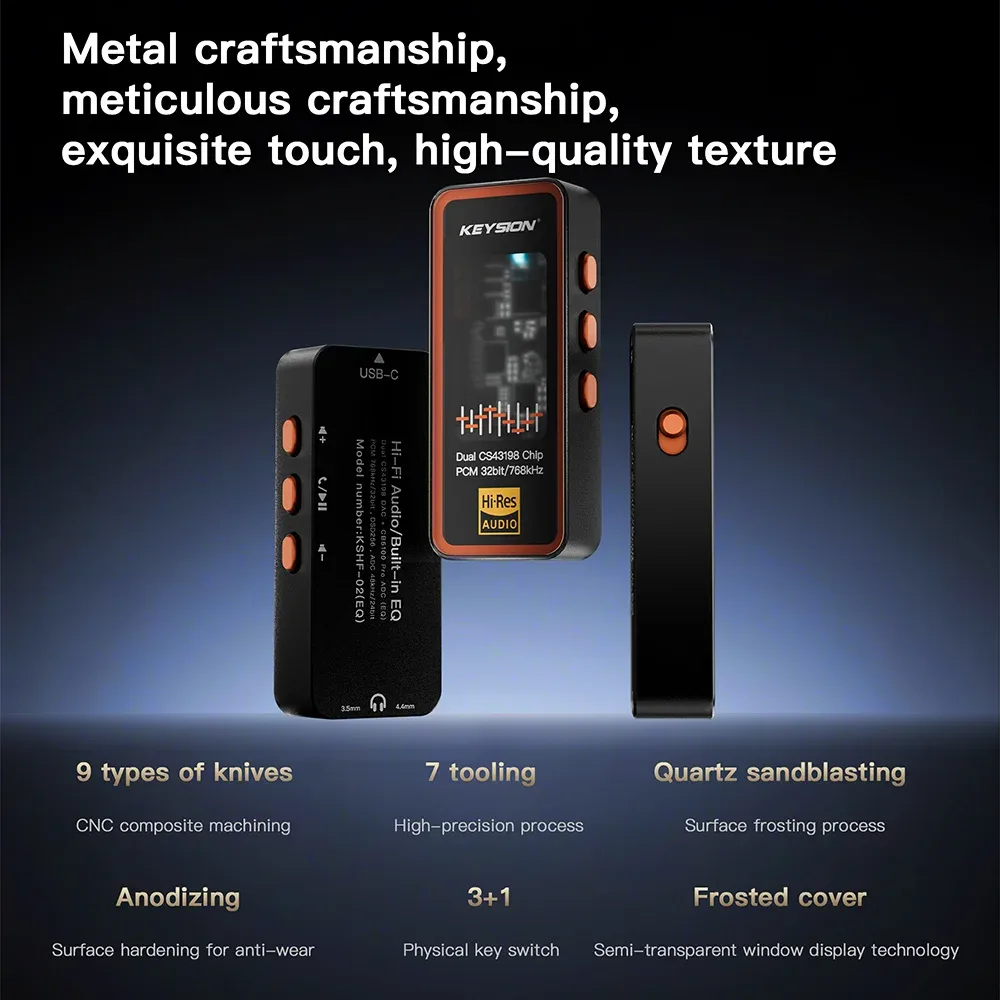
Does a Turntable Need a Phono Preamp? MM vs MC Gain, Loading, and Where KSHF-AUX Fits
Whether vinyl needs a phono stage depends on the cartridge and whether the deck has a LINE output. We break down MM and MC output, loading and gain, then show where the preamp sits and what an analog cable like KSHF-AUX can connect.
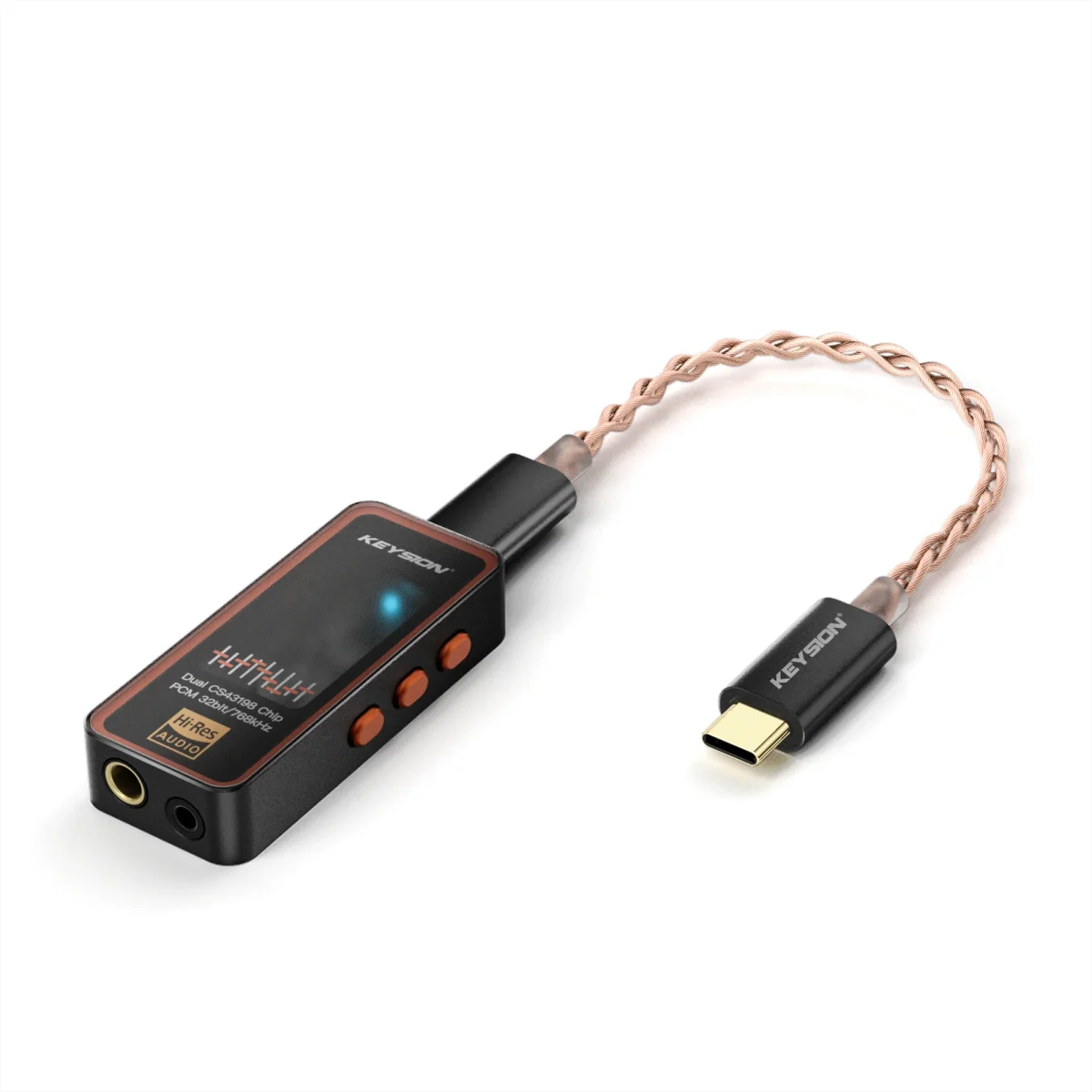
TV to DAC and Headphones: Optical, HDMI ARC or Bluetooth, and Can KSHF-02 Connect Directly?
Three common ways to get TV audio into headphones: optical, HDMI ARC and a Bluetooth transmitter. We compare their limits and latency, and explain when a USB-C DAC like the KSHF-02 can work with a TV.
USB-C Headphones Not Working? Digital vs Analog USB-C Audio Explained
Most silent USB-C headphones are not broken; the headphone type does not match what the device outputs. Analog pass-through models need an analog output on the host, while digital models with a built-in DAC need USB Audio and OTG. How to tell them apart, what to check, and what to buy.