Do More Drivers Mean Better Sound? The Truth About Multi-Driver IEMs and Crossovers, Tested With KEYSION Memory-Foam Tips
Short answer up front: driver count is not sound quality. Adding more drivers is meant to let each frequency band be handled by a driver best at it, but in exchange you get the hard problems of crossover coherence, phase alignment and cost. A well-tuned, well-sealed single-driver IEM is often more pleasant than a multi-BA stuffed with drivers but with stiff transitions. This article breaks down three architectures — single dynamic, hybrid and multi-BA — to make clear what a crossover actually does and what to look for when judging a multi-driver IEM. For the fit comparisons here, KEYSION memory-foam eartips are used as the reference.
Let's state the point first: adding drivers is a way to work around the physical limits of a single driver in certain bands — a dynamic driver sounds natural in the bass but can be weak up top, while a balanced-armature (BA) driver resolves treble well but tends to feel tight in bass body. Putting the two together (hybrid) lets each take its strength in theory; multi-BA uses several BAs, each split to take one segment, rather than letting a single BA cover too wide a band.
| Architecture | Common layout | Strengths | What it means |
|---|---|---|---|
| Single dynamic | One dynamic driver | Natural bass, coherent phase | The whole band comes from one driver, so coherence issues are minimal and the tuning floor is usually higher |
| Hybrid | Dynamic + BA | Both relaxed bass and treble detail | The benefit is real, but if the crossover point is not well set, the midrange transition can break |
| Multi-BA | Several BAs split by filters | Outstanding treble detail and separation | More drivers don't mean better sound; a badly done crossover and phase end up dry and aggressive |
The real takeaway of this table is not 'whoever has more drivers wins' but the crossover — that is the link that decides the fate of a multi-driver IEM. Which of the four common driver types best fits which music and which listener has already been covered in the article Dynamic, BA, Planar, Electrostatic: How to Choose Among Four Headphone Driver Types, so we won't repeat it here.
A crossover makes each driver responsible for its own band, and the human ear then 'fuses' them back into a complete sound. It sounds simple, but there are three engineering pitfalls. First, at the transition around the crossover point, two drivers play together; if sound pressure or phase is misaligned, a dip or bump appears at some frequency, heard as a muffled midrange or harsh treble. Second, phase differences among multiple drivers make the image less focused and harder to locate. Third, the crossover network itself consumes energy and adds distortion, and component tolerances mean two units of the same model can sound different.
In other words, multi-BA is a design with 'a higher ceiling and a lower floor': done well, separation and detail clearly win; done sloppily, you are left with impressive specs and a dry, thin sound. That is also why 'more drivers cost more' often holds while 'more drivers sound better' does not.
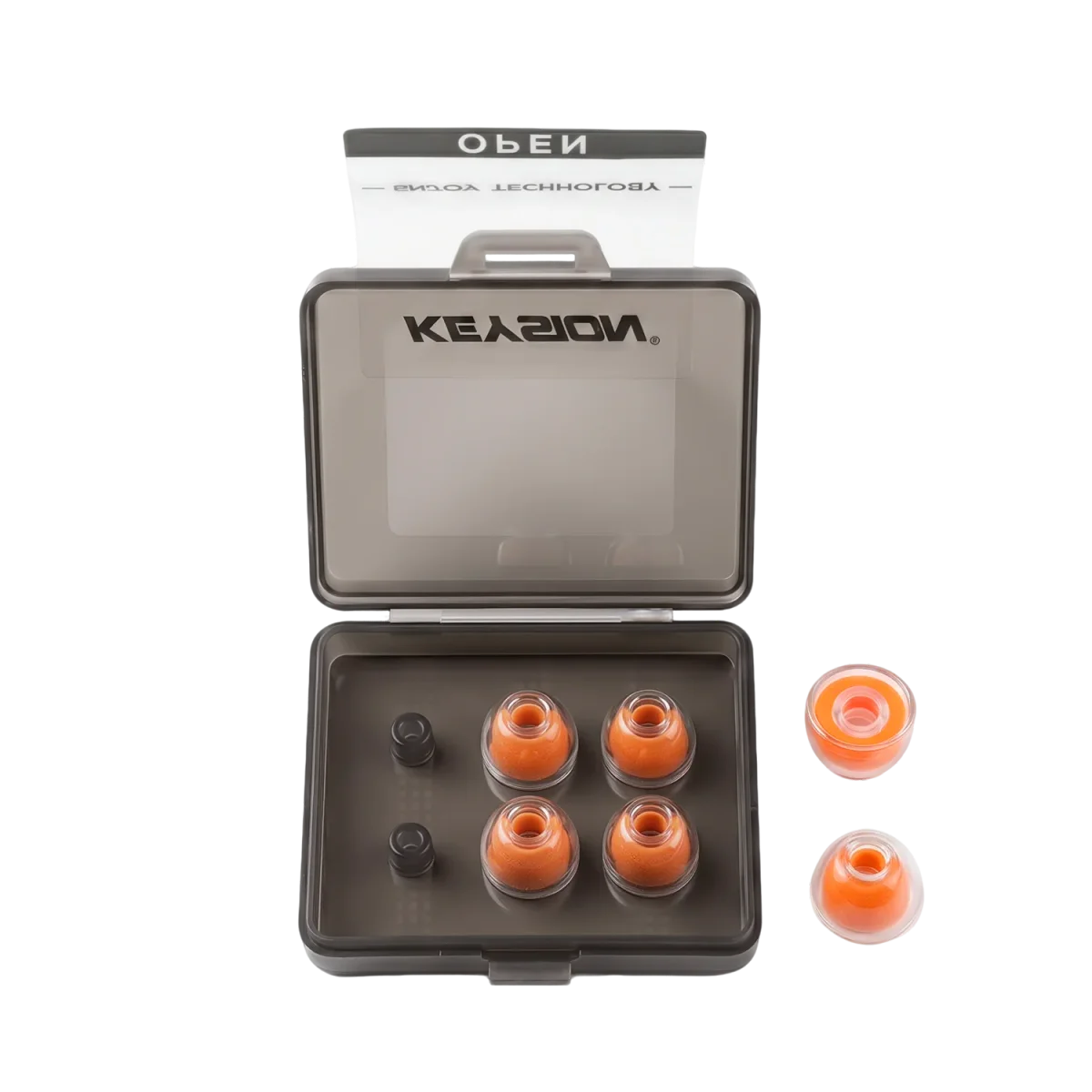
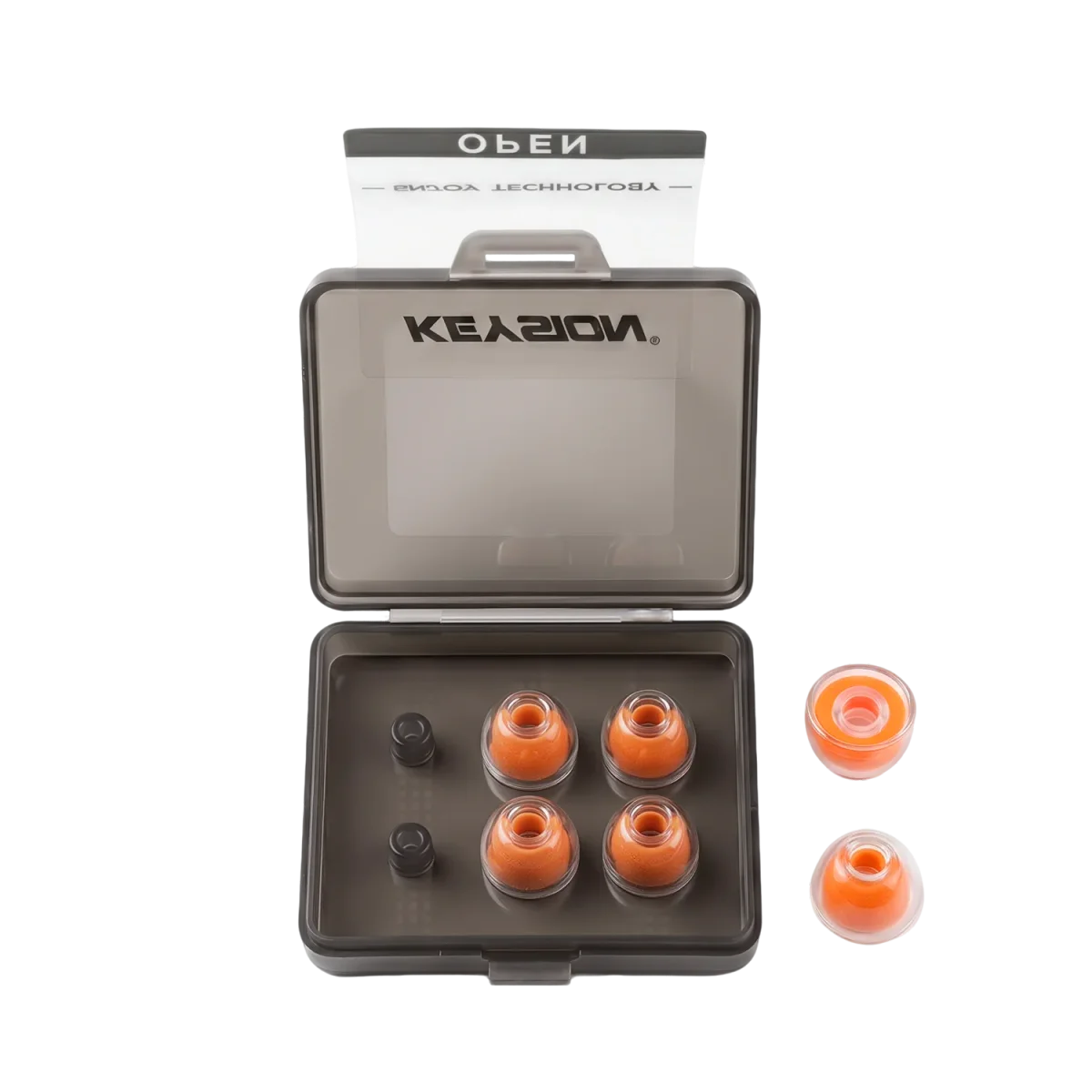
Skip the driver count and look at three things instead. First, whether there is a fatiguing peak in the mid-to-high region. Second, whether the transition from low to high is natural — male vocals and piano are especially good at exposing crossover seams. Third, whether the fit is sealed — most of the bass and overall balance depends on how well the tip hugs your ear canal. Of the three, the first two test the tuning and the third is often overlooked: on the very same IEM, switching to a memory-foam tip with better sealing (KEYSION 30A liquid-silicone memory-foam eartips) frequently firms up the bass and the low-end extension noticeably, more effective than switching drivers. This is also covered at length in the article How Eartip Fit Affects Sound: Why Airtightness and Fit Matter.
If you use a multi-driver IEM, an upgrade cable mainly improves the impedance and shielding of the cable itself, not the drivers; it has no effect on crossover coherence or driver layout. In other words, a badly tuned pair cannot be saved by swapping cables. If you do want to work on the cable, look at shielded designs such as the KEYSION over-ear HiFi upgrade cable — its reach is in the transmission link, not in the drivers.
Pragmatic advice in three tiers. Single dynamic suits people on a budget who put recording quality and naturalness first. Hybrid suits people who want both bass and treble and can still fit a mid-range, around a thousand, budget. Multi-BA suits people chasing separation and detail who accept a more aggressive tuning. For most commuting and pop tracks, a single dynamic or a maturely tuned hybrid tends to disappoint less.
This article was written by the KEYSION audio team, based on published architectures and hands-on listening impressions. The view is deliberately moderated: how driver count relates to sound differs from person to person, and some genuinely prefer the crisp treble of a multi-BA; only real listening will tell. Related products: KEYSION 30A liquid-silicone memory-foam eartips (https://keysion.shop/product/ersai-haimian), KEYSION over-ear HiFi upgrade cable (https://keysion.shop/product/kshf-s35). Related reading: headphone driver types explained (https://keysion.shop/blog/headphone-driver-types-guide).
FAQ
Is having more drivers in an IEM always better?
No. More drivers bring problems of crossover coherence, phase alignment and cost; a well-tuned, well-sealed single-driver or hybrid is often more pleasant to listen to than a stiff multi-BA.
Is a multi-BA higher-end than a single dynamic?
Multi-BA is a design with a higher ceiling and a lower floor. Done well, separation and detail win; done poorly, the sound turns dry and aggressive. Don't judge by driver count alone.
What is the crossover point and does it matter much?
It's the frequency where two drivers hand off. In that transition zone, if sound pressure or phase is misaligned, you get a dip or bump in the response, heard as a muffled midrange or harsh treble.
My multi-driver IEM sounds dry — can a cable change fix it?
Basically no. An upgrade cable improves the cable's impedance and shielding, which has no effect on crossover coherence or driver layout. Look at tuning and fit instead.
When judging a multi-driver IEM, what should I check first?
First check for annoying peaks in the mid-to-high region, then whether the band transition is natural, then whether the fit is sealed; a poor seal makes the bass clearly thinner.
Related products
Related articles