Is a Lossless Streaming Subscription Worth It? Quality Tiers and the Real Difference, Tested With the KEYSION 02 Pro
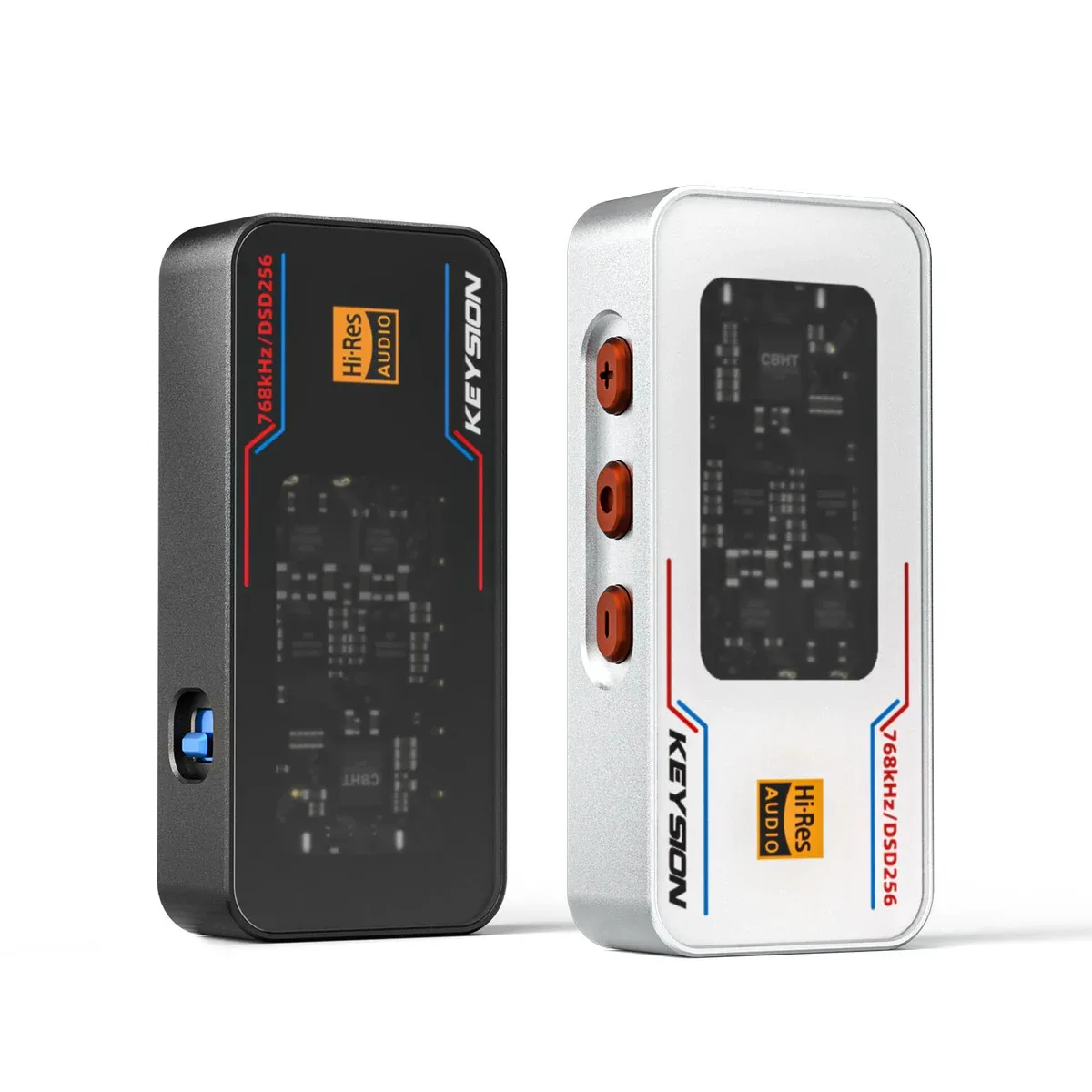
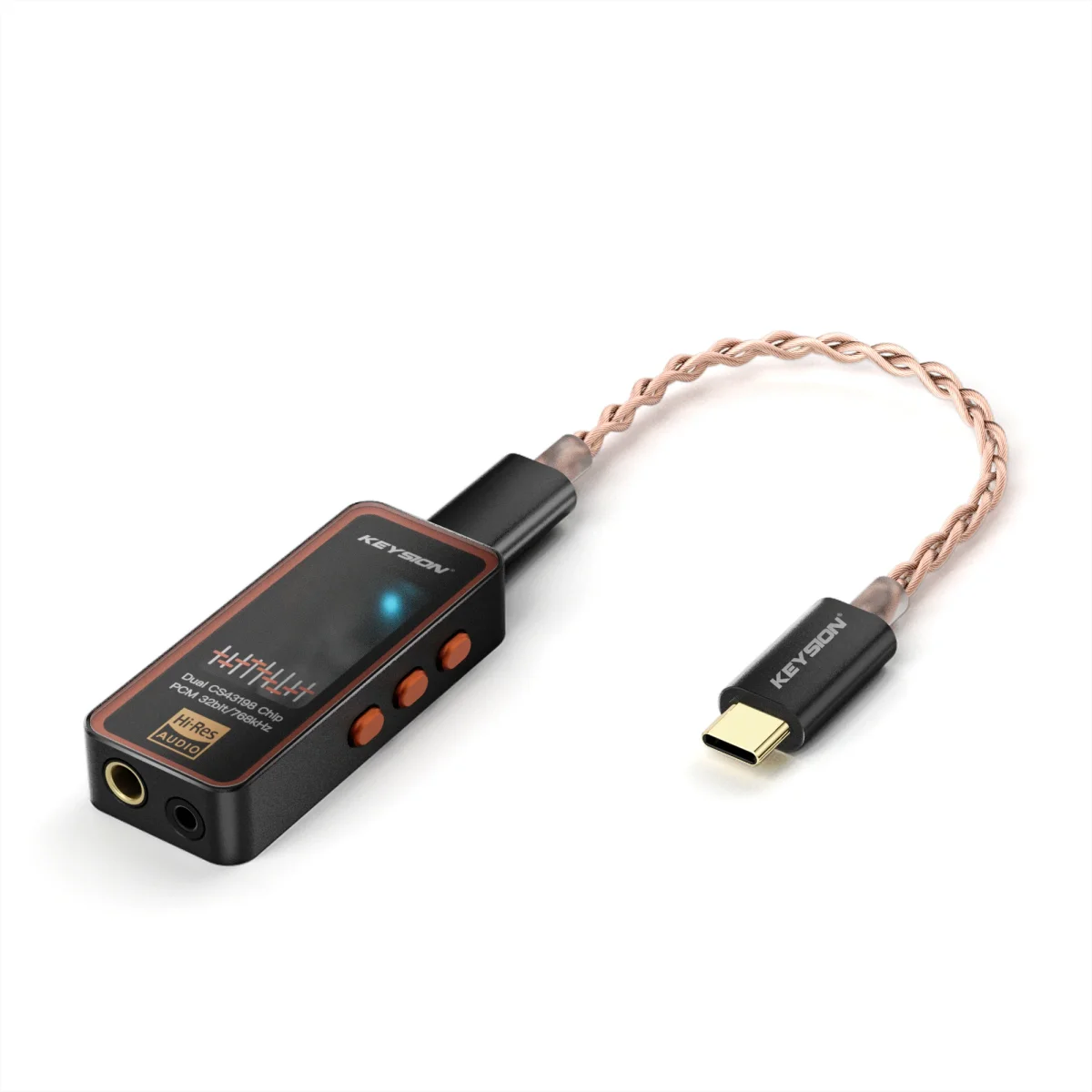
Here's the short conclusion: for most people, the bottleneck in what they hear is not the streaming tier but the playback quality of the headphones, amp and source itself — and in a blind test, most people can't tell a stable difference between standard high-quality and CD lossless. This article puts the mainstream platforms' quality tiers in order by bitrate, so you can see what each extra dollar actually buys, when an upgrade is worthwhile, and when it's fine to stop worrying. The comparisons here use the KEYSION 02 Pro, a portable DAC that natively decodes PCM 768kHz / DSD256, as the playback reference — handy for judging your own gear against it.
Platforms don't agree on what "lossless" means. Some tier it by bitrate, some by "whether lossy compression was applied," and because licensed sources differ, some even deliver different masterings of the same track. So a "Hi-Fi" or "high quality" tag on the interface doesn't guarantee that what you hear is lossless.
| Tier | Typical bitrate | Compression | What this means |
|---|---|---|---|
| Standard streaming (approx. 256-320 kbps) | About 256-320 kbps | Lossy | Fine for commuting and portable listening, but there's an audible loss of information; a high-end amp tends to magnify artifacts |
| CD lossless (16-bit / 44.1kHz) | FLAC typically 850-1500 kbps | Lossless | Matches the original disc; in blind tests most people can't separate it from higher bitrates; the best value of all |
| Hi-Res (24-bit / 96kHz+) | About 2000-6000+ kbps | Lossless | Higher sample rate, but it only matters when the source is natively high-res; upsampled re-releases often give only limited benefit |
The rough takeaway from this table: moving from lossy to lossless is a threshold most people can perceive; going from CD lossless to Hi-Res narrows the marginal gain noticeably. For most music libraries, headphones and hearing profiles, the second step reads more as "present" than "obvious." If you want to know exactly where lossy and lossless part ways, see our guide "Lossless Formats and Bluetooth Codecs: What FLAC, DSD, LDAC and aptX Actually Change".
The upper limit of human hearing is around 20kHz, and a 44.1kHz sample rate already reconstructs the 0-20kHz signal completely under the Nyquist theorem. The value of higher sample rates lies mostly in keeping headroom during recording and post-production; on the playback side, most headphones roll off noticeably above 10kHz, and the front end and the headphones themselves usually affect timbre more than a higher sample-rate tier. The theory behind sample rates is covered in another piece, "What 44.1, 48, 96 and 192kHz Sample Rates Actually Affect", which also includes the finer math.
That isn't to say Hi-Res is useless. If you are genuinely listening to a native high-res master, and your playback device can faithfully render high-res files — which a portable DAC like the KEYSION 02 Pro, with native PCM 768kHz / DSD256 decoding, can do — then the extra air and density in the sound are real. The catch is that a lot of "Hi-Res" on the platforms is upsampled or re-mastered, with no real increase in information, so the extra money buys nothing you can hear.
Whether to upgrade comes down to two things: how demanding your sources are, and whether your playback chain can actually use the high bitrate. Use this rough checklist to see where you land:
| Your situation | Recommendation |
|---|---|
| Commuting, portable headphones, mostly streaming | Standard high-quality is enough; no rush to upgrade |
| Decent headphones plus a portable DAC/amp | Upgrade to the CD lossless tier for the best value |
| You prefer native high-res sources and gear that handles DSD / 768kHz | Only then consider the Hi-Res tier |
One easily missed point: even if you subscribe to lossless, a Bluetooth link re-compresses it into lossy codecs, wiping out lossless at the transmission stage. To get lossless to your ears, you need a wired path — connect your phone via OTG to a portable DAC like the KEYSION 02 Pro, then plug in wired headphones. In other words, over a wireless connection, being obsessive about lossless is usually "a format victory that sounds like nothing."
The practical move is to take a one-month lossless trial, use the same headphones and the same song, and A/B between the lossless and high-quality tiers in a simple blind comparison. Most people end the test back on "high quality is enough," which suggests the money saved is better spent on better headphones. Conversely, if in your A/B you reliably pick out the air and low-end texture, lossless is a worthwhile cost for you, not decoration.
This article was written by the KEYSION audio team, based on public platform specs and real listening tests. The views are deliberately kept open: sound perception varies by person, and both "lossless is worth it" and "I can't tell the difference" are reasonable calls. Related products: KEYSION 02 Pro (551mW beast-class portable DAC, native PCM 768kHz / DSD256 decoding) and KEYSION 02 (361mW flagship portable DAC). If you're serious about lossless, go wired (https://keysion.shop/product/kshf-02-pro) rather than Bluetooth. Further reading: Lossless formats and Bluetooth codecs (https://keysion.shop/blog/lossless-audio-bluetooth-codecs-guide).
FAQ
Can you really hear the difference between a lossless subscription and regular quality?
Most people in a blind test can't tell standard high-quality from CD lossless. Going from lossy to lossless is a fairly clear threshold; from CD lossless to Hi-Res the marginal gain narrows, depending on the source and playback chain.
Is Hi-Res always better than CD quality?
Not necessarily. It only pays off when the source itself is a natively high-res master and the gear can faithfully render high-res files; upsampled re-releases of so-called Hi-Res don't really add information.
Does listening to a lossless subscription through Bluetooth headphones make sense?
Only in a limited way. Bluetooth re-compresses lossless into lossy codecs, wiping it out at the transmission stage; for lossless to reach your ears, go wired: OTG plus a portable DAC.
The platform labels something lossless, but the source sounds mediocre. Why?
It could be a difference in the licensed master, or an upsampled re-release. Lossless does not equal objectively great sound; the source's recording quality and your headphone playback matter just as much.
On a limited budget, should I upgrade my subscription to lossless or upgrade my headphones first?
In most cases the headphones or front end is a better first upgrade, because the playback side usually affects what you actually hear more than the streaming tier.
Related products
Related articles