
Guides
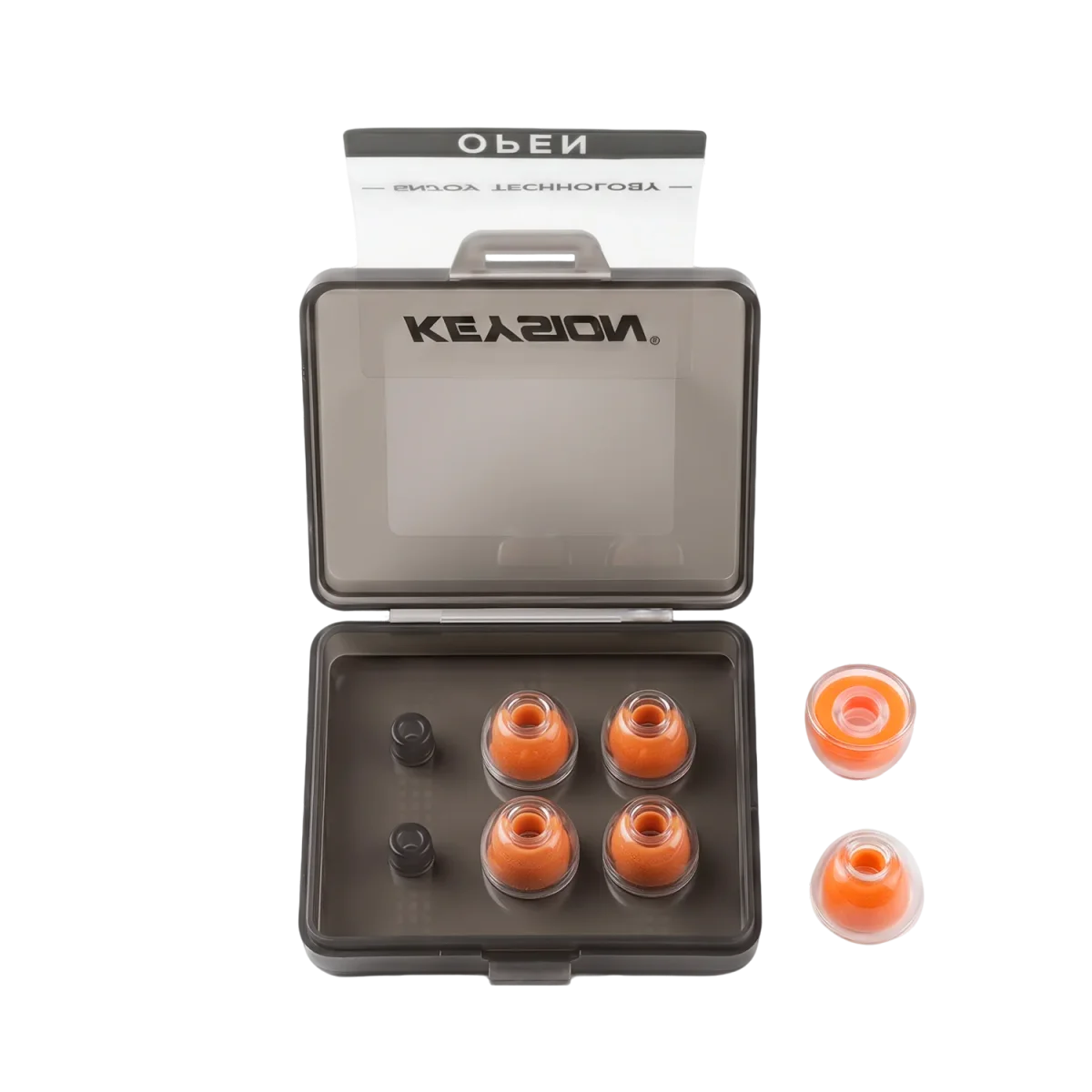
Does a Bad Eartip Fit Kill the Bass? How Seal and Fit Shape IEM Sound (Tested with KEYSION 30A Foam Tips)
Most 'missing bass' problems start with the eartip and the fit, not the IEM. This post explains why seal decides the low end, silicone vs. foam tips, and how to check your fit.
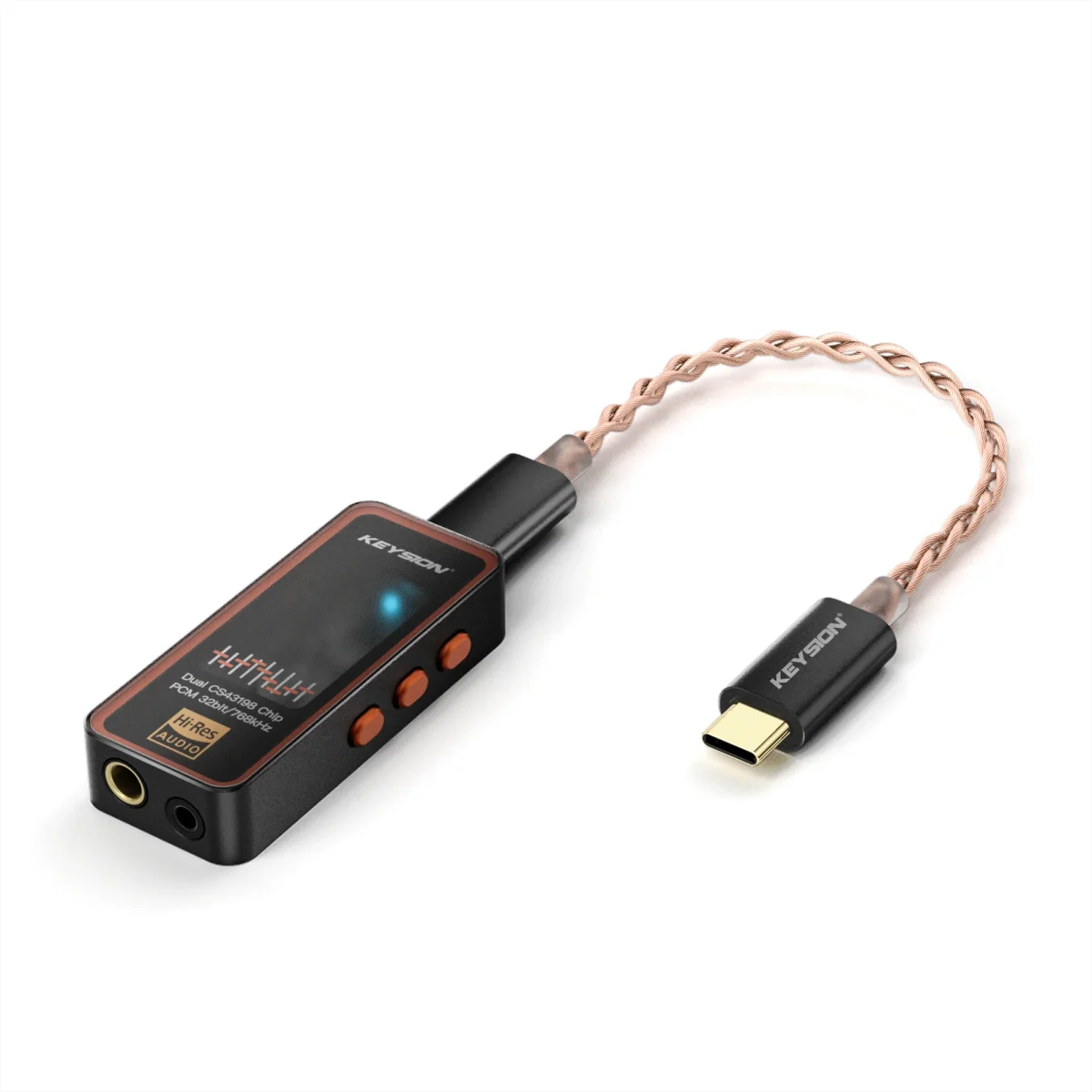
Class A, AB and D Headphone Amps: How Does the Output Stage Shape the Sound? (Measured on the KEYSION 02 Pro and 02)
This article explains the real differences between Class A, AB and D output stages: the class mainly affects efficiency, heat and idle power, while audible differences are often masked by signal-to-noise ratio, gain and headphone matching. Using measured specs of the KEYSION 02 Pro and 02, it argues the class is not the deciding factor for sound quality.
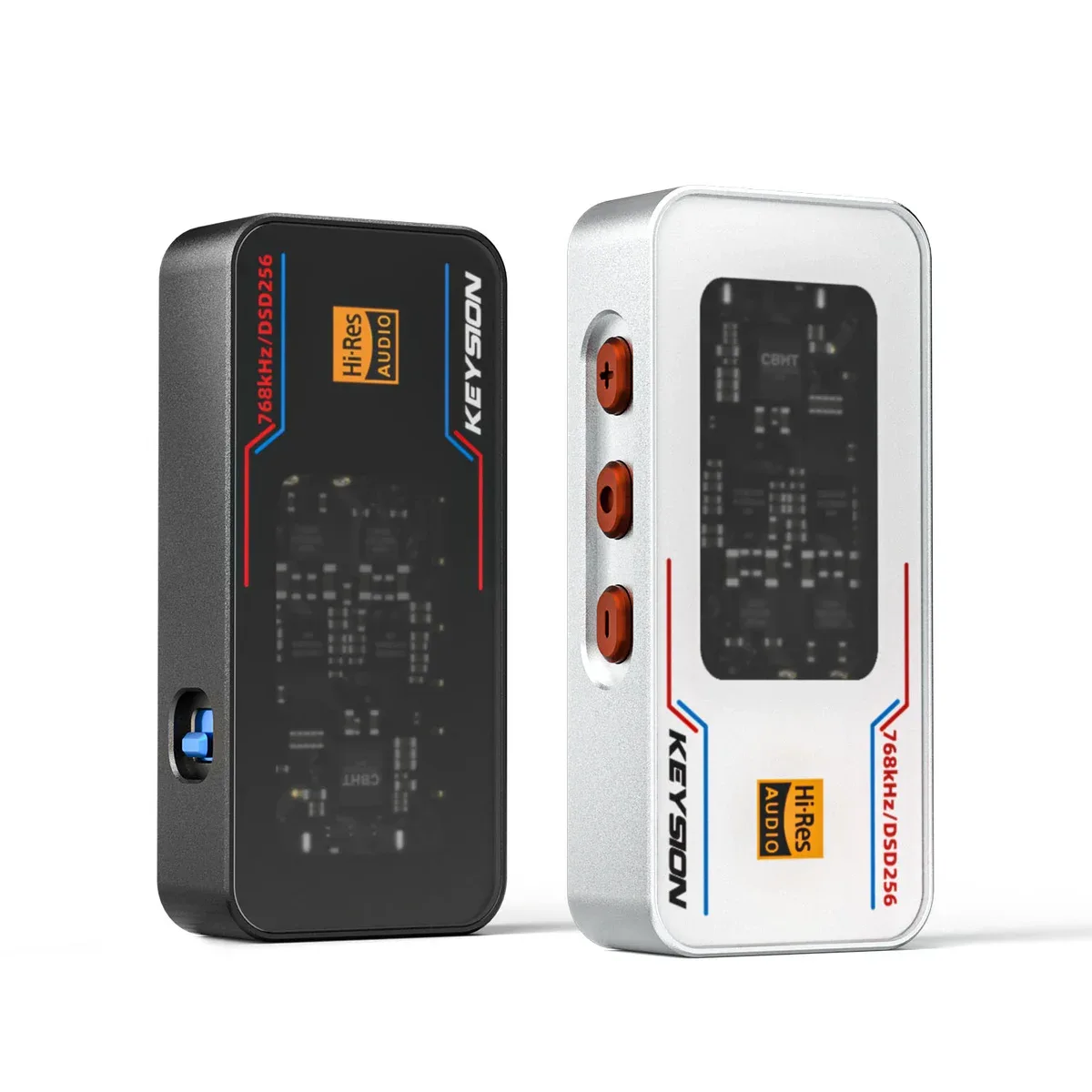
Dongle DAC or Bluetooth Amp? Which Portable HiFi Setup Should You Pick? (KEYSION 02 Pro vs S2, Measured)
This article helps you decide: with a fixed source, prefer a wired dongle DAC (stable, high-spec decoding); go with a Bluetooth amp only when you move around, want to ditch cables, or drive several devices (lossy link, but far more freedom). We compare the measured KEYSION 02 Pro and S2, list who should pass.
Digital vs Analog Volume: Does Turning Down the Volume Actually Lose Sound Quality? Measured on the KEYSION 02 Pro
Digital volume works by reducing bit depth and has a resolution limit; analog volume uses a potentiometer, is more linear but can add noise and channel mismatch. One article explains how real gear handles volume, and why most people don't need to worry about everyday adjustments.
How to Read a Headphone Frequency Response: Target Curves, Tuning Taste, and What the KEYSION 02 Pro Actually Measures
Learn to read a headphone frequency response in one article: what the axes mean, what Harman and diffuse-field target curves are, and why flat is not the same as good-sounding. With the KEYSION 02 Pro and 30A tips, we explain how seal affects the measured curve.
Does Buying an ANC Headset Actually Make the Office Quiet? Active Noise Cancelling vs Passive Isolation, Checked With KEYSION 30A Tips and X1
Active noise cancelling (ANC) shines on steady low-frequency noise — plane engines, subway rumble. But office chatter and keyboard clatter are mid/high-frequency irregular noise, and that's where passive isolation (a snug fit and well-sealed tips) does better. ANC drains battery and stops working uncharged; passive isolation is always on as long as the seal holds. We measured the KEYSION 30A memory-foam tips and the X1 to show which scenario favors which.
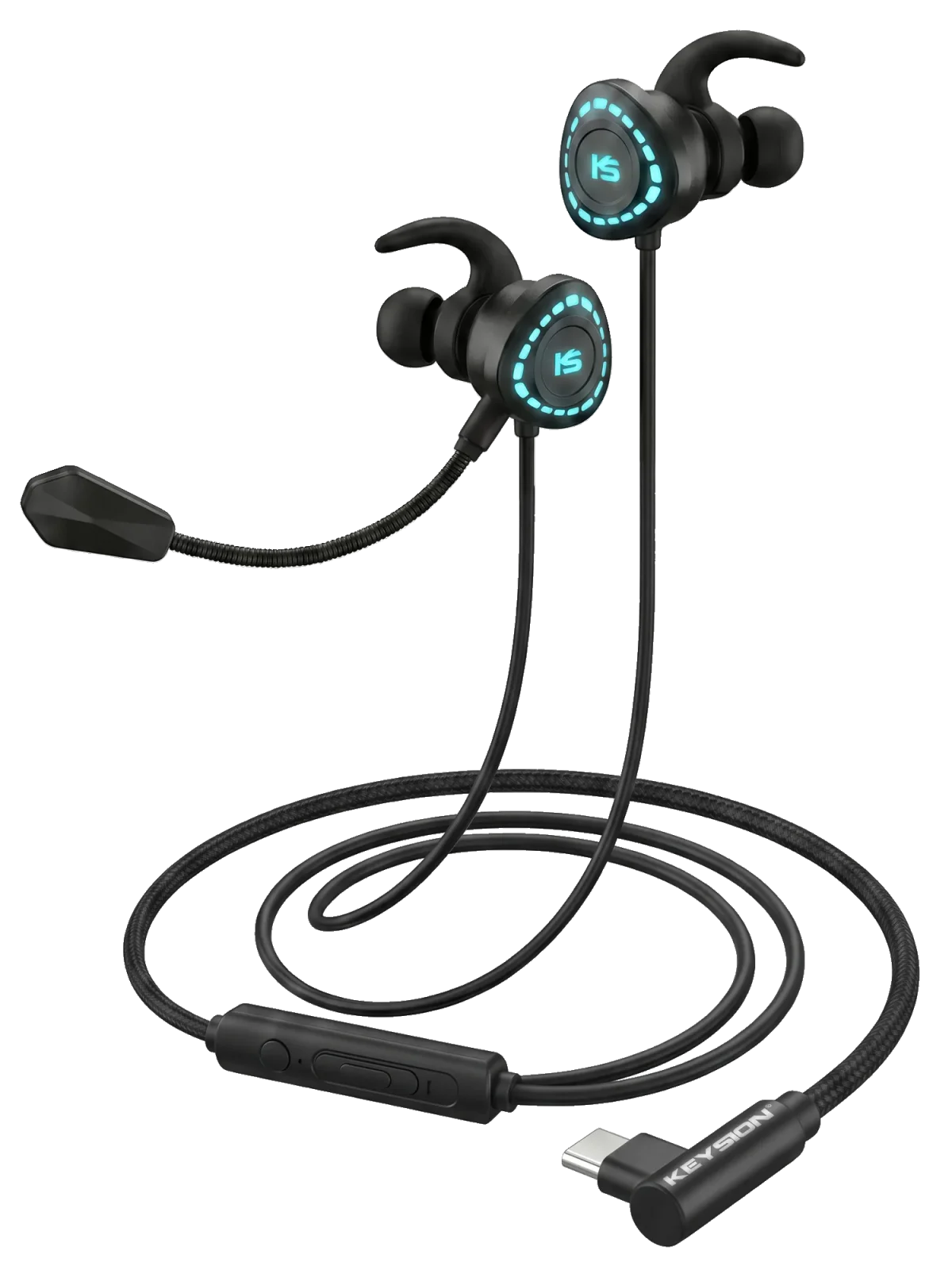
Why Do Bluetooth Headphones Lag in Games? Where Latency Comes From and How to Cut It, Tested With the G-Turbo X1
Bluetooth lags in games for one main reason: the codec. SBC and AAC typically add 100-300ms of delay — visibly out-of-sync audio. Total latency = encode + transmit + decode, so to get under 40ms you need LC3 or aptX Low Latency, or you switch to a wired setup. This piece measures the G-Turbo X1 down to the millisecond and lists practical Android and iPhone tweaks.
Do More Drivers Mean Better Sound? The Truth About Multi-Driver IEMs and Crossovers, Tested With KEYSION Memory-Foam Tips
Short answer up front: driver count is not sound quality. More drivers buy you crossover, phase-alignment and cost headaches, and a well-tuned, well-sealed single-driver IEM often sounds better than a sloppy multi-BA. This article breaks down dynamic, hybrid and multi-BA designs with KEYSION tips.
Is a Lossless Streaming Subscription Worth It? Quality Tiers and the Real Difference, Tested With the KEYSION 02 Pro
Short answer up front: most people can't reliably tell standard high-quality from CD lossless in a blind test, so the lossless subscription is only worth it when your playback chain can use it. This article lays out each streaming tier by bitrate and tests the difference with the KEYSION 02 Pro.
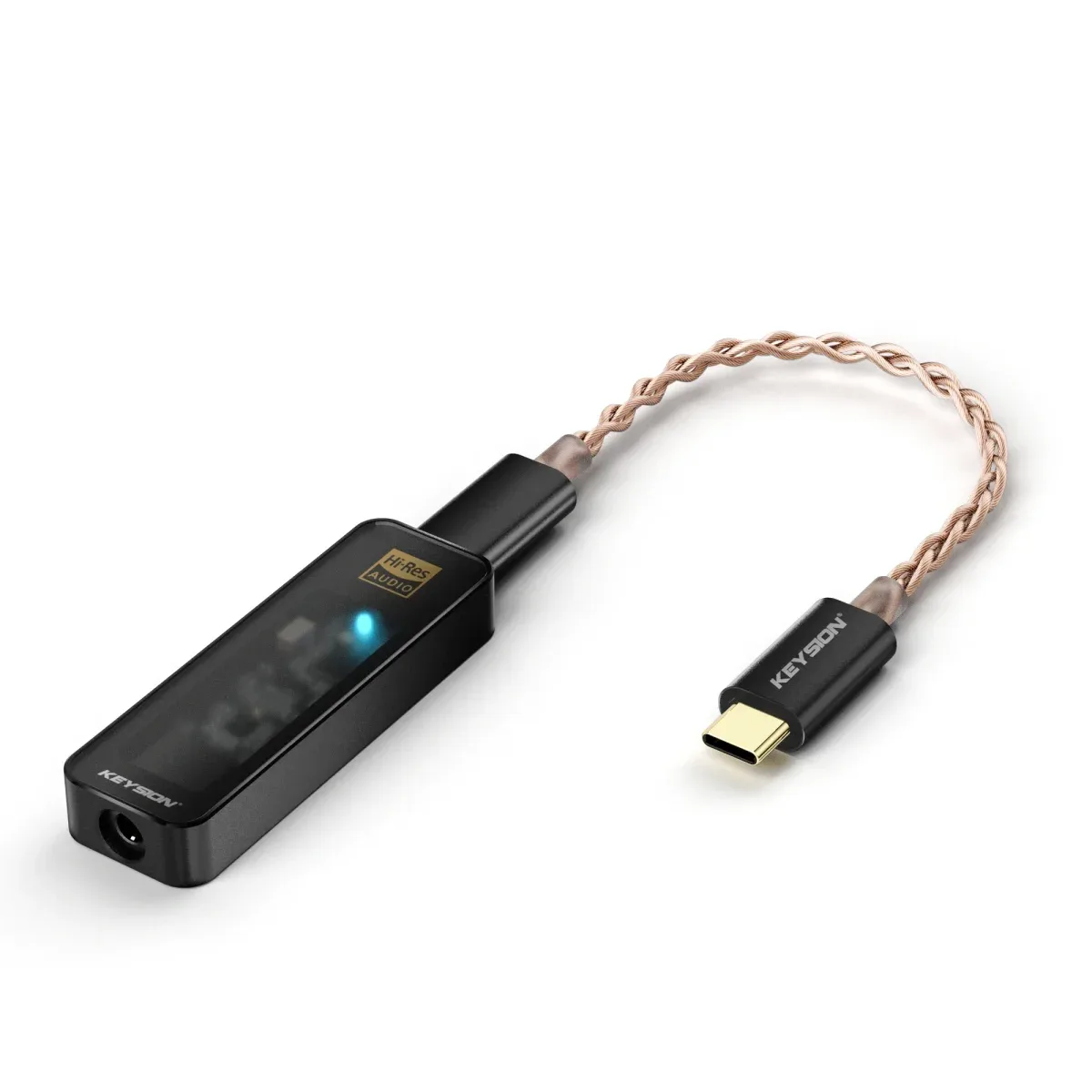
Why Do Dongle DACs Get Hot and Drain Battery? Where Phone Power Comes From, Explained with the KEYSION 01
Heat and battery drain are not faults: they are normal energy loss when a dongle DAC draws power from your phone and boosts it to drive headphones. The USB power ceiling and amplifier efficiency decide how hot it gets and how much it eats. This article explains the mechanism with the KEYSION 01, 02, and H-Turbo S2, and gives a clear standard for what counts as normal.
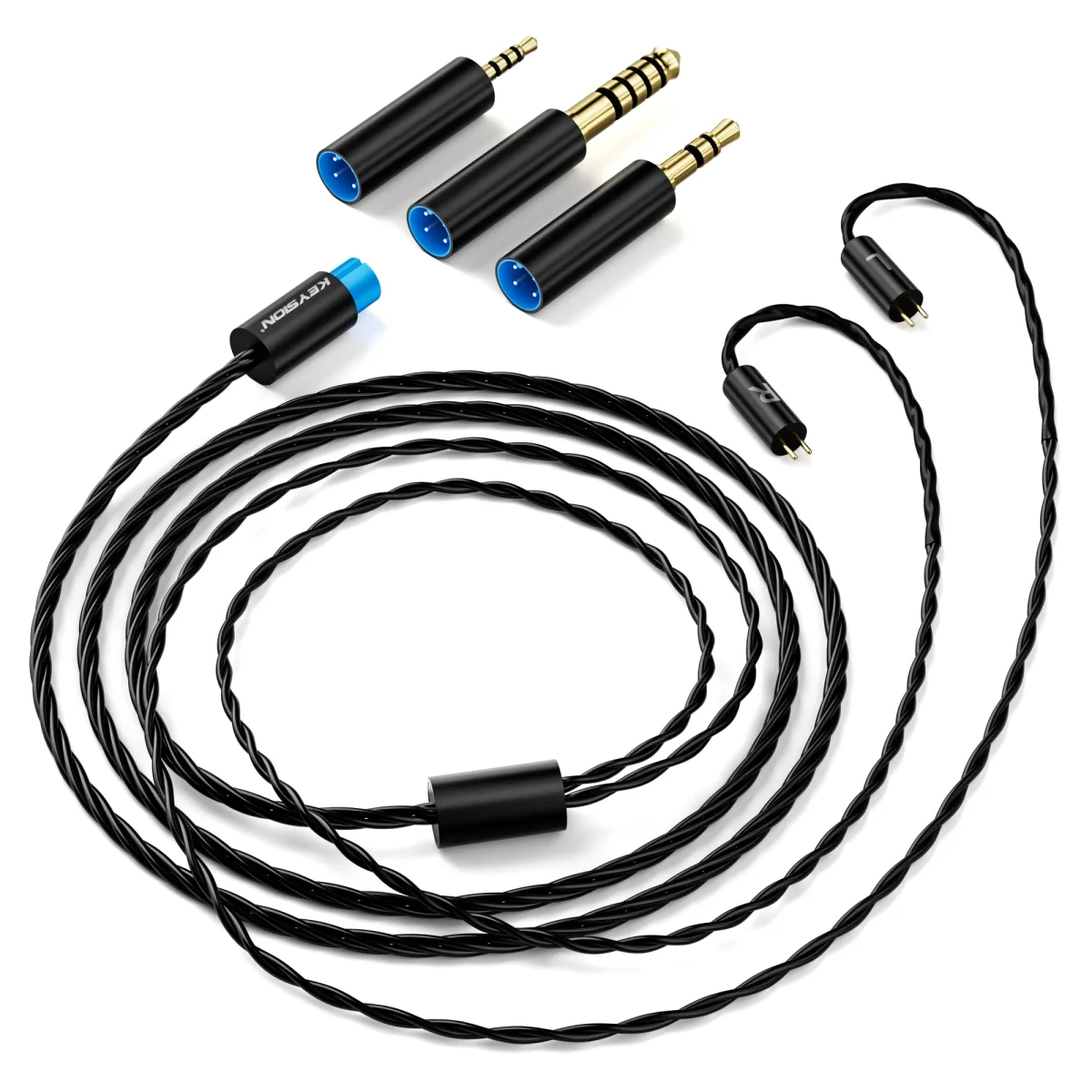
Does a 4.4mm Jack Always Mean True Balanced? Spotting Real vs. Fake Balanced with the KEYSION 02 Pro and Upgrade Cable
Not necessarily. A 4.4mm jack only describes the connector, not the amplifier inside. True balanced needs a separate amplifier channel per side; a "single-ended to balanced" adapter just copies the signal and adds no gain. This article explains the difference, shows how to check your own gear, and uses the KEYSION 02 Pro and the 3-in-1 upgrade cable as measured references.
Portable or Desktop: When Is It Worth Upgrading to Desktop HIFI? A Look at the KEYSION 02 Pro
The short version: for most people the upgrade bottleneck is the headphone and the source, not the amplifier. A desktop unit's main advantage is steadier power and a larger voltage swing, which makes high-impedance over-ears easier to drive; but if you mainly use low-impedance earbuds on the commute, a portable DAC like the KEYSION 02 Pro is enough, and often better value. This article compares both setups on power supply, drive strength, and use scenario, to help you decide whether the extra money for desktop is worth it.