
Guides
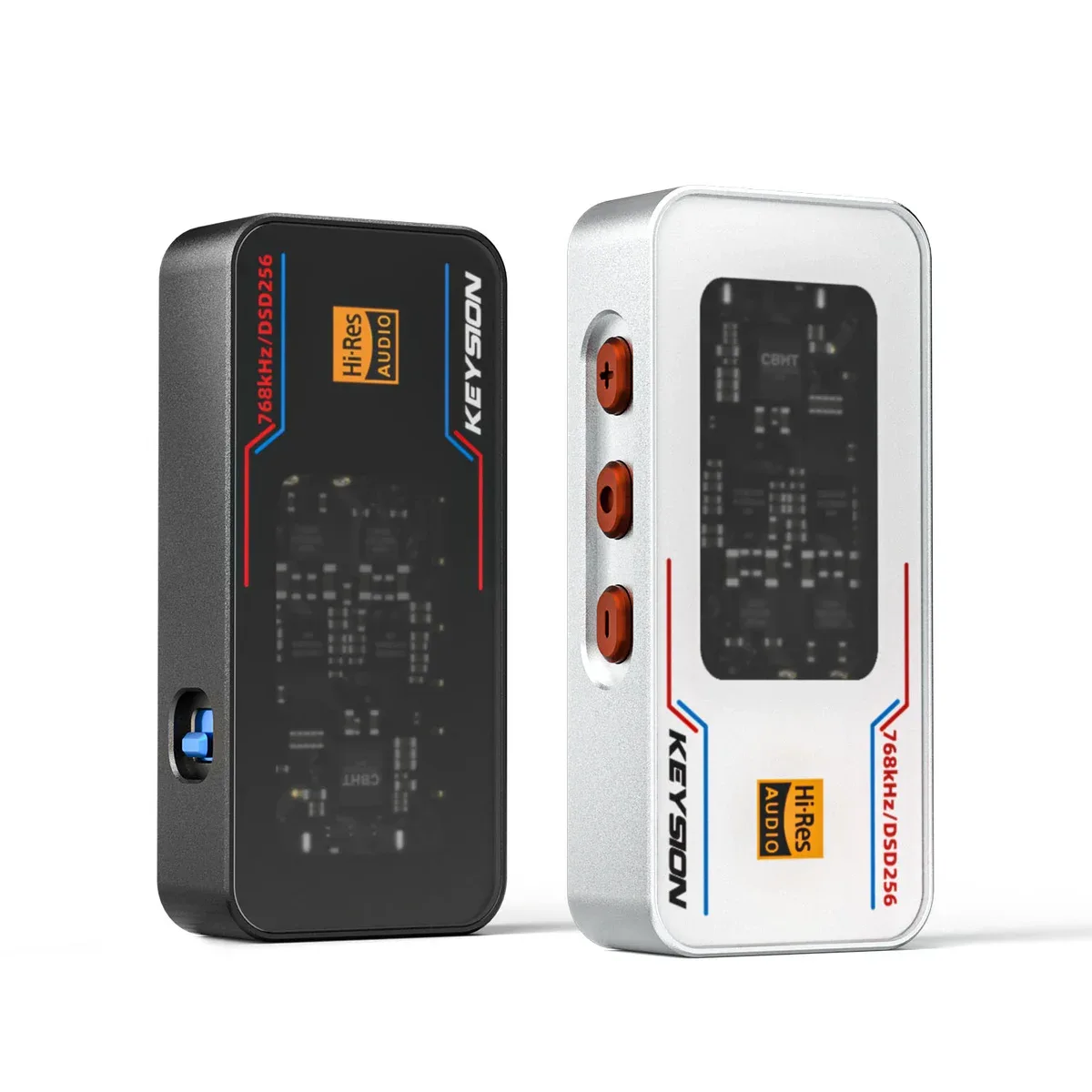
Is the Hi-Res Badge Actually Worth It? How High Is the Bar, and Does Passing It Guarantee Better Sound? A Closer Look With the KEYSION 02 Pro
The Hi-Res badge is defined by the Japan Audio Society (JAS) and the Consumer Electronics Association (CEA). At its core it requires a device to play back 24bit/96kHz or higher and to meet certain signal-to-noise and distortion thresholds. It measures the ability to handle high-resolution files faithfully, which is not the same as “sounding good”. This article breaks down what the certification actually tests, why a badge does not guarantee an impressive sound, and how measurements from a portable DAC like the KEYSION 02 Pro lead to a more reliable judgment.
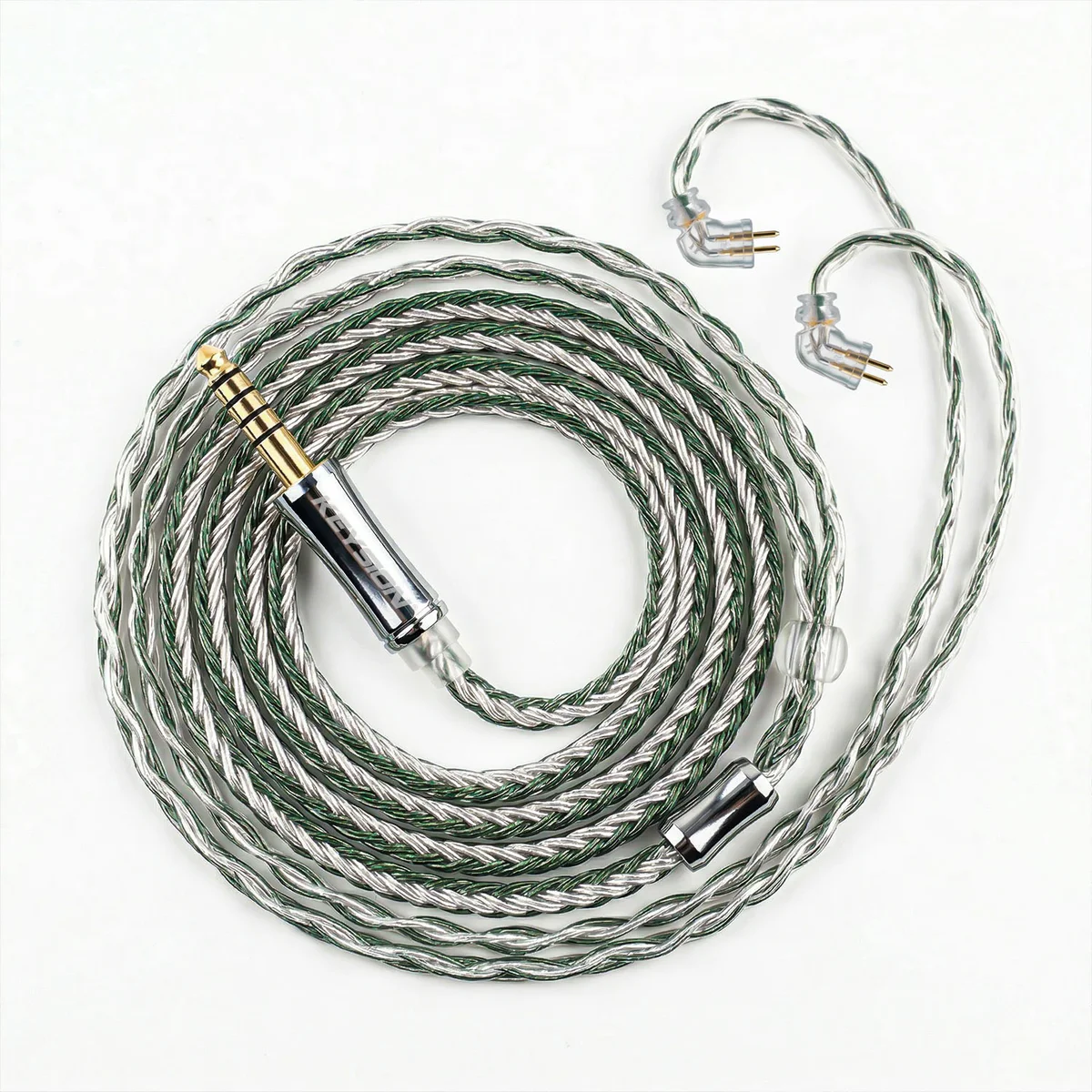
Do Headphone Cables Really Change the Sound? Copper vs Silver vs Silver-Plated, Science and Hype, Tested on KEYSION Cables
Bottom line first: for most in-ear monitors, two aftermarket cables sound nearly identical; the changes you can actually measure usually come from impedance and shielding, not the copper-versus-silver conductor. This article breaks down the scale of resistance, capacitance and skin effect, cites blind-test evidence, and gives the usual advice of upgrading the headphone before the cable. It closes by reading the specs of KEYSION's 16G, 24G and 24G-5N OFC cables to show which numbers matter and which are marketing.
How Loud Is Too Loud? Sound Pressure, WHO Limits and Hearing Protection, Explained With a KEYSION 02 Pro
85 decibels for 8 hours is the safety dividing line; each extra 3dB halves the safe listening time. This guide uses sound-pressure math, WHO and occupational-health standards, and a real-world loudness table to nail down a safe volume range, explain why loudness compensation (Fletcher-Munson) shrinks the bass at low levels, and how the output power on DACs like the KEYSION 02 Pro, 02 and 01 pairs with safe listening.
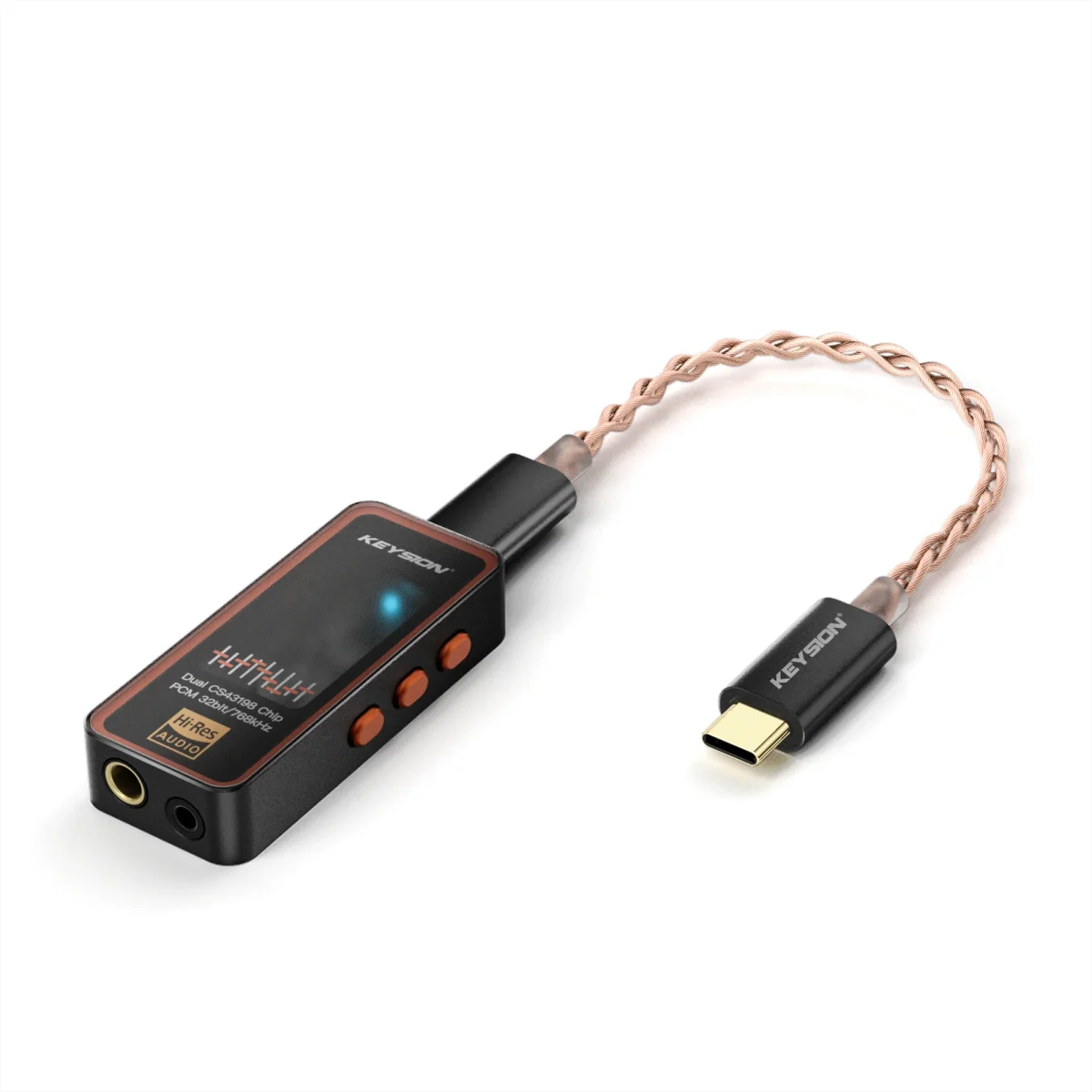
Is R2R actually more natural than Delta-Sigma? What the two DAC architectures really argue about
This answers two questions: how R2R and Delta-Sigma differ in principle, and whether there is reliable evidence for a difference in sound. Conclusion: both architectures can produce transparent sound, and the claim that R2R sounds more natural lacks blind-test support. When choosing a DAC, prioritize signal-to-noise ratio, distortion, and power-supply design. A high-performance Delta-Sigma dongle such as the KEYSION 02 covers most scenarios.
Hissing and noise in your headphones: is the gear broken, or just not set up right? A KEYSION 02 Pro troubleshooting walkthrough
Written for anyone annoyed by hiss and static in their headphones. In most cases the gear is not broken; it is a matter of signal-to-noise ratio, gain, sensitivity, or power supply. We walk through reproducible steps and test a KEYSION 02 Pro to show why sensitive earbuds notice even low floor noise. Bottom line: try another port and lower gain before blaming the gear; genuinely broken units are rare.
Is Balanced Always Better? Single-Ended vs Balanced, When the 4.4mm Output Really Wins
"Balanced sounds better" is one of the most repeated claims in audio, but the truth is conditional. The real advantages of balanced output are higher voltage swing and lower crosstalk, audible mainly with long cables, high-impedance headphones, or noisy environments. This article uses measured KEYSION 02/02 Pro specs to show how to choose.
Why Does the Same IEM Sound Different on Another Device? Output Impedance and Damping, Explained
Sound changes when you switch devices? Output impedance is usually the culprit. The ratio between output impedance and IEM impedance reshapes frequency response, and multi-BA IEMs are the most sensitive. This article explains the 1/8 rule with measured references from KEYSION 01/02/02 Pro.
What Do 44.1, 48, 96, and 192kHz Sample Rates Really Do? Can You Actually Hear the Difference?
Sample rate sets the ceiling of frequencies you can play back, and 44.1kHz already covers almost everything human ears can hear; 96/192kHz matter mainly in recording and post-production. This post explains the Nyquist theorem, resampling artifacts, and SR switching, then brings it back to your portable DAC.
Is headphone burn-in real, or just in your head? Mechanical aging, ear adaptation, or psychology
Burn-in has a small but real physical effect on headphones and cables; most of the “improvement” you hear more likely comes from your ears and brain adjusting. This post uses measurements and blind-test results to dissect the burn-in myth, and explains whether a KEYSION upgrade cable actually needs special burn-in.
High vs Low Gain on a Headphone Amp: When to Flip the Switch
High gain isn't 'better quality' — it's more amplification, which also amplifies the noise floor. Only flip to high gain when a headphone is hard to drive and won't reach comfortable volume on low gain. This guide covers the principle, the trade-offs, and how to decide.
Dynamic, Balanced Armature, Planar, Electrostatic: Which Headphone Driver Is Right for You?
Dynamic drivers are balanced, easy to drive and forgiving; balanced armatures add detail but can sound thin; planars have great bass texture but need power; electrostatics push detail highest yet need a dedicated amp. This guide compares each type's principle, pros and cons, and pairing.
FLAC, DSD and Bluetooth Codecs: What Actually Changes What You Hear
FLAC/DSD handle local file fidelity; SBC/AAC/aptX/LDAC handle wireless transmission. Every Bluetooth link is lossy – even 990kbps LDAC. Most people can't hear 320kbps vs lossless.