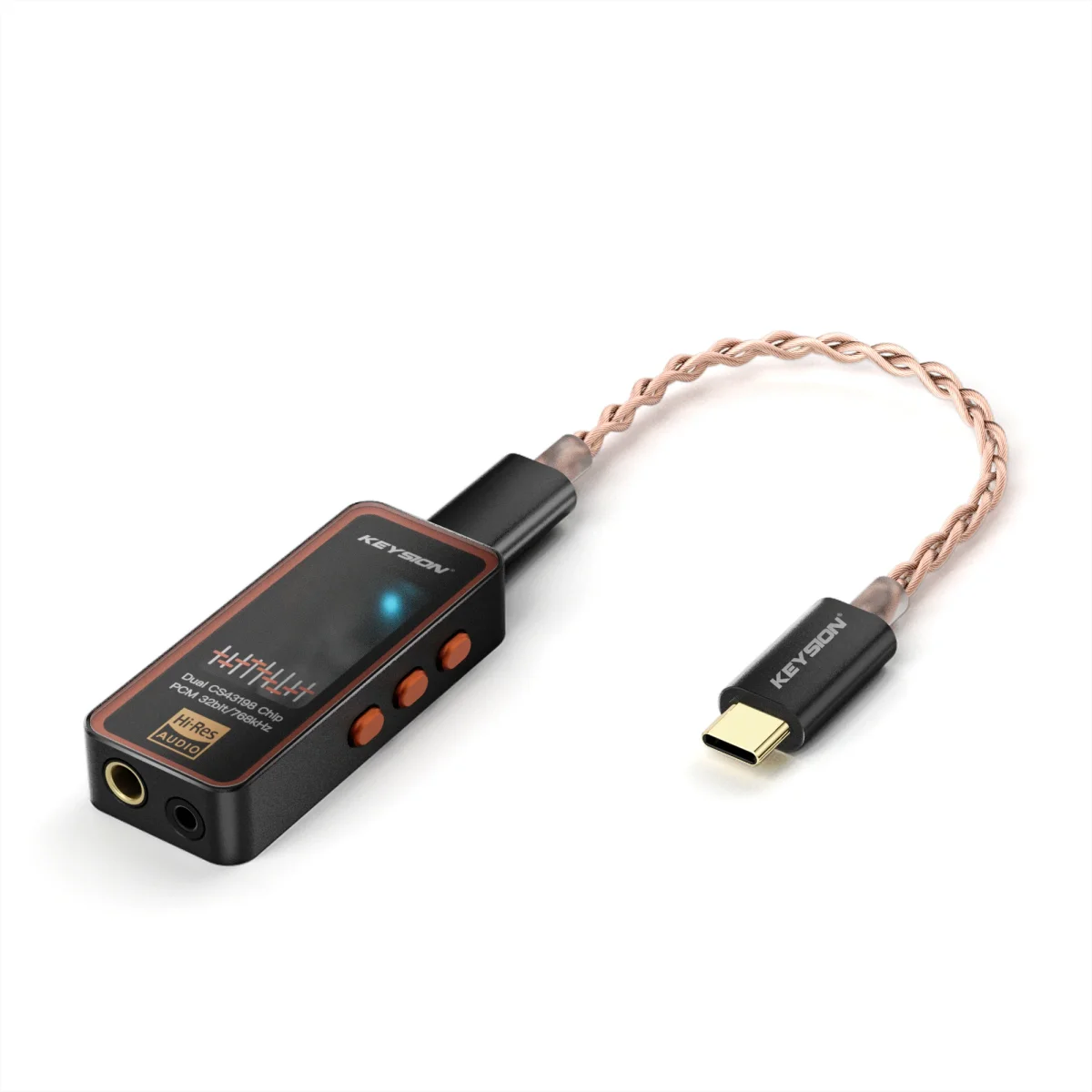
Is the Hi-Res Badge Actually Worth It? How High Is the Bar, and Does Passing It Guarantee Better Sound? A Closer Look With the KEYSION 02 Pro
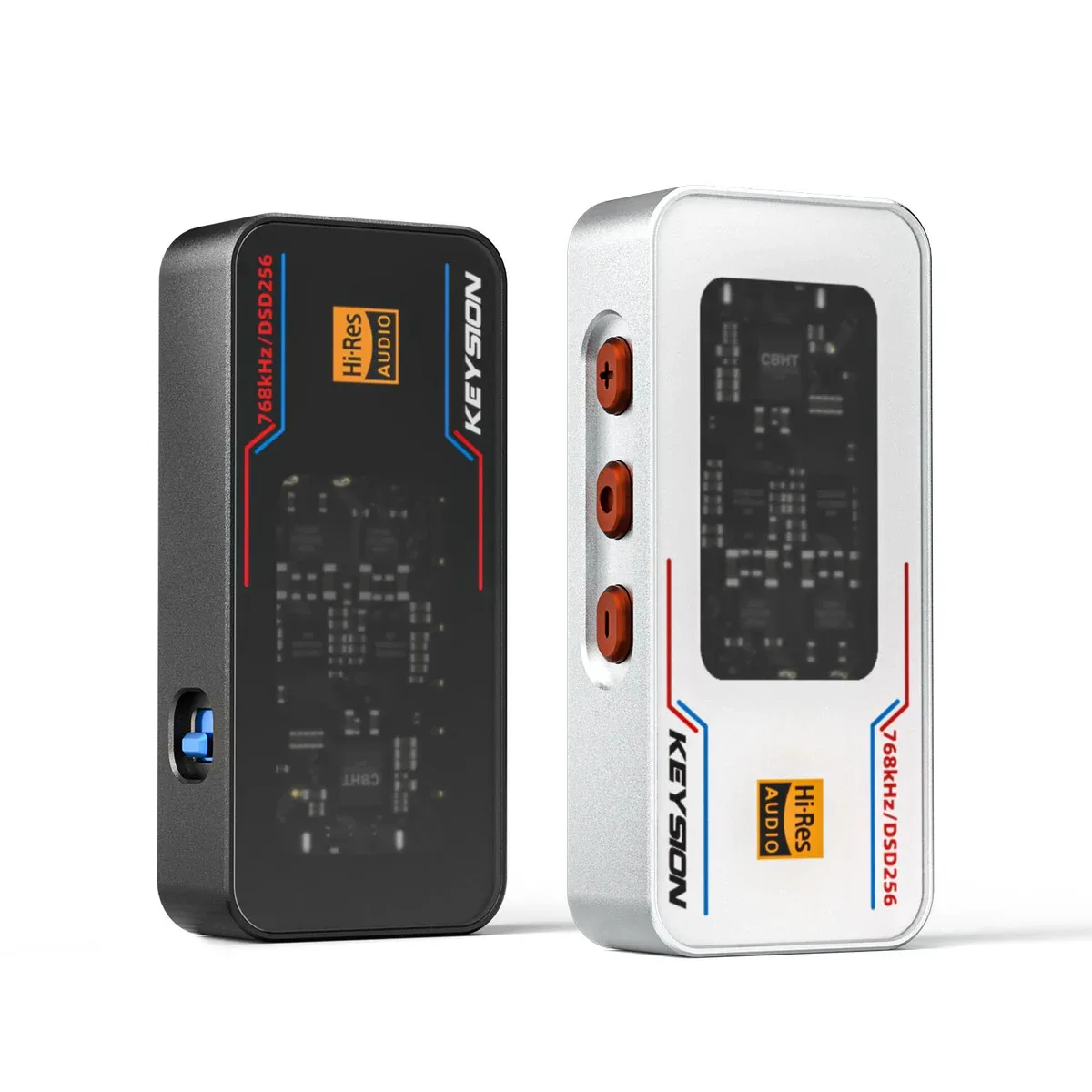
Here’s the short answer: the Hi-Res badge is co-defined by the Japan Audio Society (JAS) and the Consumer Electronics Association (CEA). It asks a device to play back 24bit/96kHz or higher digital audio cleanly, and to hit specified thresholds for signal-to-noise ratio, distortion and frequency response within a measurement standard. In plain terms, it checks whether a device can actually handle high-res files — it does not judge subjective sound character, and it certainly does not promise that something will sound great. So when you see the badge, don’t rush to pay extra; first understand what it does and does not prove. This article is for anyone weighing whether the badge is worth it. I use measurements from a portable DAC like the KEYSION 02 Pro as a point of comparison and walk through the link between the bar and what you actually hear.
The badge came about in reaction to the poor compression of the MP3 era. Back then, streaming services and shady download sites were full of 128kbps MP3s, with the treble audibly chopped off and a rough, grainy sound. To give “high-resolution audio” a visible label, JAS and CEA built the Hi-Res Audio certification system around 2014, essentially endorsing “supporting high-spec playback” with a small gold pin.
It does not judge how something sounds; it judges technical playback ability. You can think of it as a capability certificate, a bit like the top speed printed on a car. It tells you the car can reach that speed; it does not tell you the car is enjoyable to drive.
The badge does not have many measurement items, but every one of them points at “fidelity” rather than “sound character”. The table below lists the usual test directions and what they actually mean for your ears.
| Test item | Typical requirement | What it means |
|---|---|---|
| Source format playback | 24bit / 96kHz and above | the device can at least “handle” lossless high-res files without downsampling; it does not mean it will necessarily sound good |
| Playback frequency response | range from F0 to 40kHz | checks channel consistency and that treble is not cut by default; it says “how wide it can play”, not “how the tone is” |
| Signal-to-noise and distortion | usually a high S/N and low THD required | good numbers mean low background noise and distortion, but the subjective sound is still shaped by ear tips, fit and EQ |
| DAC chip model | no brand requirement | the badge looks at the whole device’s measurements, not the chip brand; “same chip” does not equal “same sound” |
The meaning of the table is fairly direct: passing the badge only shows the device can faithfully reproduce high-spec signals in the lab, with background noise and distortion that are not out of line. It does not answer whether you will like the sound.
Not necessarily. The badge solves the engineering question of “can it handle high-res playback”; sound quality is a different set of variables. Headphone sensitivity, the seal of the ear pads, EQ settings, even coarse volume stepping can all change what you actually hear.
Take the KEYSION 02 Pro as an example. It delivers 551mW@32Ω, enough to drive most high-impedance over-ear headphones with ease; whether it carries the badge is a separate matter. Whether the power is adequate is decided by the specs, and the badge only backs up the playback resolution. Conversely, a small dongle that only handles 16bit/48kHz but has mainstream tuning can still be pleasant to listen to.
In blind tests, most casual listeners cannot reliably tell the difference between 24bit and 16bit; lossless formats and Bluetooth codecs covers this in more detail. The badge is more like a layer of “insurance” that you won’t buy a toy that can’t even play high-res files, rather than a guarantee of sound quality.
For playback devices such as DACs, dongles and players, the badge is a bit more meaningful, because it directly tests playback ability. But mind the granularity: there are countless portable DACs with the badge on the market, and their specs are broadly similar. The badge will not tell you whether KEYSION 02 Pro or KEYSION 01 is more suitable for you.
To judge a portable DAC, I would rather look at four numbers: output power (matching your headphone’s impedance and sensitivity), signal-to-noise ratio, dynamic range, and overall background noise. These are all listed on the KEYSION 02 Pro specs page, and they tell you more than the badge about whether it can drive your headphones.
Here’s a sequence that is unlikely to trip you up. First, work out how much power your headphones need; the concrete method is in how much drive power headphones really need. Then compare the signal-to-noise and background noise behind the specs of devices in the same price range, and listen to a few familiar highs and lows with your own headphones. Only at the end should you treat the badge as a “plus” rather than a “must-have”.
If you are torn between desktop and portable gear, don’t make the badge the deciding factor. The real difference between them comes down to power supply and voltage swing, which is covered in portable or desktop.
This article was compiled by the KEYSION editorial team, based on laboratory measurement data and public specifications. The explanations of the measurement items are based on the public JAS/CEA certification framework; the listening impressions are subjective, and you’re welcome to cross-check with your own devices.
FAQ
Is the Hi-Res badge an official certification? Who awards it?
Yes. It is an industry certification created jointly by the Japan Audio Society (JAS) and the Consumer Electronics Association (CEA), used to mark that a device supports high-resolution audio playback. It evaluates technical parameters, not a sound-quality award.
Do headphones and DACs with the Hi-Res badge always sound better?
Not necessarily. The badge guarantees full-spec playback of high-res files, with a floor for signal-to-noise ratio and distortion; it does not judge subjective sound character. Whether something sounds good depends far more on the headphone driver, tuning, fit and EQ.
What is the minimum requirement for the Hi-Res badge?
The core is support for playback of 24bit/96kHz or higher, plus meeting the signal-to-noise, distortion and frequency-response measurement thresholds specified by the certification framework. Exact values vary slightly by product type.
Should I look for the badge when buying a dongle (portable DAC)?
You can treat it as a reference, but not as the only standard. Compared with the badge, output power, signal-to-noise ratio and background noise tell you more about whether it can drive your headphones, so judge with those plus real listening.
Related products
Related articles